

City Palace, Jaipur
Last updated on October 27, 2026Why visit City Palace, Jaipur
City Palace is the clearest place to connect Jaipur’s planned streets with the court that created them. Its courtyards explain ceremony and movement, while the museum collections turn royal history into objects that can be examined at close range.
The visual highlights are not confined to one façade: delicate gateways, broad audience halls, stone arcades and the compact Mubarak Mahal appear in sequence.
Visit if you:
- want historical context before exploring the rest of the walled city
- enjoy textiles, miniature painting, arms or court photography
- prefer architecture that is still tied to ceremony and living traditions
Plan carefully if you:
- expect every palace room to be included in the standard ticket
- have limited time, because the collections reward at least two hours
Quick facts
- Type: Palace, Museum, Site Complex, Historic Place
- Visitor access: Partial access
- Reservation: Not required — tickets on the door
- Typical visit: About 2 hours 30 minutes
- Built: Begun after Jaipur’s foundation in 1727; expanded by successive rulers
- Built by: Commissioned by Sawai Jai Singh II; planned with Vidyadhar Bhattacharya and later court architects
- Built for: Royal residence, administration and court ceremony
- Architectural style: Layered Rajput, Mughal and later European-influenced court architecture
- Size: Seven interconnected courtyards in the historic palace complex
- Initial phase: 1729–1732
- Museum founded: 1959
Visit responsibly
Follow the photography policy in each gallery. Textiles, manuscripts and painted surfaces may have stricter rules than open courtyards.
Do not touch display cases, carved stone, doors or wall painting. Wear accumulates where thousands of visitors reach for the same detail.
Keep passages clear near the painted gates; take a photograph, then step aside rather than holding the narrow viewpoint.
Respect private and ceremonial boundaries. A working royal complex is not fully public simply because part of it operates as a museum.
Use qualified local guides and ask them to distinguish documented history from palace legend.
Where it is
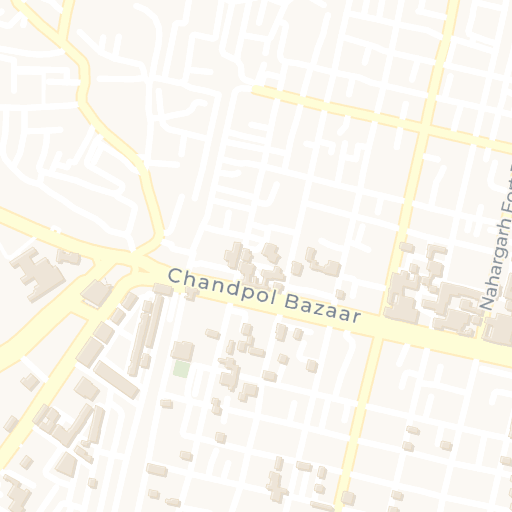
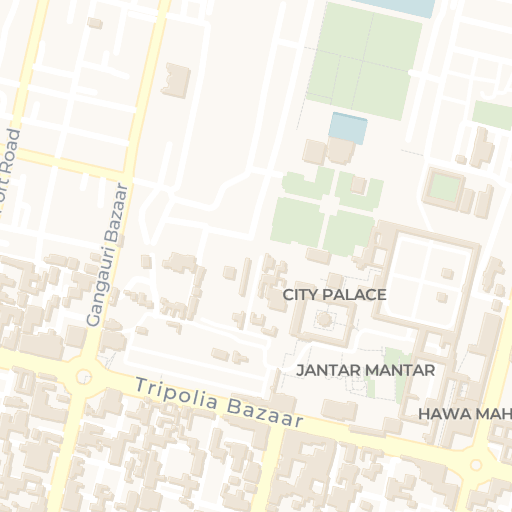
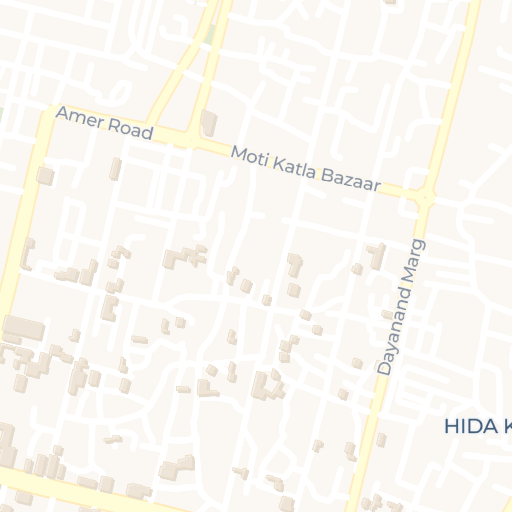
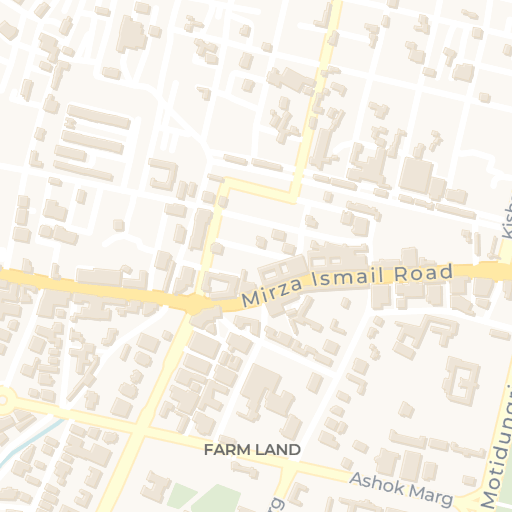
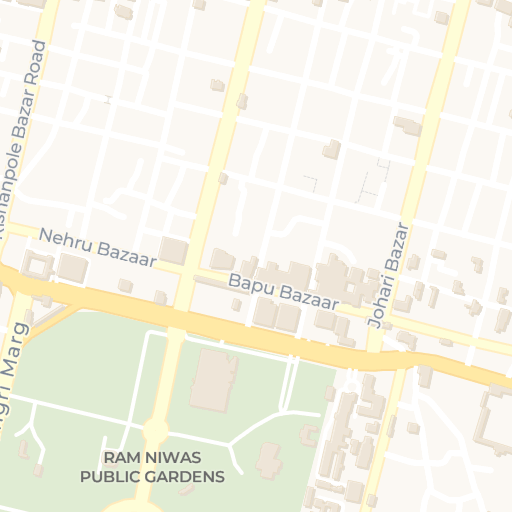
Get directions Open in Apple Maps
© OpenStreetMap contributors · © CARTO · 26.9257, 75.8236
Plan your visit
Choose the ticket before you arrive
The museum operator currently lists the daytime museum tour from 09:30 to 18:30, with last ticket sales at 18:00. It closes on Dhulandi, the second day of Holi. Hours, gallery closures and ticket categories should be rechecked on the official website.
The standard museum ticket and premium palace tours cover different areas. Do not assume a photograph of Chandra Mahal or a private room represents standard admission.
What can be seen without a museum ticket
Public streets provide views of gates and parts of the palace skyline, but the principal courts, galleries and painted inner gateways are inside the ticketed complex.
The operator currently notes that the Textile Gallery in Mubarak Mahal is temporarily closed for restoration from 27 March 2026. Confirm its status before making it the focus of your visit.
Verified against Maharaja Sawai Man Singh II Museum Trust, October 2026.
When to visit
November through February offers the easiest combination of galleries and courtyards. Arrive near opening for quieter gateways and more time before afternoon groups.
March warms quickly, while April through June can make paved courts tiring. Monsoon visits bring humidity but can soften the light on painted surfaces. The museum is closed on Dhulandi, and ceremonies or conservation can alter access at other times, so check the operator’s notice shortly before travel.