

Humayun's Tomb
Last updated on November 3, 2026What makes Humayun's Tomb special
Humayun’s Tomb is the first grand Mughal dynastic garden-mausoleum, where the relationship between a tomb, a high platform and a four-part garden became an architectural system. The surrounding enclosures make it more than a prelude to the Taj Mahal: they preserve a concentrated landscape of sixteenth-century burial and patronage.
Challenge to visitors
Skip it if you:
- want a compact indoor museum—the visit crosses a large, mostly open garden complex
- expect only one building and do not have time for the surrounding enclosures
Visiting tips and strategy
When to go
October through March is the easiest season for an outdoor visit. Delhi's long-term Safdarjung normals place the coolest conditions in winter. April through June becomes progressively hotter, while July through September brings most of the annual rain.
Humayun's Tomb is an extended garden complex with limited shade on its main axes. In hot weather, start near opening and carry water where site rules allow it. Winter mornings can be cool or hazy; check current air-quality guidance if visibility or respiratory health will shape the visit.
Verified against India Meteorological Department, October 2026.
What it costs
Tickets and route
Humayun’s Tomb is a ticketed ASI monument open daily. Delhi Tourism currently lists a sunrise-to-evening window and category-based admission, but rates and closing times should be checked through the official channel on the day of travel.
What is free
The World Heritage enclosure is one paid site; there is no free visitor area within its gates. Views from the surrounding streets do not include the garden, subsidiary tombs or main platform.
The property includes several enclosures. A rushed out-and-back to the main dome misses Isa Khan’s tomb, Arab Serai and the spatial relationship to Nizamuddin.
Carry only what you need and follow protected-monument rules: no climbing, graffiti, feeding animals, drones or tripods without permission. Water, shade and rest planning matter because most of the route is outdoors.
Verified against Archaeological Survey of India, October 2026.
Quick facts
- Type: Mausoleum, Garden, Site Complex, Historic Place
- Visitor access: Open to visitors
- Admission: ₹600
- Reservation: Not required — tickets on the door
- Built: 1560s; completed 1570
- Built for: Mughal emperor Humayun
- Architectural style: Mughal charbagh garden-mausoleum
- Denomination: Islam (Mughal-era)
- Height: 42.5 m
- Size: 27.04 ha
- World Heritage: Inscribed in 1993
- Burials: More than 150 Mughal family members
- UNESCO World Heritage Site: Yes
Where it is
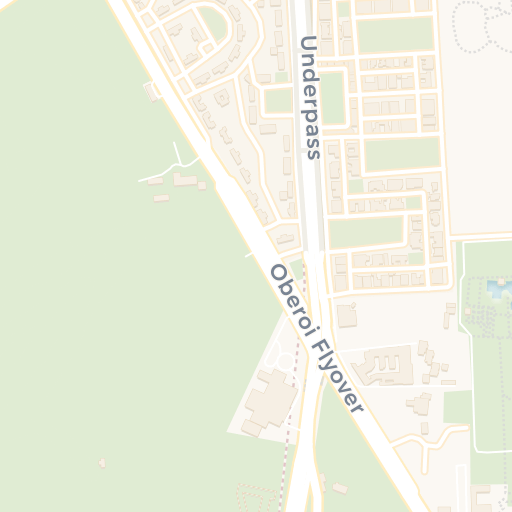
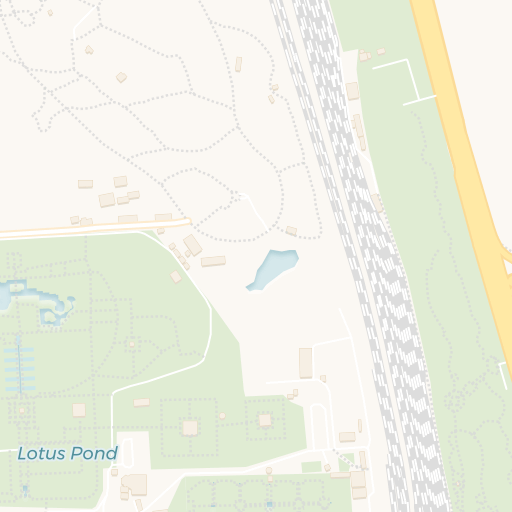
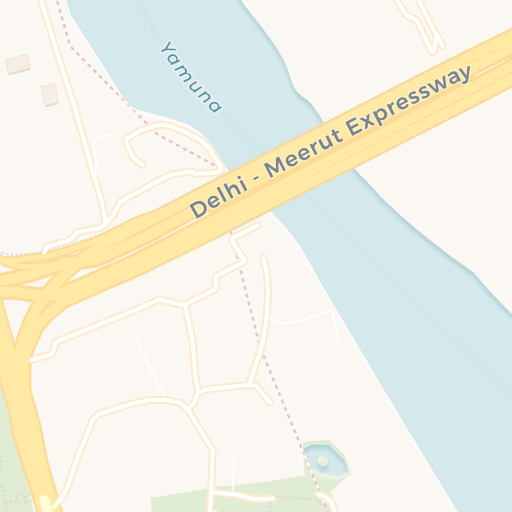
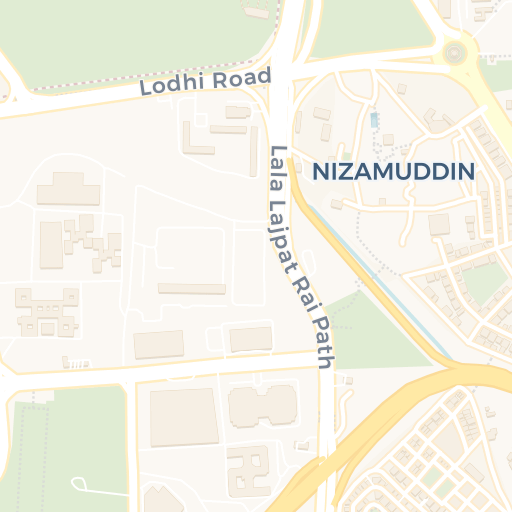
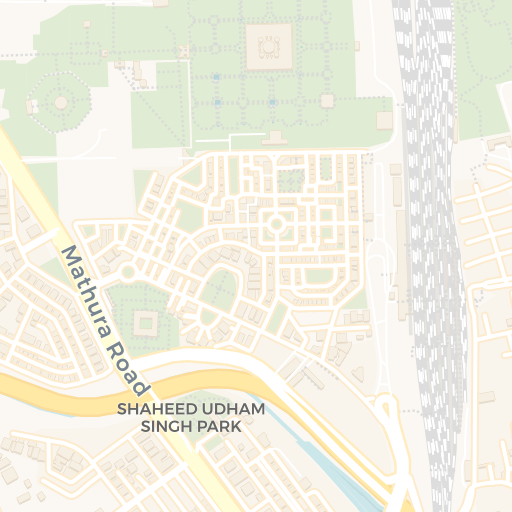
Get directions Open in Apple Maps
© OpenStreetMap contributors · © CARTO · 28.59329, 77.25065
Visit responsibly
Keep off closed lawns, channels and masonry even when a shortcut appears harmless. The garden and water system are protected parts of the design, not circulation space.
Do not touch plaster, tile or carved stone. Recent conservation has deliberately restored traditional lime work and exposed original paving that repeated contact can wear.
Give active conservation and worship-related spaces room. The wider Nizamuddin area remains a living religious district as well as an archaeological landscape.