

Digambar Jain Temple
Last updated on November 3, 2026What makes Digambar Jain Temple special
Lal Mandir adds a Jain history to a part of Old Delhi often described only through Mughal monuments and markets. Its layered temple and working bird hospital show how worship, community care and the principle of non-violence have occupied the same Chandni Chowk site for centuries. The busy street and compact rooms are the main friction. Arrive with few belongings, check leather items before the door and ask before approaching the hospital.
Challenge to visitors
Skip it if you:
- cannot remove shoes and leather items or follow temple etiquette
- expect the bird hospital to function as a casual animal-viewing attraction
Visiting tips and strategy
When to go
October through March usually offers the easiest conditions. Delhi's 1991–2020 Safdarjung normals show cooler winters, rising heat from April through June and most annual rain from July through September.
Lal Mandir is mostly indoors, but reached through exposed, crowded Old Delhi streets. In hot weather, arrive early and carry water where site rules allow it. Winter can bring haze and poor air quality, so check current public guidance if visibility or respiratory health matters to the visit.
Verified against India Meteorological Department, October 2026.
Getting there and getting in
Admission: Free
Visit as a worshipper’s guest
Remove shoes and leather goods before entering. Ask temple staff before photographing, making an offering or approaching a devotional room. Confirm the day’s opening period at the entrance; Delhi Tourism does not publish a current daily timetable.
Ask hospital staff whether visitors are being admitted before entering the bird hospital. Keep out of closed wards, do not handle or photograph patients without permission, and use only the official donation counter.
Verified against Delhi Tourism, October 2026.
Quick facts
- Type: Temple, Sacred Place, Historic Place
- Visitor access: Open to visitors
- Admission: Free
- Reservation: Not required — tickets on the door
- Built: Established 1656; enlarged in the early 19th century
- Built for: Digambar Jain worship
- Architectural style: Layered Jain temple in red sandstone
- Denomination: Jainism (Digambara sect)
- Also called: Lal Mandir or Red Temple
- Bird hospital: Founded 1930
Where it is
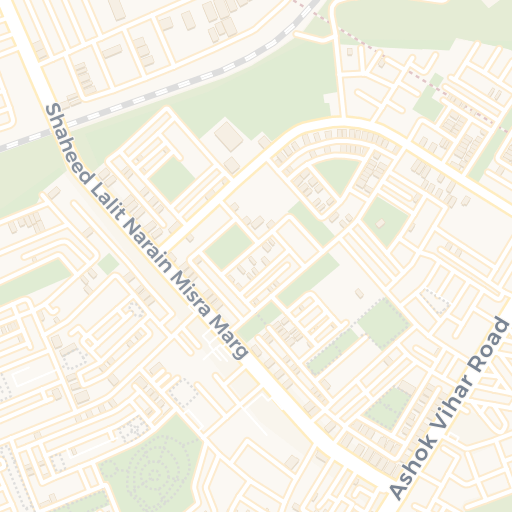
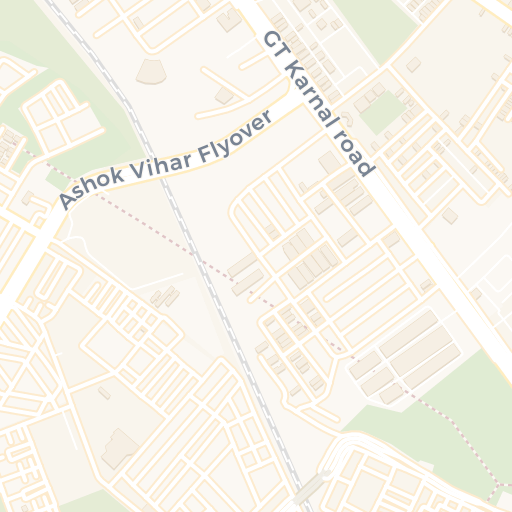
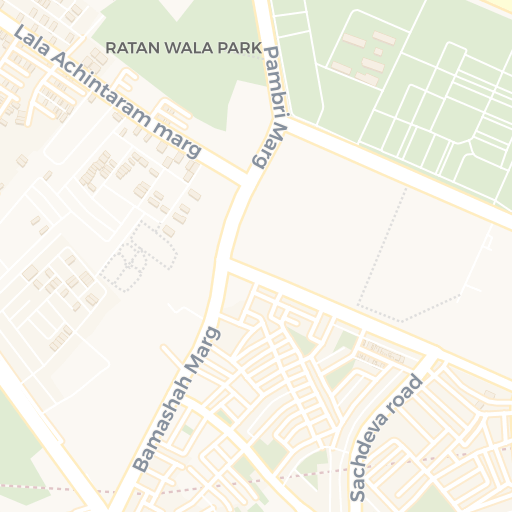
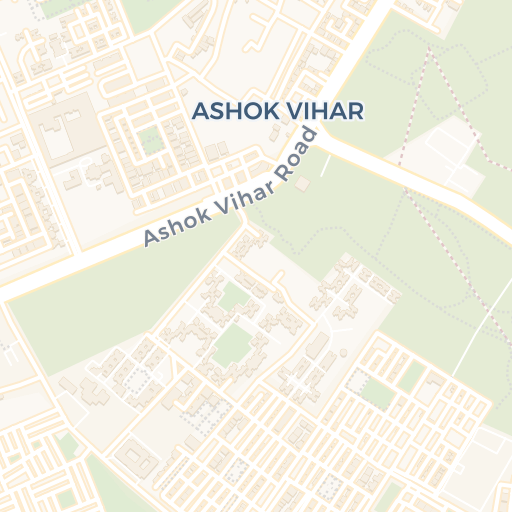
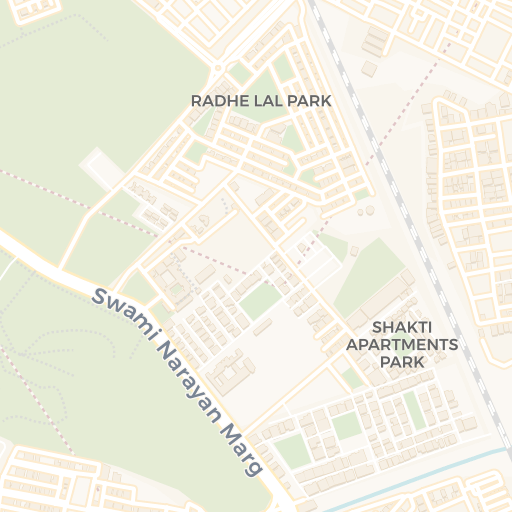
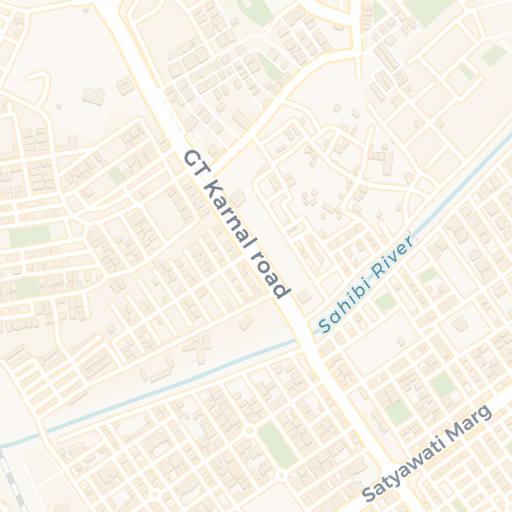
Get directions Open in Apple Maps
© OpenStreetMap contributors · © CARTO · 28.6882, 77.18493
Visit responsibly
Leather restrictions express Jain practice, not a tourist formality. Check bags and clothing before the entrance so attendants do not have to resolve the issue inside the sanctuary.
Birds in the hospital are patients. Keep voices low, avoid flash and close viewing, and accept that treatment may require areas to close without notice.
Chandni Chowk is intensely used by residents and traders. Stand aside to orient yourself and keep temple queues from spreading across shop entrances or the footway.