

Venetian Ghetto
Last updated on September 4, 2026Overview
The Venetian Ghetto, in the Cannaregio district, is the place that gave the world the word "ghetto." Established in 1516 as a walled, gated district where Venice's Jewish residents were required to live, it became -- and remains -- home to one of the oldest continuously present Jewish communities in Europe, with five historic synagogues still standing within a few narrow streets.
Quick facts
- Type: Neighborhood, Historic Place, Synagogue
- Local name: Ghetto di Venezia (vedi la pagina italiana)
- Visitor access: Open to visitors
- Admission: Free + paid options
- Reservation: Not required — tickets on the door
- Typical visit: About 1 hour 30 minutes
- Built: 1516
Visit responsibly
The ghetto is a functioning neighborhood and an active religious community, not solely a historical exhibit -- synagogue visits run on a tour schedule out of respect for ongoing worship, and modest dress is appropriate when entering them. Buying kosher food or crafts from shops within the ghetto supports the small community that still calls the district home.
Where it is
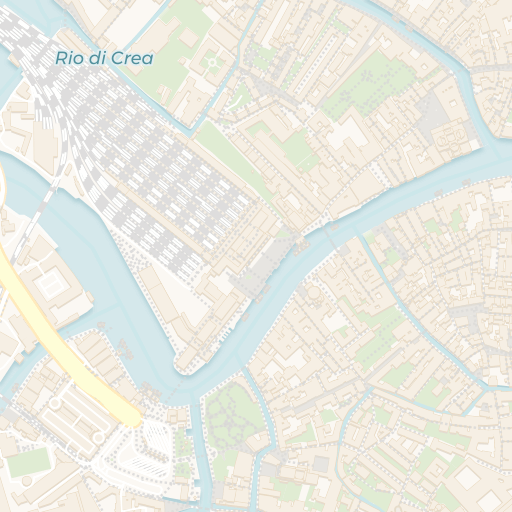
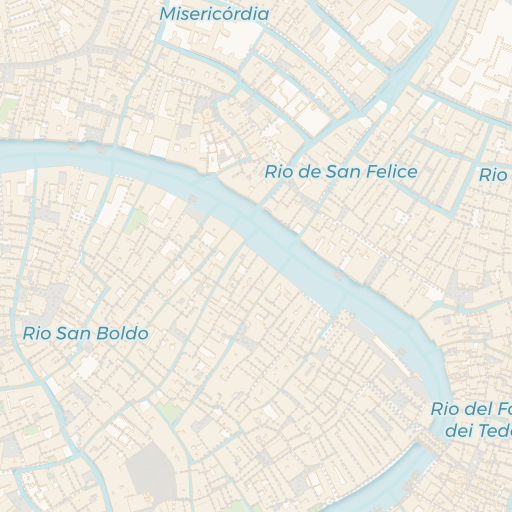
Get directions Open in Apple Maps
© OpenStreetMap contributors · © CARTO · 45.44528, 12.32639
Plan your visit
Admission: Free + paid options · The neighborhood is free to walk; visiting the synagogues requires the Jewish Museum's guided tour (the museum itself is closed for renovation, reopening expected autumn 2026, though synagogue tours continue).
Prices verified August 2026
The Venetian Ghetto is a short walk from the Guglie vaporetto stop, in the Cannaregio district away from the main San Marco-Rialto route. The Jewish Museum offers guided tours that include entry to several of the synagogues, which are not otherwise open to casual visitors.
Verified against Museo Ebraico di Venezia, August 2026.
When to visit
The ghetto is a residential quarter and stays quiet in a way little of central Venice does; even in high season the campo rarely feels crowded.
The practical constraint is the Jewish calendar rather than the tourist one. The Jewish Museum and the synagogue tours close on Saturdays for Shabbat and on Jewish holidays, which catches out visitors who assume a weekend is the obvious time to come. Friday afternoons close early.
Synagogue interiors can only be seen on the museum's guided tour, which runs at fixed times with limited places -- so the visit has to be planned around a tour slot rather than dropped into. The campo itself, the memorials and the exteriors are open at any hour.