

Piazza San Marco
Last updated on September 13, 2026Overview
Napoleon is said to have called Piazza San Marco "the finest drawing room in all of Europe" -- see Features below for the full story behind that line. Also known as St. Mark's Square, in honor of Venice's patron saint, it's one of the few large Venetian squares given over entirely to pedestrians, and technically the only one in the city actually called a "piazza" (every other Venetian square is a campo).
Many of Venice's most important buildings still stand on or near the square, including the Doge's Palace, St. Mark's Basilica and its clock tower, the former offices of the Procurators, and the Museum of Archeology. 
The square took shape in the 11th century, when a canal running through the area was filled in, and reached its present paved form during 16th- and 17th-century renovations, when geometric-patterned stone replaced the original brick -- a pattern that also helped mark out where traders' stalls once stood. The pavement was refurbished again in the late 19th century.
The smaller Piazzetta San Marco, between the square and the lagoon, was originally laid out in the 9th century and once served as a site for public executions; today a column topped by the lion of St. Mark watches over the crowds there instead.
Quick facts
- Type: Historic Place, Square/Plazza
- Local name: Piazza San Marco (vedi la pagina italiana)
- Visitor access: Open to visitors
- Built: 9th century (origins); present form 16th-17th century
- Designed by: Andrea Tirali (pavement); Vincenzo Scamozzi (Procuratie Nuove)
Visit responsibly
Feeding pigeons in the square has been banned by the city since 2008, part of an effort to reduce droppings damage to the surrounding historic buildings -- vendors no longer sell seed here as a result. Sitting or picnicking on the ground is discouraged in the same way it is elsewhere in Venice's historic center. Cafes with orchestra seating typically charge a visible cover fee for the music in addition to drink prices; checking the posted rate before sitting down avoids a surprise on the bill.
Where it is
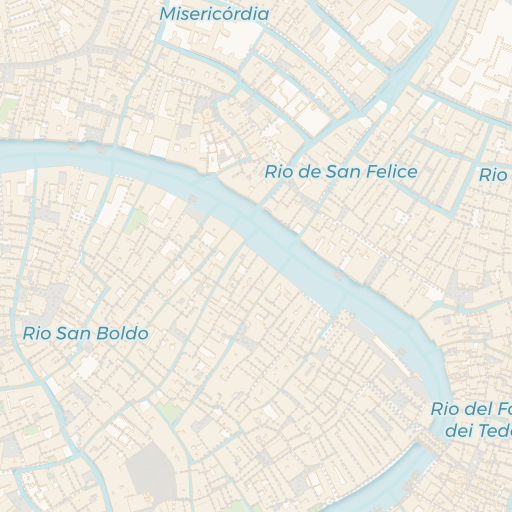
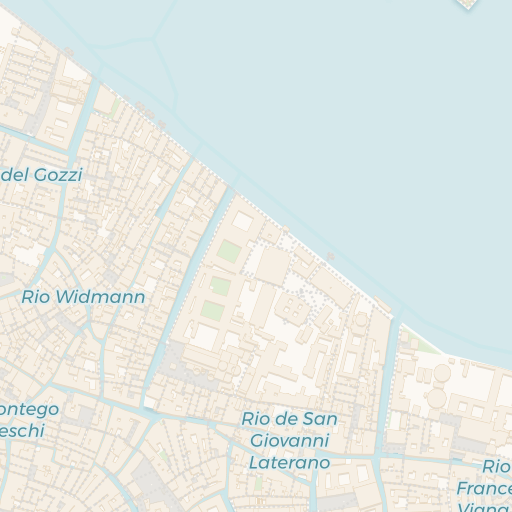
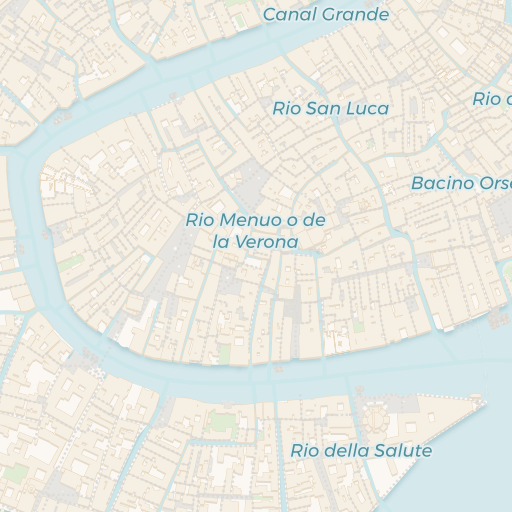
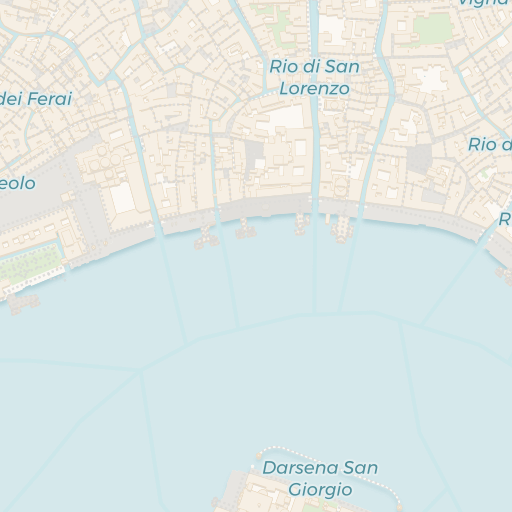
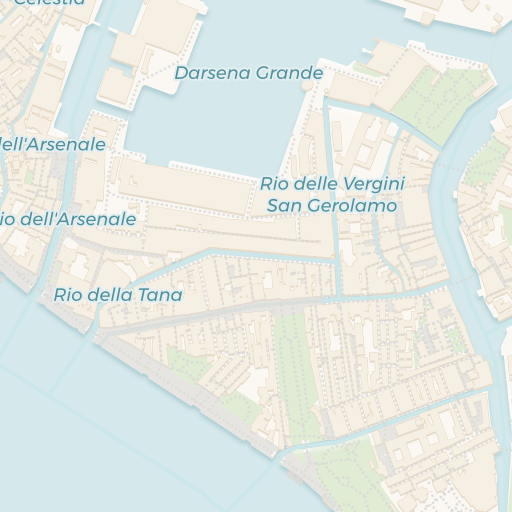
Get directions Open in Apple Maps
© OpenStreetMap contributors · © CARTO · 45.43426, 12.33867
Plan your visit
St. Mark's Square is at its best in the early morning, before the crowds thicken, and takes on an almost eerie, misty quality in the fall and winter months. Some of Venice's best hotels, shops, and restaurants sit around the square, a gondola stop is a short walk away, and it's a common meeting point for tour groups and guided walks.
If a visit coincides with acqua alta, the square -- Venice's lowest point -- may flood; when it does, wooden walkways are laid down so visitors can still cross on foot.
When to visit
The square is at its most atmospheric very early in the morning or in the hour before the arcades close for the evening, once cruise ship groups and midday tour crowds have thinned. Evenings bring out the competing cafe orchestras along the arcades, a distinctly Venetian soundscape best experienced after dark. Late winter's Carnevale season draws especially heavy crowds to the square for its masked costume displays.