

San Sebastiano
Last updated on September 13, 2026Overview
San Sebastiano was Paolo Veronese's own parish church, and he spent much of his career decorating it -- ceiling, sacristy, organ shutters, and altarpieces alike -- before being buried inside it himself. Few churches anywhere hold as complete or as personal a body of work by a single Renaissance master, making this one of Venice's genuine must-see art churches despite sitting well off the main routes.
Quick facts
- Type: Church, Historic Place
- Local name: San Sebastiano (vedi la pagina italiana)
- Visitor access: Open to visitors
- Built: founded 1396; rebuilt 1506
- Designed by: Antonio Abbondi (Scarpagnino)
- Architectural style: Renaissance
Visit responsibly
Admission is through the Chorus Association, and the fee goes directly to conserving this church and fifteen others. San Sebastiano is exactly the kind of building that system exists for: too important to lose, too far off the routes to fund itself from foot traffic.
The church is Veronese's burial place as well as his masterwork, and it remains consecrated. Services take precedence, and the presbytery closes to visitors during them.
No flash, without exception. The Esther panels are original 16th-century oil on canvas in their original mountings, never removed to a museum, and they are conserved in situ in a damp building.
The surrounding streets are residential and academic, with none of the infrastructure for visitors that the central sestieri have -- no cafes to spill into and no space to gather. It is a place to arrive quietly, spend an hour, and walk on to the Zattere.
Where it is
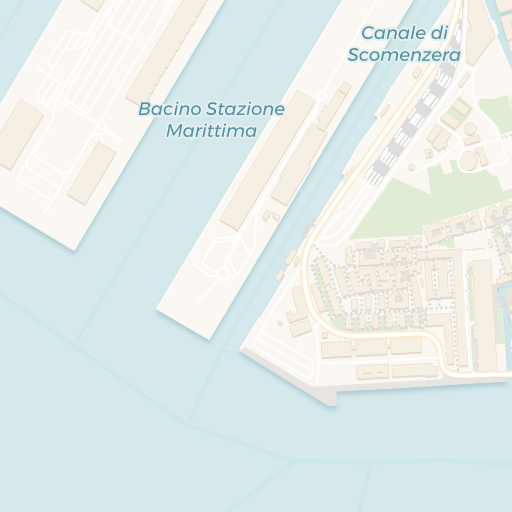
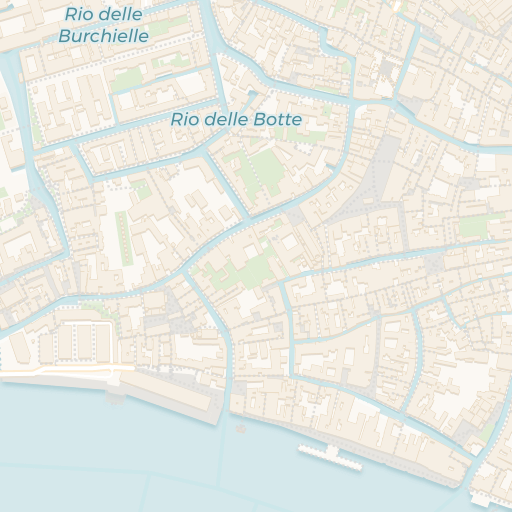
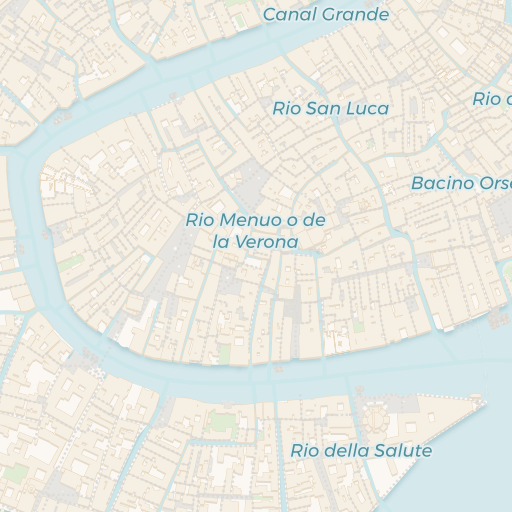
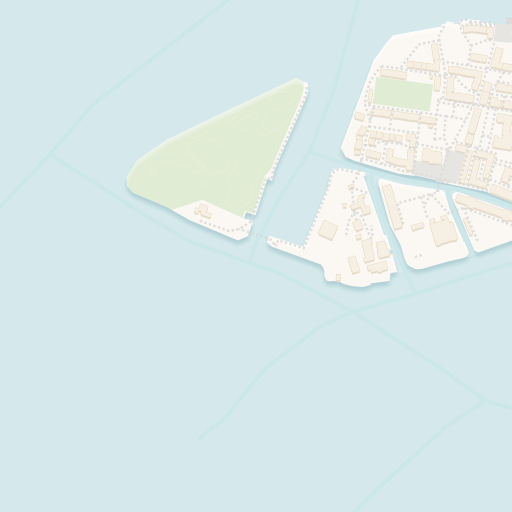
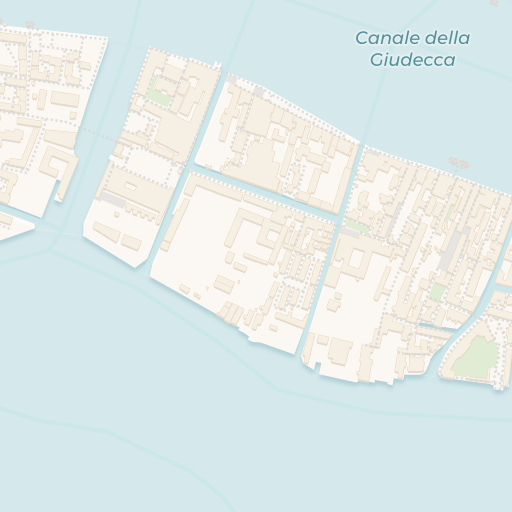
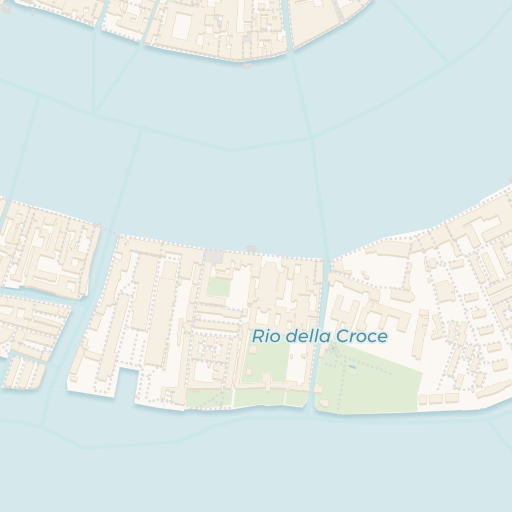
Get directions Open in Apple Maps
© OpenStreetMap contributors · © CARTO · 45.43173, 12.3181
Plan your visit
San Sebastiano sits in Dorsoduro, a short walk from the Squero di San Trovaso and the Zattere waterfront, and is part of Venice's Chorus church circuit, with an admission fee covering entry. It draws a fraction of the crowds of the Frari or San Rocco, making it a genuinely peaceful stop for anyone following Venice's Renaissance painters through the city.
When to visit
The ceiling is the point of the visit and it depends on daylight from the nave windows. Late morning through early afternoon gives the most even light across the three Esther panels; by late afternoon in winter the upper register is effectively gone.
The church is on the Chorus circuit, open daytime Monday to Saturday and closed to visitors on Sundays. It is far enough from anywhere else that arriving on a Sunday means the walk was wasted.
Crowds are not a consideration at any time. San Sebastiano takes a small fraction of the visitors of the Frari or San Rocco, and it is normal to have the nave to yourself -- which matters for a ceiling that needs standing still and looking up for several minutes.
Bring or borrow the handheld mirror if one is available at the desk; a number of Chorus churches provide them, and for a ceiling of this height it saves a great deal of neck.