

San Pietro di Castello
Last updated on September 14, 2026Overview
San Pietro di Castello was Venice's actual cathedral and the seat of its Patriarch for over a thousand years -- long before St. Mark's Basilica ever held that title. Tucked away on a quiet island at the eastern edge of the city, it holds a genuinely startling relic: a stone throne built from a repurposed Islamic funerary stele, its Arabic inscriptions still legible after eight centuries.
Quick facts
- Type: Church, Historic Place
- Local name: San Pietro di Castello (vedi la pagina italiana)
- Visitor access: Open to visitors
- Built: founded 7th century; present form largely 1594-1596 (facade), with later Baroque additions
- Designed by: Mauro Codussi (campanile); façade design by Andrea Palladio, executed by Francesco Smeraldi; Baldassarre Longhena (Vendramin Chapel)
- Architectural style: Renaissance / Baroque
Visit responsibly
This is an active parish church at the quiet end of a residential island, not a monument with a visitor operation. Entry is free or by small donation, and the donation is what keeps it open at the hours it does.
The Throne of St Peter is a Muslim funerary stele repurposed as a Christian relic, taken during a crusade. It is worth looking at with that history in mind rather than as a novelty -- the Arabic on it is a Qur'anic text on someone's gravestone.
The campo in front is where the neighbourhood's children play and where people sit out. It is one of the last places in Venice where that is simply normal rather than notable.
Walking out here spreads visitors to the far edge of the city, which is genuinely useful -- but it also brings them into a quarter with no tourist infrastructure at all, so the courtesy owed is the residential kind.
Where it is
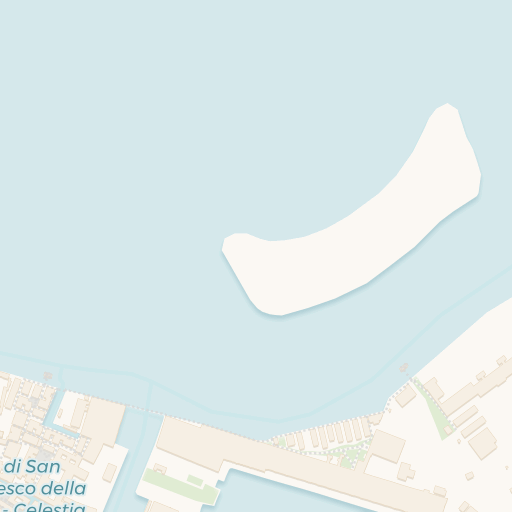

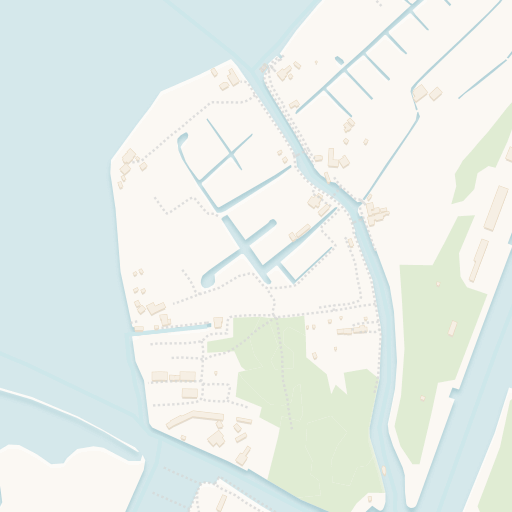
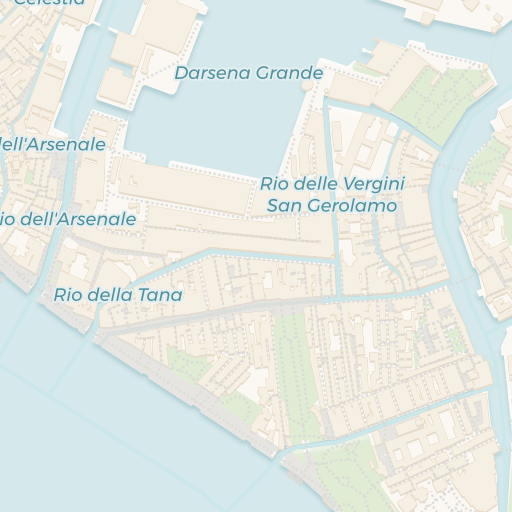
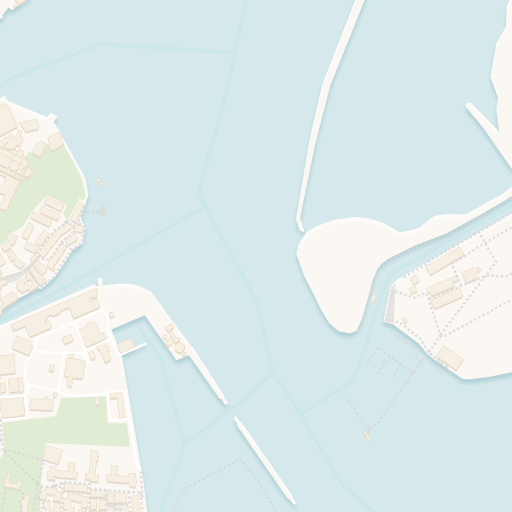
Get directions Open in Apple Maps
© OpenStreetMap contributors · © CARTO · 45.43382, 12.36184
Plan your visit
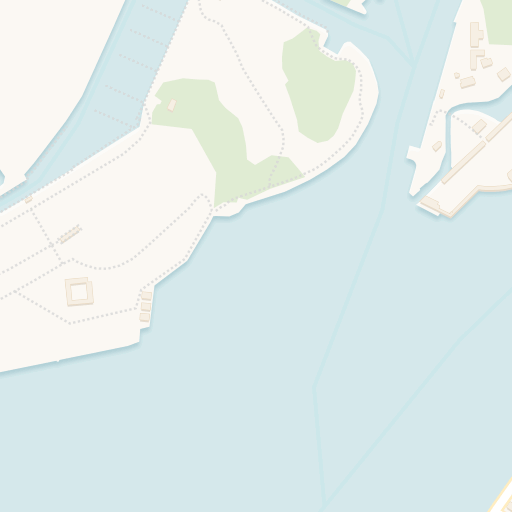
San Pietro di Castello sits on its own small island at the eastern edge of Castello, connected by a bridge and reachable on foot from the Biennale Giardini or by vaporetto to the Giardini or San Pietro stops. It's a genuinely quiet detour compared to the city's central churches -- worth the walk for the Throne of St. Peter alone.
When to visit
It keeps parish hours rather than museum ones and closes over the middle of the day, so the Throne of St Peter -- the reason most people make the walk -- needs a check of current times before setting out. It is a long way to come to a locked door.
The interior is bright by Venetian standards, with Palladio's clear-glazed windows, so light is less critical here than at most churches; the Veronese and the Giordano in the Vendramin Chapel both read reasonably through the day.
During the Biennale, from spring to autumn, the walk out is busier and the church picks up a few more visitors -- still a fraction of anywhere central.
The last week of June brings the parish festival of San Pietro di Castello, when the campo fills with the neighbourhood for several evenings -- the one time of year the island is genuinely crowded, and by Venetians.