

San Francesco del Deserto
Last updated on September 10, 2026Overview
San Francesco del Deserto is a small island of cypresses between Burano and Sant'Erasmo, occupied by a Franciscan community that has been there, with interruptions, for eight hundred years.
The tradition is that St Francis of Assisi landed here in 1220, sheltering on the way back from Egypt and the Holy Land. The island has been Franciscan ever since.
There is no vaporetto, no ticket office and no shop. You arrive by private boat, a friar shows you the cloisters and the garden, and you leave. It is the quietest place in the Venetian lagoon.
Quick facts
- Type: Sacred Place
- Local name: San Francesco del Deserto (vedi la pagina italiana)
- Admission: Donation suggested
- Built: Franciscan from c. 1220; friars returned 1856
- Denomination: Roman Catholic (Franciscan)
- Where the name comes from: "Del Deserto" records the long stretches when malaria and isolation emptied the island completely, between one Franciscan community and the next.
- No public boat, by choice: There is no vaporetto, ticket office or shop. Visits are arranged with the friary and guided by a friar, and the island has never been developed for tourism.
Visit responsibly
This is a functioning religious community of a handful of friars, not a museum. The single most important thing is to arrange the visit properly and keep to the arrangement.
Keep quiet, stay with the friar guiding you, and do not wander into the enclosure or the living quarters.
There is no charge; leave an offering, which is what maintains the island.
Do not bring food, do not picnic, and take everything away with you -- there are no facilities of any kind.
The surrounding salt marsh is fragile and eroding. Ask your boatman to approach slowly; wash from private boats is one of the lagoon's real problems.
Where it is
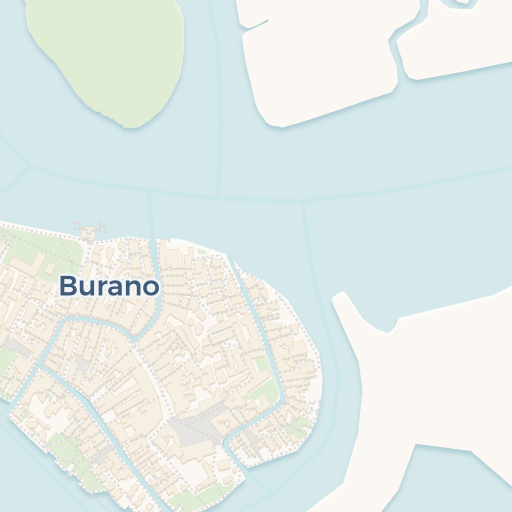
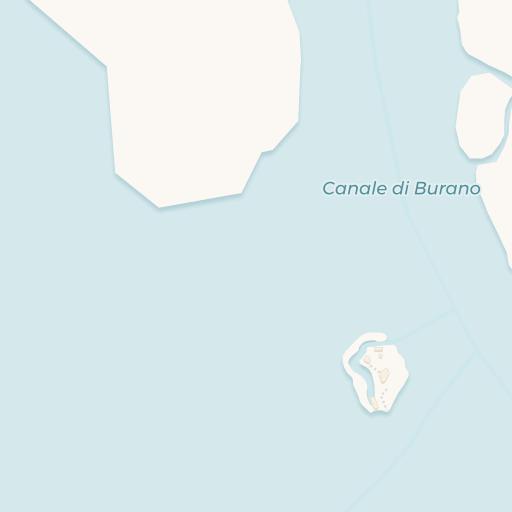
Get directions Open in Apple Maps
© OpenStreetMap contributors · © CARTO · 45.4861, 12.4306
Plan your visit
Admission: Donation suggested
There is no public boat. You reach the island by water taxi or by arranging a private boat from Burano, which is a few minutes away; some operators run a shared service.
Visits must be arranged in advance with the friary, and are guided by a friar. There is no admission charge -- an offering is customary.
Hours are limited and the island closes on Mondays and for religious observances. Check before arranging a boat; arriving unannounced is not the way this works.
Allow around an hour on the island, plus the crossing.
Dress and behave as you would in any religious house: modest clothing, quiet, and no photography where asked. This is somebody's home and place of prayer, not an attraction.
When to visit
Spring and autumn are the best -- the garden is at its best and the crossing is comfortable.
Morning visits are generally easier to arrange and the light through the cypresses is good.
Summer is hot and the mosquitoes on the lagoon are serious; the island is still quiet, which is the point.
Winter brings fog and a reduced visiting schedule, and boats are harder to arrange.
Avoid Mondays, when the island is closed, and check around major religious dates.