

Palazzo Morosini Brandolin
Last updated on September 13, 2026Overview
Palazzo Morosini Brandolin stands on the Grand Canal at the corner of the Rio di San Toma, across the water from Ca' d'Oro, in the Sestiere of San Polo. Built by the Morosini family in the second half of the 15th century, it was designed to rival Ca' Foscari in scale and decoration -- an ambition still visible in its two matching floors of Gothic tracery windows, even though a mid-19th-century demolition cut the building down from its original height.
Quick facts
- Type: Historic Place, Palace
- Local name: Palazzo Morosini Brandolin (vedi la pagina italiana)
- Visitor access: Exterior only
- Built: 15th century (third floor demolished mid-19th century)
- Architectural style: Venetian Gothic
Visit responsibly
The building is divided into private flats with people living in them. There is nothing to enter and no reason to try the door on the side canal; the facade is the whole of what is public about it.
The right way to see it is from a scheduled vaporetto, which is already passing. Hiring a boat to look at a private residence adds wash and traffic to one of the busiest stretches of the canal for a view that a one-euro-per-minute ticket gives just as well.
If the comparison with Ca' d'Oro opposite is what brings you here, the museum across the water is the one that takes visitors and funds its own upkeep from them -- a better place to spend an hour than lingering outside a home.
Where it is
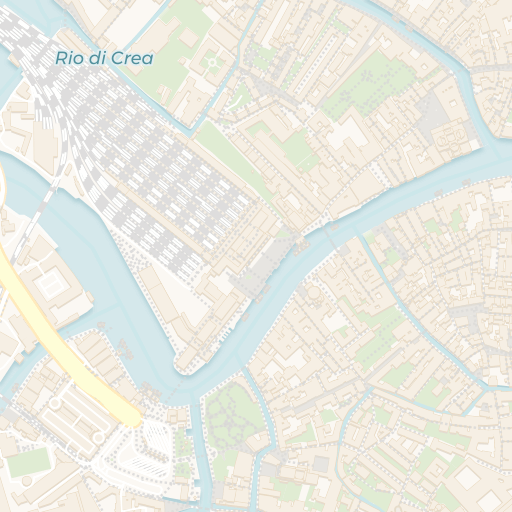
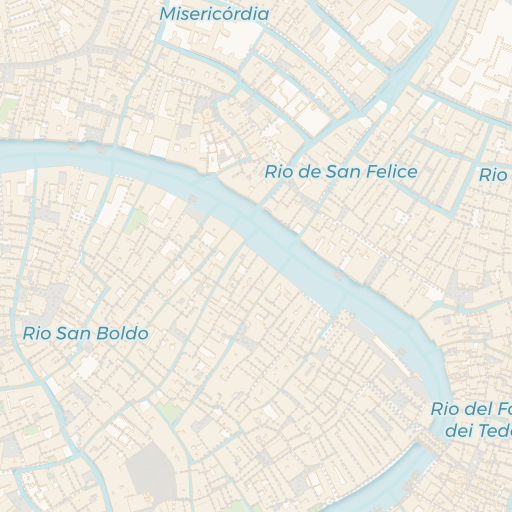
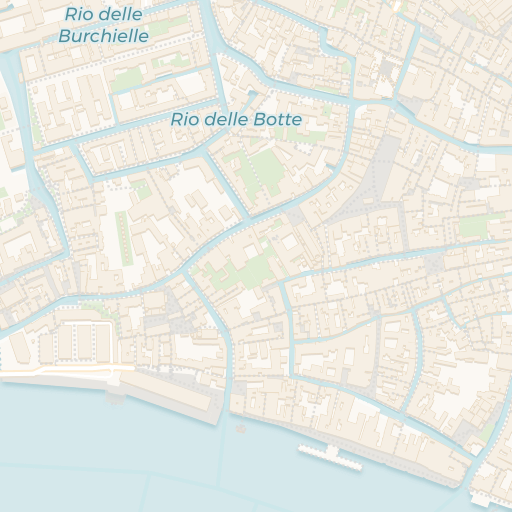
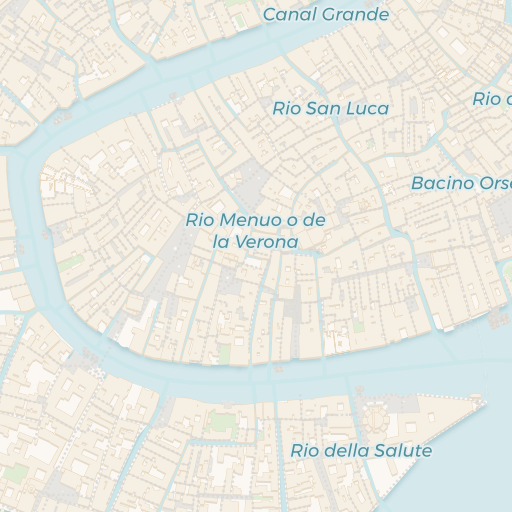
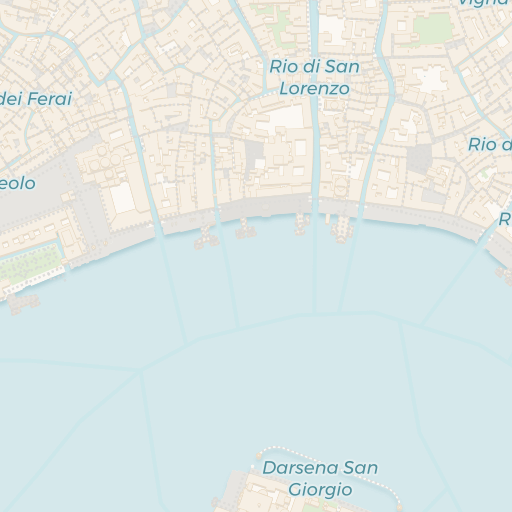
Get directions Open in Apple Maps
© OpenStreetMap contributors · © CARTO · 45.44034, 12.33296
How to See It
Palazzo Morosini Brandolin is a private residential building, divided into apartments, and is not open to the public. Its Grand Canal facade is best seen from the water, by vaporetto or gondola, across from Ca' d'Oro.
When to visit
The facade faces roughly north-east across the canal, so it takes direct sun in the morning and falls into flat shade by early afternoon. Anyone specifically wanting to see the tracery should be on the water before about eleven.
Line 1 is the boat that matters here, because it stops at both banks along this stretch and moves slowly enough to look. Line 2 runs the same water faster and further out, and this palace goes past unread.
The stretch below the Rialto is at its most congested from mid-morning to late afternoon, when a passing boat is as likely to be blocked by another boat as by anything else. The first hour of vaporetto service gives an almost empty canal and the better light at the same time.
In winter the low sun reaches further into the arcading of the windows and makes the difference between the two floors much easier to see than it is under a high summer sun.