

Palazzo dei Dieci Savi
Last updated on September 13, 2026Overview
The Palazzo dei Dieci Savi stands right by the Rialto Bridge, its long frescoed portico opening onto the Ruga degli Orefici, the old street of the goldsmiths. Built in the 1520s to house the Republic's tax magistrates, it later served for decades as the seat of Venice's water authority, and today houses regional public works offices -- a working government building, not a museum, but one with a genuinely distinguished Renaissance facade.
Quick facts
- Type: Historic Place, Palace
- Local name: Palazzo dei Dieci Savi (vedi la pagina italiana)
- Visitor access: Exterior only
- Built: 1521 (16th century)
- Designed by: Antonio Abbondi (lo Scarpagnino)
- Architectural style: Venetian Renaissance
Visit responsibly
This is a working government office -- the regional public works authority -- with no visitor access of any kind. The portico is a public street; the doors off it are not.
The arcade is one of the busiest pedestrian channels in Venice, funnelling everyone who crosses the Rialto Bridge into the market. Stopping under it means stopping in a corridor, and the columns are where to stand.
The frescoed vaults survive above an open-air public walkway with no barrier and no custodian, which is unusual and precarious. They persist because people look rather than touch.
The 1848 lion commemorates a failed revolution that ended in bombardment and the surrender of the city. It is a war memorial on a facade rather than a photo opportunity.
Where it is
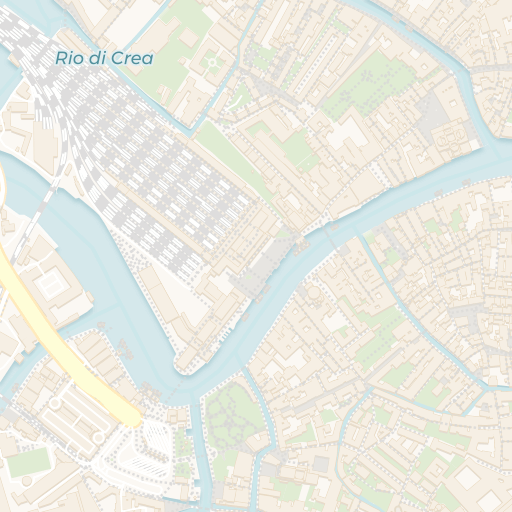
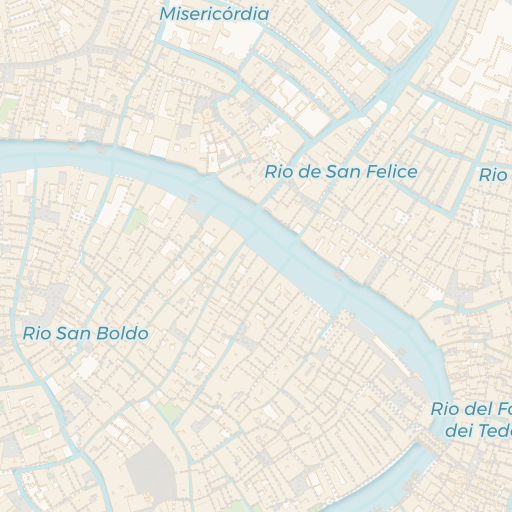
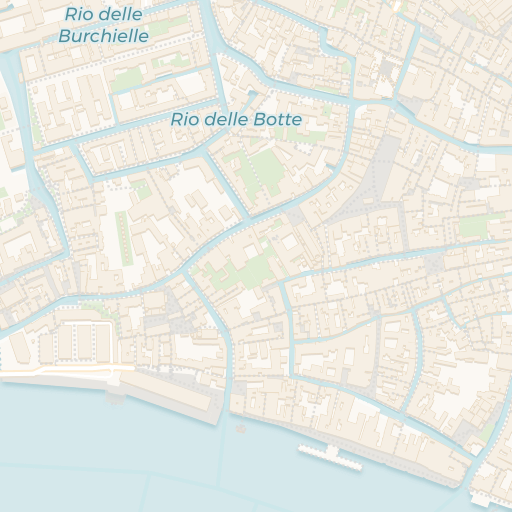
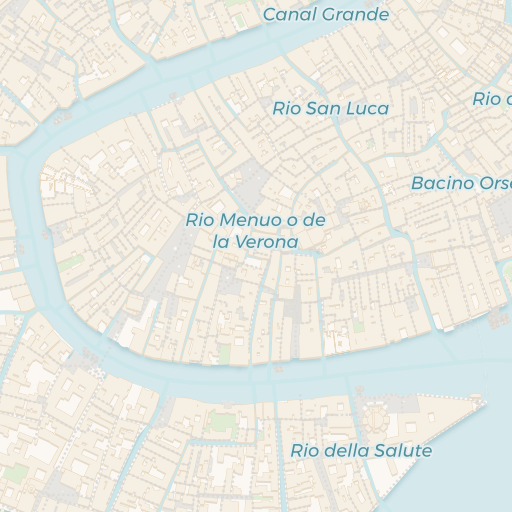
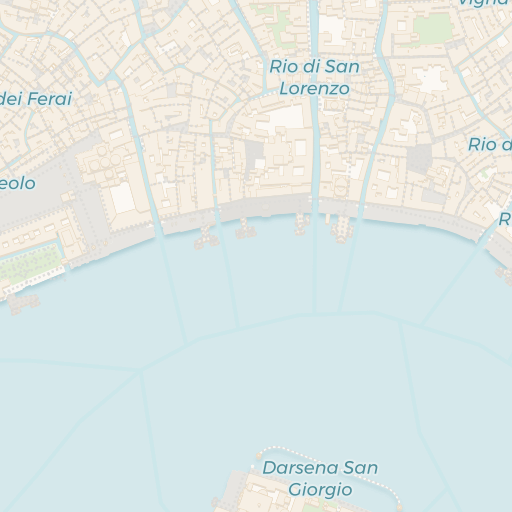
Get directions Open in Apple Maps
© OpenStreetMap contributors · © CARTO · 45.43846, 12.33514
How to See It
The Palazzo dei Dieci Savi is a working government office and is not open to the public. Its portico and facades are freely visible from the Ruga degli Orefici and the Grand Canal, immediately next to the Rialto Bridge.
When to visit
The offices are closed to the public permanently, so the question is only when the portico is passable. It is at its worst between about ten and six, when the flow off the Rialto Bridge into the market district is continuous.
Early morning is the time to come. The market opens around 7.30 and the portico carries traders and shoppers rather than sightseers, and it is possible to stand under the vaults and look at the frescoes without being in the way.
The frescoes need decent daylight -- the portico is deep and north-facing, so they read poorly in the late afternoon and are effectively invisible on a dark day.
Sunday is quiet, with the market closed. The building is still shut, but the arcade is empty enough to actually see.