

Campo Santo Stefano
Last updated on September 13, 2026Overview
Campo Santo Stefano is one of the largest and liveliest squares in Venice, a wide, mostly paved expanse in San Marco that has hosted everything from bullfights to political rallies over the centuries. Its church, with a visibly leaning bell tower and a wooden ceiling shaped like an upturned ship's hull, is one of the more distinctive in the city, even if it's often overshadowed by the square itself.
Quick facts
- Type: Square/Plazza, Church, Historic Place
- Local name: Campo Santo Stefano (vedi la pagina italiana)
- Visitor access: Open to visitors
- Built: church founded 13th century, rebuilt 14th-15th century
- Architectural style: Venetian Gothic
Visit responsibly
This is one of the few large squares in central Venice that residents still use as a square: children play here, people sit here in the evening, and the cafes serve locals as well as visitors. It absorbs a lot, but it is not a plaza laid on for tourism.
Cafe tables in the campo cost several times what the same coffee costs standing at the bar inside -- a normal Italian arrangement rather than a scam, but worth knowing before sitting down.
The church is an active parish and free or near-free to enter, funded by donation. It is also structurally delicate, with a leaning tower beside it under long-term monitoring.
Because so many people pass through on the way between the Accademia and the Rialto, this is a square where stopping is easy and cheap -- and stopping here rather than pressing on into San Marco is the small choice that spreads the load.
Where it is
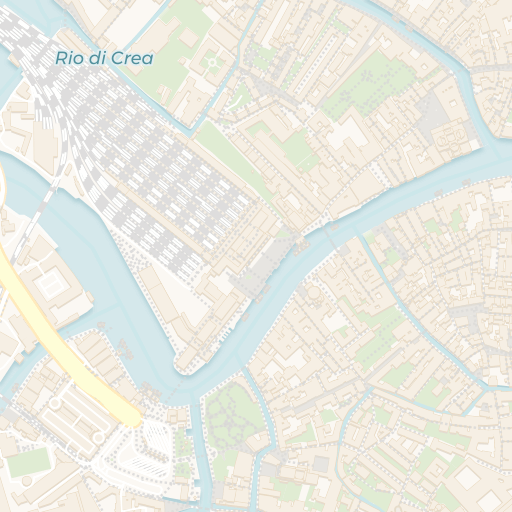
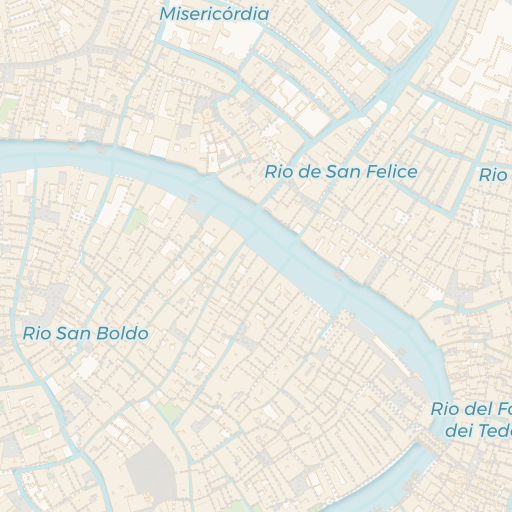
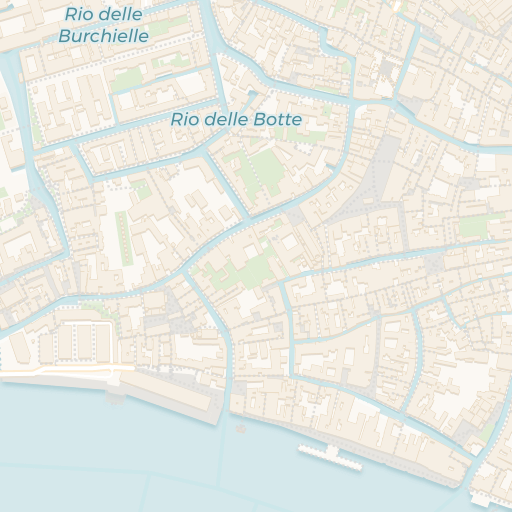
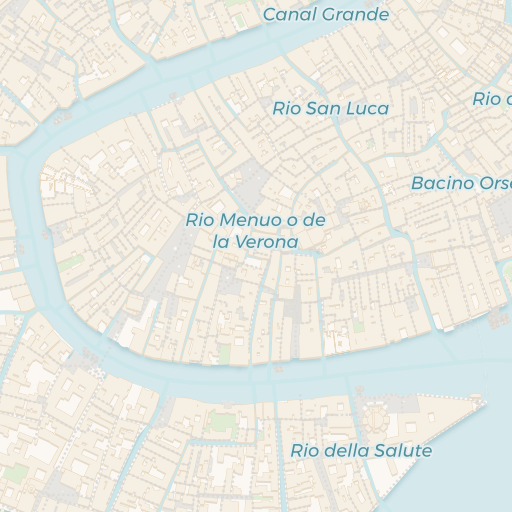
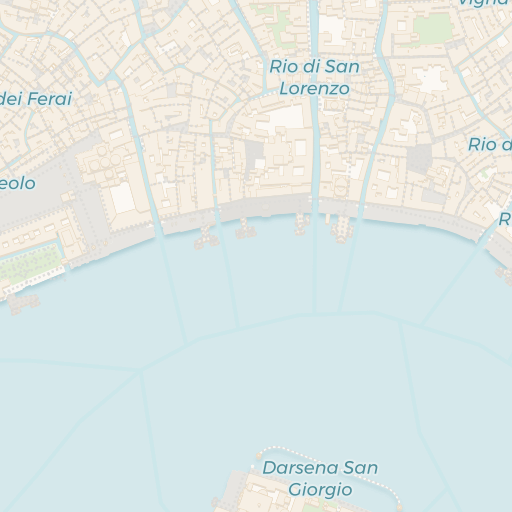
Get directions Open in Apple Maps
© OpenStreetMap contributors · © CARTO · 45.43334, 12.33068
Plan your visit
Campo Santo Stefano sits between the Accademia Bridge and Campo Santa Margherita, a natural stop when walking between the two. The square itself is always open and free; the church keeps regular but limited visiting hours as an active parish.
When to visit
The square never closes and the church keeps limited parish hours, so the interior -- the ship's-keel ceiling above all -- needs either a check of current times or some luck.
Evening is when the campo is at its best and most Venetian. The liston tradition is not dead: the square fills from about six with people walking and sitting, and the cafes stay busy well after the day-trippers have left the city.
Mornings are quiet and best for the buildings. The campo runs roughly north-south and the palaces on the west side take early light, while the campanile's lean is most obvious against a clear morning sky.
It hosts markets and events through the year and is one of the main Carnival venues, which fills it completely -- worth checking if you want the square itself rather than a crowd in it.