

Campo Santa Fosca
Last updated on September 14, 2026Overview
Campo Santa Fosca, in Cannaregio, holds a small parish church with roots reaching back a thousand years and a monument to one of Venice's most defiant intellectuals -- a statue of Paolo Sarpi standing at almost the exact spot where hired assassins nearly killed him in 1607.
Quick facts
- Type: Historic Place, Square/Plazza
- Local name: Campo Santa Fosca (vedi la pagina italiana)
- Visitor access: Open to visitors
- Built: 10th-century origins; rebuilt early 18th century (facade completed 1741)
- Designed by: facade by Domenico Rossi
Visit responsibly
This is one of the few squares in Cannaregio that carries heavy foot traffic, and it is still a parish square with residents around it. The church is free and depends on donations for the hours it can stay open.
Because the Strada Nova passes straight through it, stopping in the middle of the campo puts a group directly in a major pedestrian route. The edges by the canal are both quieter and better for seeing anything.
Sarpi's monument is a live piece of Italian anticlerical politics rather than neutral street furniture, put up by a state that had recently taken Rome from the papacy. It is worth reading it as an argument, not just as a statue.
Cannaregio absorbs a large share of Venice's day traffic without much of the spending, since most people are walking through it toward somewhere else. Stopping here -- for a coffee, for the church -- puts something back into a sestiere that mostly gets the footfall.
Where it is
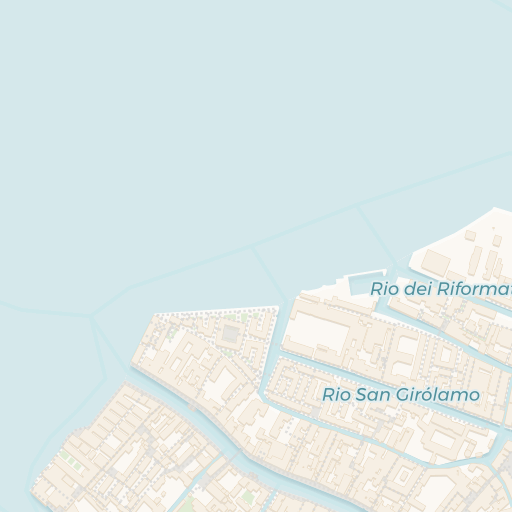
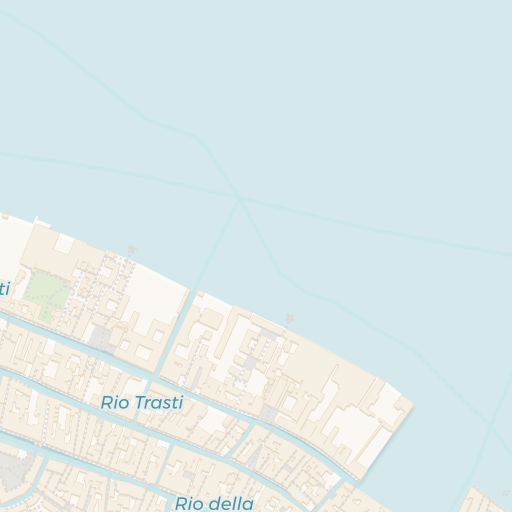
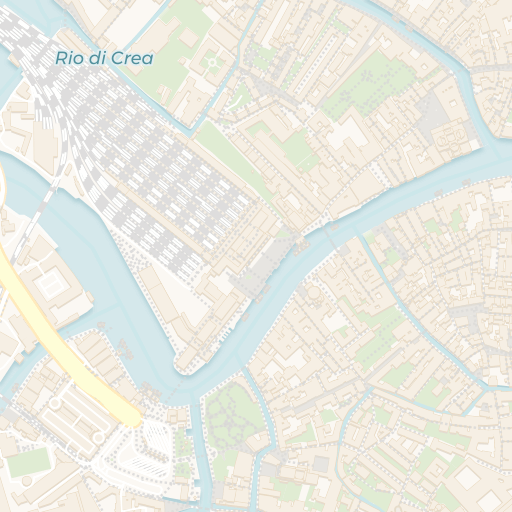
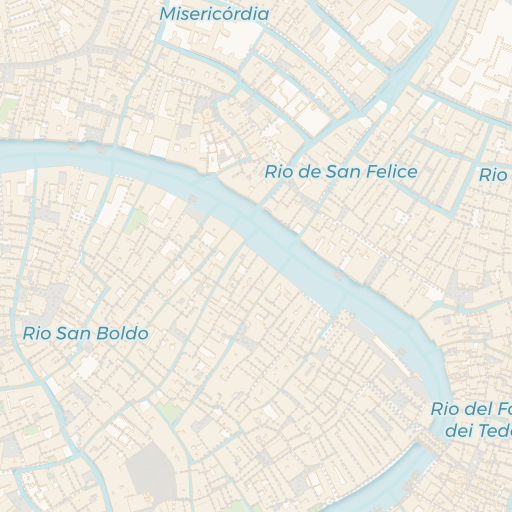
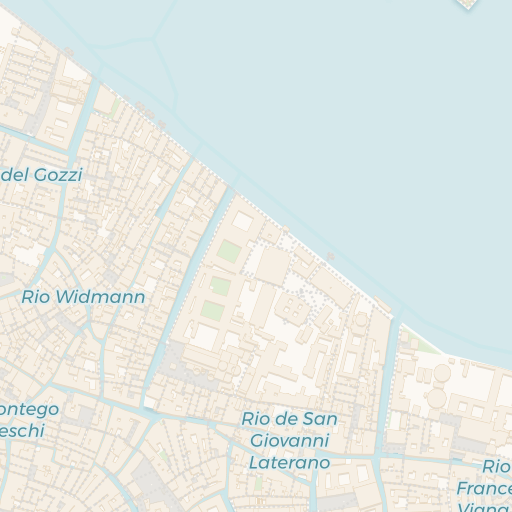
Get directions Open in Apple Maps
© OpenStreetMap contributors · © CARTO · 45.44311, 12.33204
Plan your visit
Campo Santa Fosca is a short walk from the Ca' d'Oro vaporetto stop, in the Cannaregio district. The church keeps modest opening hours as an active parish rather than a tourist site -- check current hours before planning a visit around the interior specifically, though the square, campanile, and Sarpi statue are visible at any time.
When to visit
The church is an active parish with modest hours rather than a museum -- open around services and not much beyond -- so the interior and its altarpieces need either luck or a check of current times.
The campo, the campanile, the bridge and the Sarpi statue are all outdoor and available at any hour. For most visitors that is the entire visit and it is enough.
Early morning and evening are when the square belongs to the neighbourhood; between about ten and six it is absorbed into the Strada Nova's through traffic and reads as a wide spot in a busy street rather than as a square.
The statue faces roughly into the afternoon sun, so the inscription and the face read better later in the day than earlier.