

Campo della Maddalena
Last updated on September 14, 2026Overview
Campo della Maddalena is a small, easily overlooked square in Cannaregio, just off the busy route between the train station and the Rialto Bridge. Its church, one of only two circular churches in all of Venice, and a Gothic-portalled palace facing it across the square, make it a genuinely rewarding stop for visitors willing to step away from the main route for a few minutes.
Quick facts
- Type: Historic Place, Square/Plazza
- Local name: Campo della Maddalena (vedi la pagina italiana)
- Visitor access: Open to visitors
- Built: church rebuilt 1763-1790
- Designed by: Tommaso Temanza (completed by Giannantonio Selva)
- Architectural style: Neoclassical (Pantheon-inspired)
Visit responsibly
This is a small residential square with houses on every side and no commerce of any kind. Voices carry directly into windows, and a group standing in it fills a good part of it.
When the oratory is open it is open for a reason -- usually a service. Stepping in to look around during one is not the same as visiting, and the building has no visitor arrangement, no custodian and no ticket.
The wellhead at the centre is early 16th-century and is not a bench. It is one of the few in Venice still standing in an intact campo setting rather than a museum courtyard.
Coming here at all is a small good: it takes a few minutes of pressure off the Strada Nova, which is among the most saturated walking routes in the city, and puts it somewhere that can absorb it.
Where it is
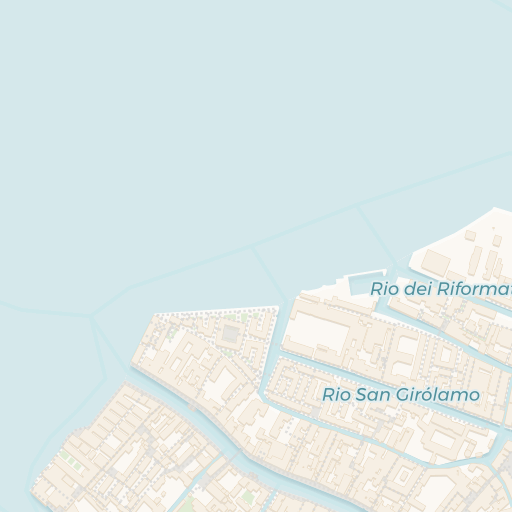
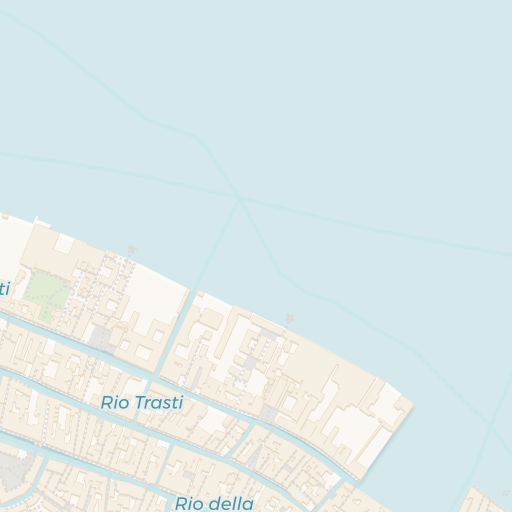
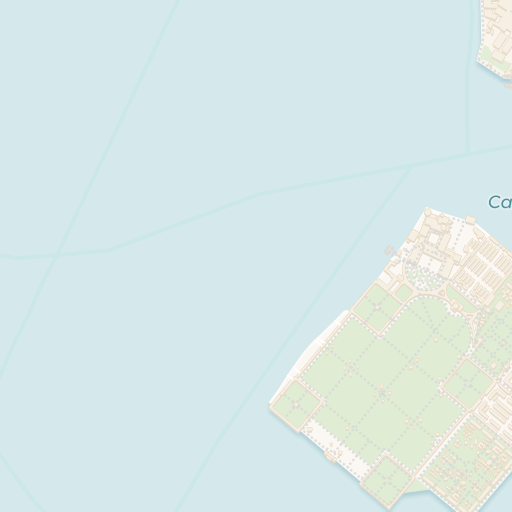
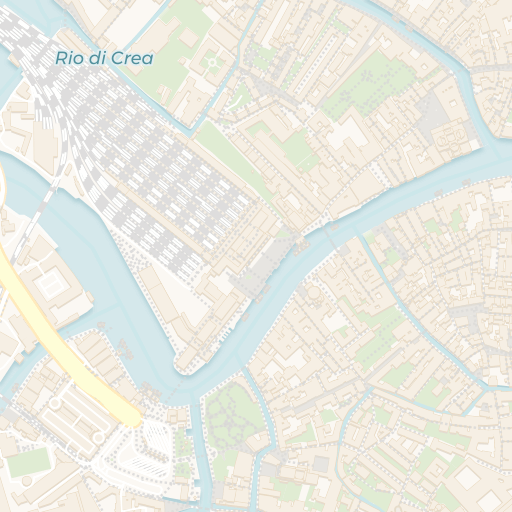
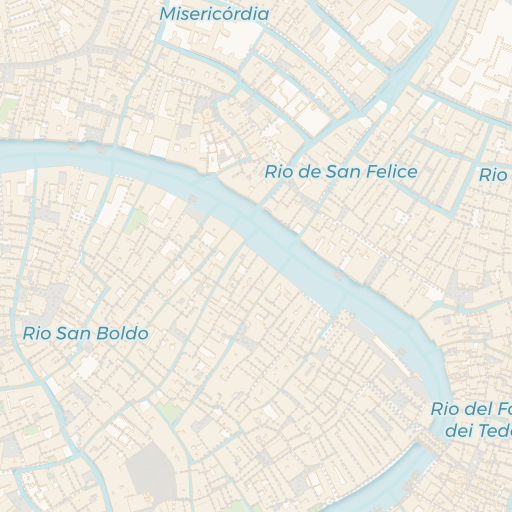
Get directions Open in Apple Maps
© OpenStreetMap contributors · © CARTO · 45.44313, 12.33104
Plan your visit
Campo della Maddalena is in Cannaregio, just off the well-worn route between the train station and the Rialto Bridge, making it an easy short detour. The church functions as an oratory rather than a regularly open parish church, so opening hours are limited -- check current times before planning a visit specifically around its interior.
When to visit
The church lost its parish status under Napoleon and functions as an oratory, which means it is closed far more often than it is open -- opening is occasional and tied to services or events rather than to a published schedule. Anyone coming specifically for Temanza's interior should treat an open door as luck.
The campo itself is open ground and can be seen at any hour. The facade, the portal lunette and the Palazzo Magno relief opposite are all outdoor and need nothing but daylight.
Late morning is best for the carving. The campo is enclosed and takes direct sun only when it is reasonably high, and the relief of St Magno on the palace portal is shallow enough that flat light loses it entirely.
It is quiet at every hour, including in high season -- the crowd is thirty seconds away on the Strada Nova and essentially never turns the corner.