

Ca' Pesaro
Last updated on November 9, 2026Hours verified November 2026
Ca' Pesaro is a grand Baroque palazzo on the Grand Canal in Santa Croce, its heavy rusticated base and double loggias of colossal columns among the most theatrical facades on the canal. Since 1902 it has housed Venice's collection of modern art -- including Gustav Klimt's Judith II -- alongside a substantial museum of East Asian art, giving one of the city's most flamboyant 17th-century buildings a thoroughly contemporary use.
Challenge to visitors
Two museums share the building and almost nobody realises it. One ticket admits both the international modern art gallery and the Museum of Oriental Art upstairs, and the second is routinely missed by people who think they have finished at the top of the painting rooms.
Closed Mondays, in a part of Venice you do not pass by accident. Santa Croce is off the Rialto–San Marco current, so coming here is a decision rather than a drift, and a Monday arrival is a wasted one.
Expectations are the other problem. The palace is Longhena's, baroque and monumental on the Grand Canal, and the collection inside is modern — Klimt, Kandinsky, Venetian Biennale purchases. Visitors who come for the building and visitors who come for the art both get a surprise, and the ones who enjoy it are the ones who knew.
Visiting tips and strategy
When to go
As one of Venice's civic museums, Ca' Pesaro keeps museum hours and is normally closed on Mondays, with shorter opening in winter than in summer -- worth confirming before a special trip, since the Santa Croce location is not somewhere most people pass by chance.
The building is at its best in the late afternoon, when low sun rakes across the diamond-point rustication and the recessed loggias and the facade does what it was designed to do. At midday the front flattens out considerably.
Inside, the galleries are lit from the canal side, so the modern collection -- Klimt's Judith II especially -- is best seen in bright daylight hours rather than in the last hour before closing.
Crowds are never a serious factor. This is one of the least pressured major museums in Venice, and it is a genuine option on the days when the Accademia and the Doge's Palace are at their worst.
Getting the good version
Come by the Grand Canal, not on foot. Get off at San Stae and walk the last two minutes; Longhena's facade is a water building and the approach along the canal is the half of it the land entrance throws away.
Do the Oriental Art museum. It is on the same ticket, it is on the top floor, and it holds one of Europe's major collections of Edo-period Japanese material — gathered by a nineteenth-century Venetian prince and almost never busy. Leaving without it is leaving half the admission unused.
Allow two hours for both, and arrive before mid-afternoon in winter: the galleries depend on daylight more than the lighting admits, and the museum starts closing twenty minutes before its stated hour.
If modern art is the reason you are in Venice, the €20.00 combined ticket adds the Museo Fortuny and MUVEC in Mestre over three months — a better fit here than the general civic pass.
What it costs
€15.00 full, €7.50 reduced, and the one ticket covers both museums in the building — the Galleria Internazionale d'Arte Moderna and the Museo d'Arte Orientale on the floor above. There is no separate charge for the second and no reason to skip it.
€20.00 full, €10.00 reduced for the modern and contemporary ticket, which adds the Museo Fortuny and MUVEC – Casa delle Contemporaneità in Mestre, valid three months with one entry to each. It also gives access to M9 – Museo del '900 and the temporary exhibitions of Mestre's cultural district.
Reduced covers ages six to fourteen, students from fifteen to twenty-five, over-65s, Ministry of Culture staff and Rolling Venice cardholders.
Free for residents and those born in the Comune of Venice, children under six, a disabled visitor and their companion, ICOM members, licensed Italian guides accompanying visitors and up to two teachers per school group.
The MUVE pass at €50.00 / €25.00 remains the better value if you are working through the civic museums generally rather than the modern ones specifically.
Verified against Fondazione Musei Civici di Venezia, October 2026.
Getting there and getting in
Admission: €15
Prices verified August 2026
Where it is
On the Grand Canal in Santa Croce. Vaporetto to San Stae, then two minutes on foot. One ticket covers the Galleria Internazionale d'Arte Moderna and the Museo d'Arte Orientale above it.
Hours
1 April – 31 October: 10:00–18:00, last entry 17:00.
1 November – 31 March: 10:00–17:00, last entry 16:00.
Closed Mondays. Closing procedures begin twenty minutes before the stated time.
Dated notice
The museum has announced extended opening until 20:00 on 20, 21 and 22 November 2026, last entry 19:00. Check its notices before relying on it — a dated opening is the first thing to change.
Tickets
€15.00 full, €7.50 reduced. The modern and contemporary ticket at €20.00 / €10.00 adds Museo Fortuny and MUVEC in Mestre for three months. Bookings through prenotazionivenezia@coopculture.it.
How long
Two hours for both collections; an hour if you stop at the modern galleries.
Verified against Fondazione Musei Civici di Venezia, August 2026.
Place accessibility
The operator describes Ca' Pesaro as completely accessible to disabled visitors, and lists a lift serving the building. Both museums under this roof — the modern gallery and the Oriental Art collection above it — are reached by it.
A disabled visitor and their companion are admitted free, set out in the civic museums' published free-admission list.
The approach is the part to plan. Santa Croce is a bridged quarter and the San Stae vaporetto stop is a couple of minutes away on foot, which in Venice can mean a canal bridge with steps. Arriving by water taxi to the palace's own canal entrance avoids that, and is the reason it is worth the fare here more than at most museums.
Not published, and not guessed: whether the walking route from San Stae is step-free, and whether the Oriental Art floor is served by the same lift as the galleries below.
Quick facts
- Type: Museum, Palace, Historic Place
- Local name: Ca' Pesaro (vedi la pagina italiana)
- Visitor access: Open to visitors
- Admission: €15
- Reservation: Not required — tickets on the door
- Typical visit: About 1 hour 30 minutes
- Built: 1659-1710
- Designed by: Baldassare Longhena (completed by Gian Antonio Gaspari)
- Architectural style: Venetian Baroque
Where it is
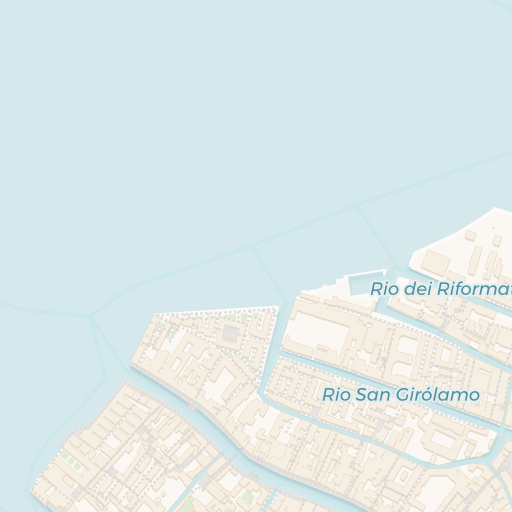
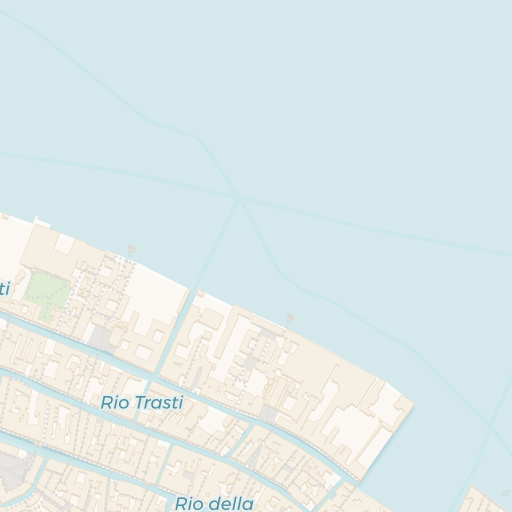
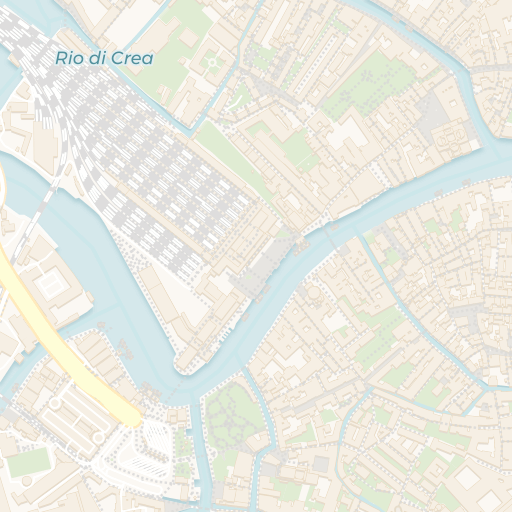
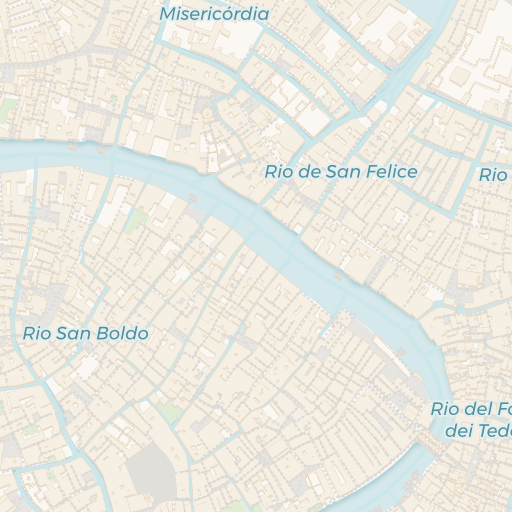
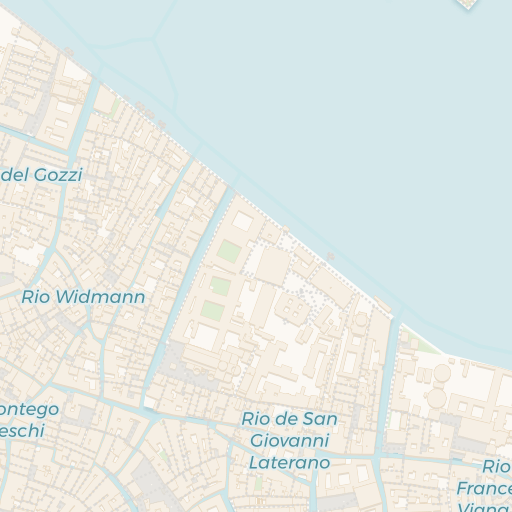
Get directions Open in Apple Maps
© OpenStreetMap contributors · © CARTO · 45.44097, 12.33154
Visit responsibly
One ticket covers both the modern art gallery and the Museum of Oriental Art, and the revenue goes to the Fondazione Musei Civici, which maintains a network of eleven museums across the city. Paying to enter a lesser-visited one is a more useful contribution than another ticket to the busiest.
Photography rules vary by room and by temporary exhibition, and the Klimt in particular is often restricted -- the signage is the authority, not the general permission at the entrance.
The Museum of Oriental Art upstairs holds some 30,000 objects taken largely from Edo-period Japan, assembled during a 19th-century collecting expedition. It is worth seeing and worth seeing knowingly: collections of this kind were formed under conditions that no longer look neutral.
Ca' Pesaro absorbs visitors easily and Santa Croce needs them more than San Marco does. Coming here on a busy day is one of the straightforward ways to put a visit where it does least harm.