

Rome Coliseum
Last updated on October 8, 2026Why visit Rome Coliseum
Every other great Roman amphitheatre is either a ruin or still in use. The Colosseum is neither: it is a cross-section. The earthquake of 1349 took the outer south wall away and left the interior structure exposed from the outside, so you can read how a Roman amphitheatre was actually put together — the radial vaults, the stacked orders, the tunnels under the floor — in a way no intact building lets you.
It is also the largest ever built, and the scale is the point of standing in it: an ellipse 189 metres by 156, an outer wall 48 metres high, room for something like 50,000 people, and 80 numbered entrances designed to fill and empty it quickly.
Visit if you:
- want to see Roman engineering with its cover removed rather than intact
- are interested in the machinery of spectacle — the hypogeum, the lifts, the training schools around it
- care about how a building survives: quarried, inhabited, fortified, and saved by being declared a shrine
- can book a timed entry and build the day around it
Skip it if you:
- cannot book ahead — this is the least forgiving site in Rome to arrive at on spec
- want an intact amphitheatre; Verona's Arena never fell out of use and is the building to see for that
- dislike crowds and cannot come at opening — the interior route is narrow in places and does not disperse people well
- are looking for shade at midday, of which there is almost none
Quick facts
- Type: Famous Wonder, Monument, Ruins, Historic Place, Roman
- Visitor access: Open to visitors
- Admission: €18
- Reservation: Required — book before arriving
- Typical visit: About 2 hours
- Built: 70–80 A.D.
- Built by: Vespasian and Titus
- Built for: Gladiatorial contests and public spectacles
- Architectural style: Roman amphitheatre
- Height: 48 m
- Size: 189 × 156 m
- Capacity: 50000
- Capacity, disputed: Modern estimates put it around 50,000. The Codex-Calendar of 354 claims 87,000.
- World Heritage: Inscribed as part of the Historic Centre of Rome, not in its own right.
- UNESCO World Heritage Site: Yes
Visit responsibly
The building is a conservation site with a vegetation problem, and the two are connected. Roots open joints and lift stone, which is why growth is removed from the masonry and why some areas are fenced while that work happens. Stepping past a barrier for a photograph puts weight on surfaces that are being actively consolidated. The fenced stone is never part of the visitor route — if you can reach it easily, that is the point of the fence.
Do not carve, scratch or mark anything. This needs saying plainly at this monument in particular: visitors have been prosecuted for cutting initials into the Colosseum, and Italian law treats damage to a protected monument as a criminal matter rather than a fine to be shrugged off. The fifth-century senators' names in the stonework are archaeology. A modern name beside them is vandalism.
Buy from the official ticketing. The pressure point outside the Colosseum is resale — tickets marked up, tours sold as "skip the line" that do not skip the security screening, and costumed touts charging for photographs. Booking direct removes the whole interaction and takes money out of a trade the site itself has repeatedly tried to shut down.
Bring water and refill it. Rome's nasoni street fountains run cold and free, including near the archaeological area. In a building with no shade in August, that is both the practical answer and one fewer plastic bottle in a site that handles millions of visitors a year.
Where it is
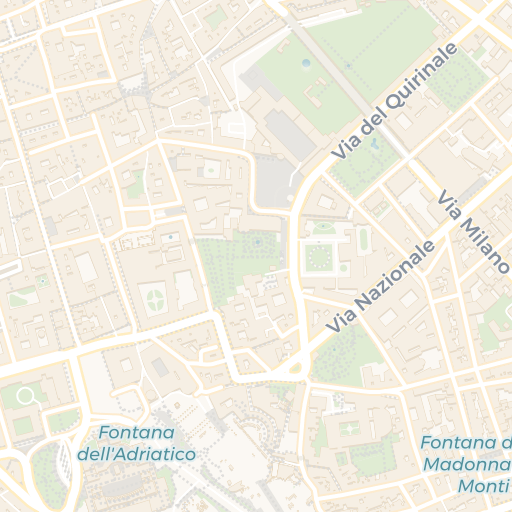
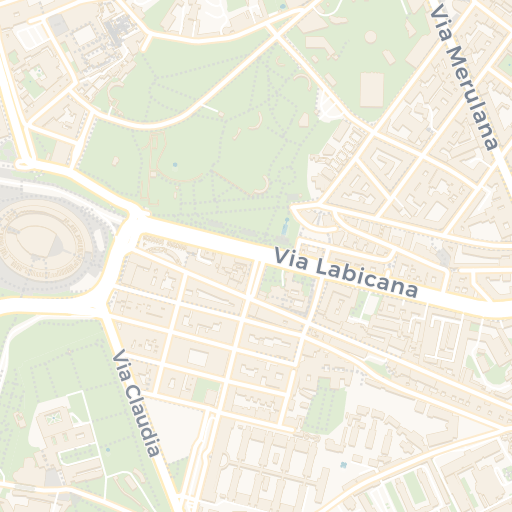
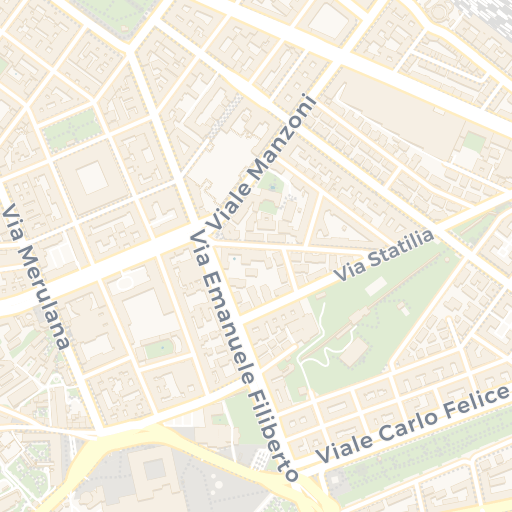
Get directions Open in Apple Maps
© OpenStreetMap contributors · © CARTO · 41.89094, 12.4919
Plan your visit
Admission: €18 · Combined ticket with the Roman Forum and Palatine Hill
Best viewpoint: From the Oppian Hill terrace to the north-east, where the outer wall and the Arch of Constantine line up in one frame.
What is free
The exterior, and it is a great deal of the experience. The surviving north arc of the outer wall with its numbered arches, the whole broken southern side that shows the building in section, and the ring of five remaining stone posts on the east are all read from the street at any hour, at no cost. The Ludus Magnus, the gladiators' training school immediately east, is visible from the pavement above it, free. So is the view down onto the amphitheatre from the Colle Oppio.
The boundary is the ticket control. Everything inside — the tiers, the arena level, the hypogeum, the upper levels and the Commodus Passage — is the ticketed visit.
Which visit are you making
This is not one site with one ticket. General admission covers the amphitheatre's standard route and, ordinarily, the Roman Forum and Palatine as a combined archaeological area. The hypogeum, the top two levels and the Commodus Passage are additional, are usually guided rather than free-flow, and sell out before general admission does. Decide which of them you want before you book, because adding one afterwards generally means buying a second visit.
Booking, and why this page quotes no price
Book a timed entry, direct with the official ticketing, as early as you can. Admission prices, concession rules, which combinations exist and which parts are open all change from season to season, and the official ticketing site is the only place those are reliable. Any figure on a third-party page — including this one — may already be wrong, so we do not print one.
Security screening is at the entrance and queues for it are separate from the ticket queue: a timed slot gets you into the line, not through the door.
One city-run product is worth knowing about. The Roma Pass, sold by Roma Capitale and valid 48 or 72 hours, includes public transport and access to more than a hundred sites; whether and on what terms it admits you to the Colosseum is set by the pass and the monument, not by this page, and the city's own advice is to check access, booking and opening hours on the individual site before you rely on it.
Access and footing
The building is uneven Roman stone with worn steps, and the upper levels and hypogeum add stairs and low passages. Lifts and step-free routes exist for parts of the monument but not for all of it, and what is available shifts with the restoration works — a project is planned to begin in 2026. Visitors with mobility needs should confirm the route for their specific date rather than relying on a general description.
There is almost no shade inside. In summer, that is a scheduling fact rather than a comfort note.
Verified against Turismo Roma, September 2026.
When to visit
Come at opening, in the shoulder seasons. April to early June and late September into October give workable temperatures and long light. July and August combine the year's largest crowds with a building that has essentially no shade and stone that holds heat all afternoon.
Within the day, the first slot is the one to want. The interior route is narrow in places and disperses a crowd badly, so the gap between the first hour and midday is wider here than at most Roman sites. Late afternoon is second best, and better for the outer wall, which faces the low sun.
Winter is genuinely good — quiet, with low raking light across the travertine, at the cost of a shorter opening day and rain on unsheltered stone.