

Teatro Olimpico
Last updated on September 14, 2026Overview
The Teatro Olimpico is the oldest surviving indoor theatre in the world, and Andrea Palladio's last building -- he died in 1580, months after work began. Behind its proscenium stands a permanent wooden stage set built for the opening night in 1585 and never taken down since: seven streets in forced perspective that appear to run for hundreds of metres inside a space a few metres deep.
Quick facts
- Type: Historic Place
- Local name: Teatro Olimpico (vedi la pagina italiana)
- Built: 1580-1585
- Designed by: Andrea Palladio; completed by Vincenzo Scamozzi
- Architectural style: Renaissance
- Oldest surviving indoor theatre: The oldest surviving indoor theatre in the world, opened on 3 March 1585 with Sophocles' Oedipus Rex.
- Original stage set: Scamozzi's seven streets in forced perspective were built for that opening night and have never been dismantled.
- UNESCO World Heritage Site: Yes
Visit responsibly
The stage set is original 1585 wood and plaster and is the reason the visitor route is controlled: you look along the streets from the stage edge rather than walking into them. That restriction is the whole reason there is still something to look at.
No flash, and no touching the scenery -- both rules exist because the material is fragile rather than valuable.
Buying the Card Musei rather than a single ticket spreads the money across Vicenza's civic museums, several of which see a small fraction of the theatre's visitors.
Where it is
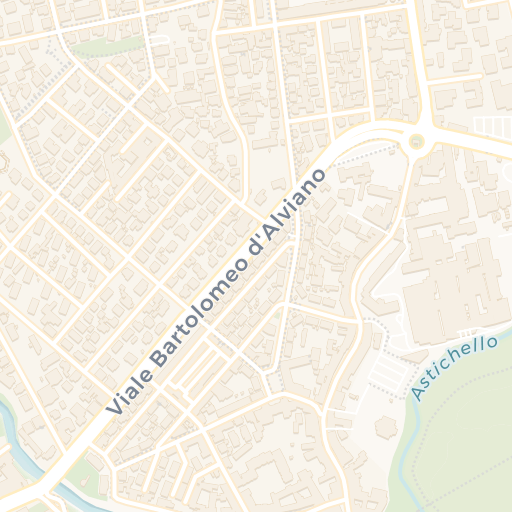
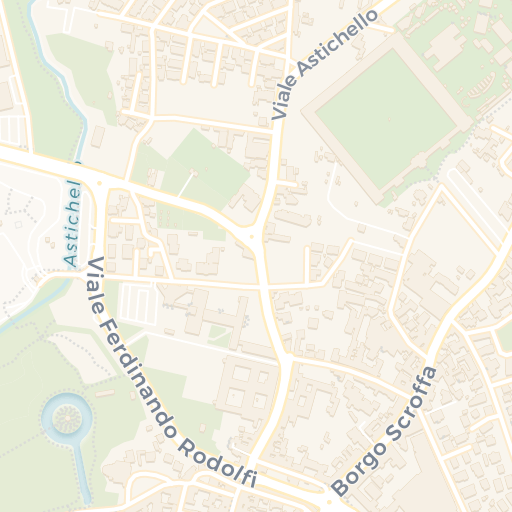
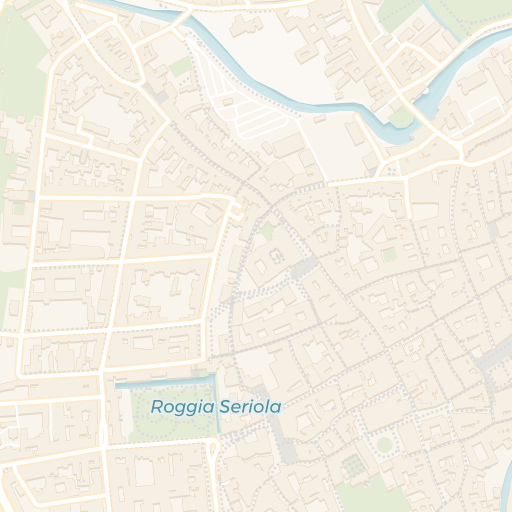
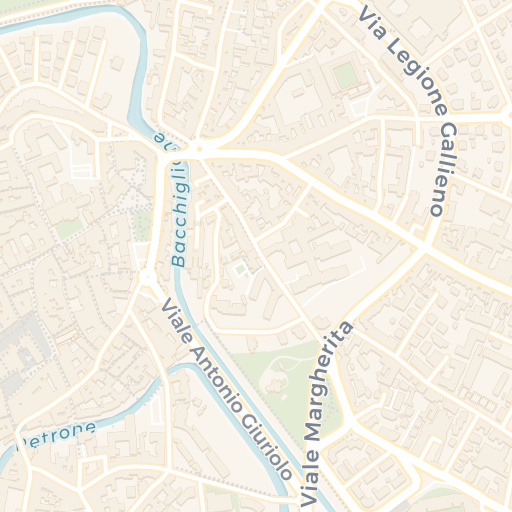
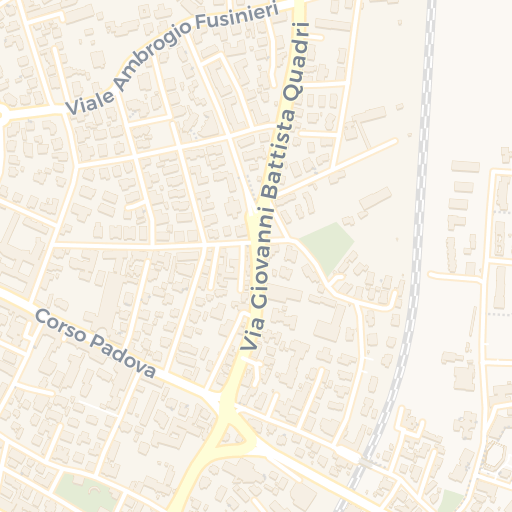
Get directions Open in Apple Maps
© OpenStreetMap contributors · © CARTO · 45.5497, 11.5486
Plan your visit
Ticketed, and included in Vicenza's Card Musei alongside Palazzo Chiericati and the other civic museums -- the card costs little more than two single entries and is the sensible option. The theatre keeps museum hours and closes Mondays outside peak season. It is a ten-minute walk from Vicenza railway station along the Corso.
Photography is permitted without flash. Allow 45 minutes; the interior is small but rewards sitting down in the cavea rather than circling it.
When to visit
Morning, and early, is best: the room is small and a single tour group fills it.
The annual performance season is the exception worth planning around. Seeing the set lit for a production rather than under working light is a different experience entirely, and tickets are limited by the same conservation constraints that limit everything here.
The interior is artificially lit, so weather makes no difference -- one of the few sights in the Veneto where a grey winter day costs you nothing.