

Basilica Palladiana
Last updated on September 7, 2026Overview
The Basilica Palladiana is the building that made Andrea Palladio's name. It is not a church: it is Vicenza's medieval town hall, which by 1500 was structurally failing, wrapped from 1549 in a two-storey white marble loggia that solved the engineering problem and produced one of the defining facades of the Renaissance.
Quick facts
- Type: Historic Place, Building
- Local name: Basilica Palladiana (vedi la pagina italiana)
- Built: 1549-1614
- Designed by: Andrea Palladio
- Architectural style: Renaissance
- Palladio's first public commission: Won in 1549 after decades of failed proposals by Sansovino, Serlio, Sanmicheli and Giulio Romano; it made his reputation.
- The Palladian window: The repeated arch-and-columns module here, the serliana, absorbs the crooked medieval bays behind it and is now named after him.
- UNESCO World Heritage Site: Yes
Visit responsibly
This is a rebuilt building, not a surviving one -- the roof and much of the interior date from after 1945 -- and the ticket income from the upper floor pays for maintaining that reconstruction.
The ground loggia is a public passage that Vicentines use daily, and the terrace fills with people in the evening; treating it as a thoroughfare rather than a monument is closer to what it has always been.
Where it is
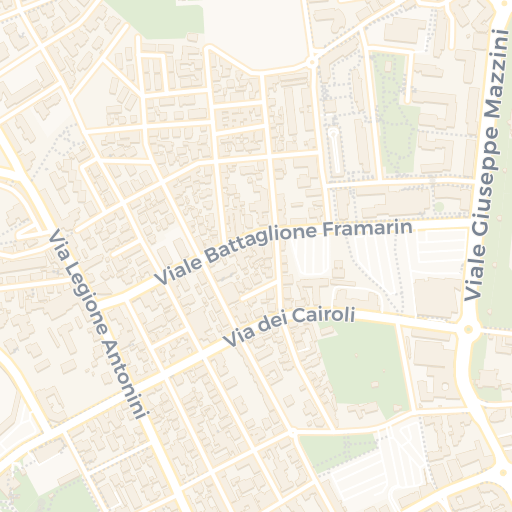
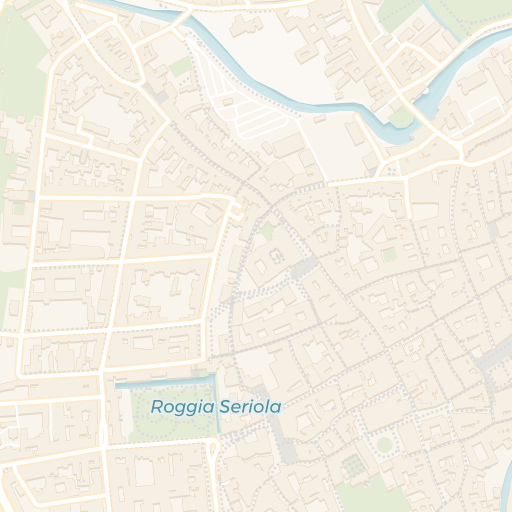
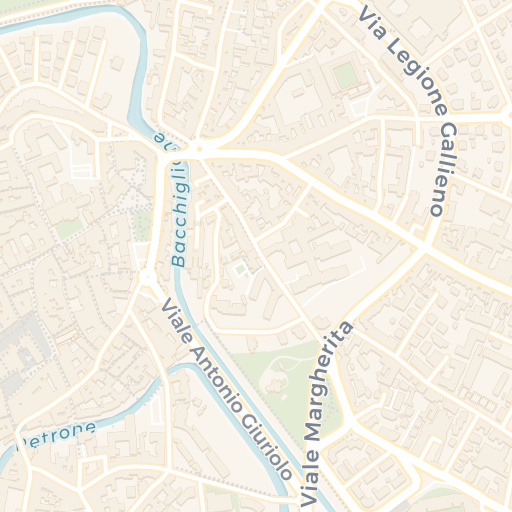
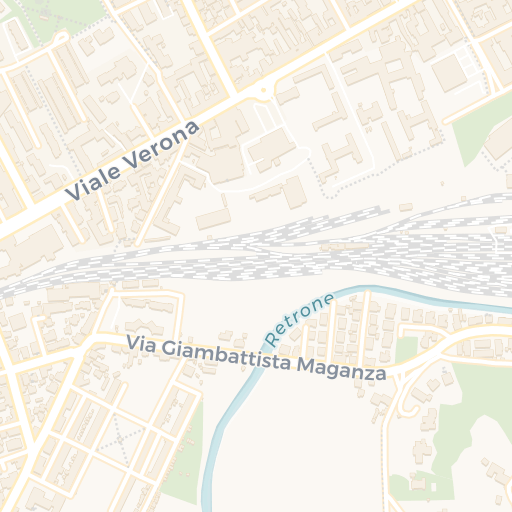
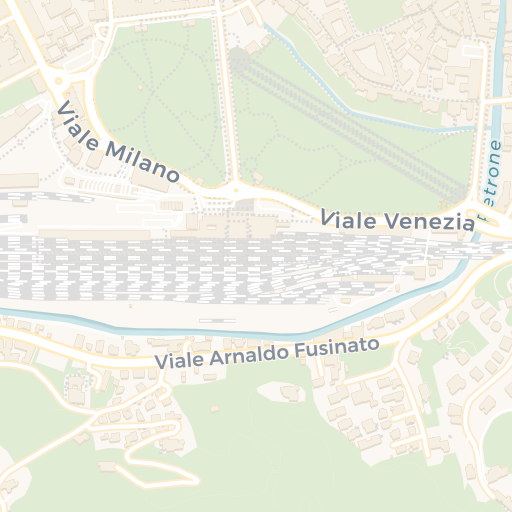
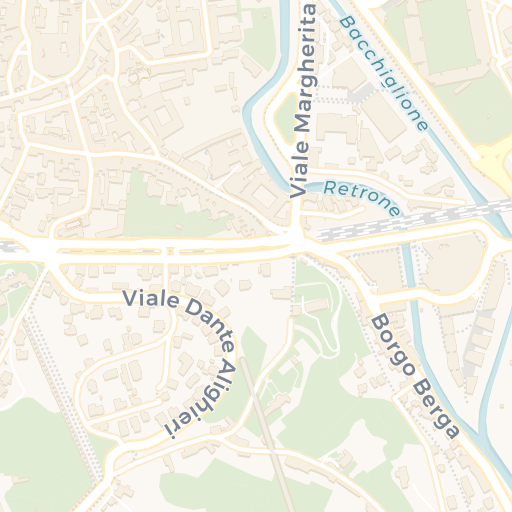
Get directions Open in Apple Maps
© OpenStreetMap contributors · © CARTO · 45.547, 11.546
Plan your visit
The ground-level loggia and the terrace are free and open. The upper loggia and the great hall are ticketed, with the hall's opening tied to whichever exhibition is running -- worth checking before a trip planned around it, since between shows the interior can be closed.
It stands mid-way along Corso Andrea Palladio, ten minutes' walk from the railway station. The civic Card Musei covers it alongside the Teatro Olimpico and Palazzo Chiericati.
When to visit
Late afternoon, when low sun crosses the loggia and the shadows make the depth of the arcade legible -- flat midday light collapses it. The building is floodlit at night and is genuinely worth a second visit after dark.
Exhibition seasons determine access to the interior; the loggia itself is available year-round in any weather, being covered.