

Scavi Scaligeri
Last updated on November 9, 2026Beneath the courtyard of the law courts, a few steps from Piazza dei Signori, lies an excavated slice of Verona going down through the medieval city to the Roman one.
It was found during building works in the 1980s and left open. Roman houses, mosaic floors, streets and drains sit below later Scaliger foundations, all under a modern roof.
Unusually, the space is used rather than merely displayed: it houses the city's international photography centre, and exhibitions are hung among the ruins.
Challenge to visitors
Opening is tied to the exhibition programme rather than to museum hours, and between shows the site shuts altogether — it has been closed to the public since 2 November 2026 while the next exhibition goes in. This is the one place in Verona where turning up unchecked is likely to waste the trip.
What is on show is stratigraphy left where it was found rather than objects in cases, which is a harder thing to read than a museum display. And the way in is a staircase down into the excavation; the site is listed as accessible to disabled visitors but nobody publishes how, so that needs a phone call rather than an assumption.
Visiting tips and strategy
When to go
Whenever an exhibition is running -- that is the operative constraint, and it is worth checking the programme rather than turning up.
Summer afternoons have a practical appeal: it is underground and cool, and Verona above is punishing in July and August.
Any season otherwise; the site is entirely indoors.
Weekday afternoons are quietest.
Getting the good version
Check the exhibition programme before you travel. Opening here is tied to whatever is installed rather than to museum hours, and between shows the site closes entirely — as it is now, since 2 November 2026. Establish that first; nothing else about the visit matters if the door is shut.
Once inside, read it as depth rather than as objects: Roman houses, a mosaic floor with geometric and animal motifs, a paved limestone street and its vaulted drain, with medieval tombs and Scaliger foundations driven down through them from above. Allow three quarters of an hour.
If the stairs are a problem, ring before you go rather than on arrival — the descent into the excavation is by staircase, and how disabled access is arranged is not something the site publishes.
What it costs
A ticket is charged and nobody publishes the price. The Veneto archaeological inventory records only that admission is ticketed and that the site opens during exhibition hours; neither it nor the comune lists a tariff, which moves with whatever show is installed.
At the moment there is nothing to buy. The comune states that the site has been closed to the public since 2 November 2026 while the next exhibition is installed, and gives no reopening date. That is this venue's normal rhythm rather than an interruption of it — an exhibition space that happens to stand inside an excavation shuts between shows.
So the cost question here is really a timing question. Establish that something is open before you build an afternoon around it, on +39 045 8013732 or scaviscaligeri@comune.verona.it, and ask the price of the current show in the same call. Whether a Verona Card covers it is not published either, so that is worth asking at the same time rather than assuming.
Verified against Comune di Verona, November 2026.
Getting there and getting in
Opening is tied to the exhibition programme, not to fixed museum hours. Between shows the site closes entirely: the comune records it as closed to the public since 2 November 2026 while the next exhibition is installed, with no reopening date announced. Check before making the trip, on +39 045 8013732 or scaviscaligeri@comune.verona.it.
Admission is charged when an exhibition is on. No tariff is published, and whether a Verona Card covers it is not published either — ask when you ring about the programme.
The entrance is in the Cortile del Tribunale, towards Piazza Viviani, a minute from Piazza dei Signori and the Arche Scaligere. The administrative address, cortile Mercato Vecchio 8, is a different door and not where you go in.
Allow forty-five minutes to an hour, depending on the exhibition. There are toilets inside the archaeological area and a bookshop, and the panels are in Italian and English.
The site is underground and entered by a staircase; the walkways below are level. It is listed as accessible to disabled visitors, but how that is arranged is not published, so ask in advance rather than on arrival.
Verified against ArcheoVeneto, November 2026.
Place accessibility
The only documented way in is a staircase. The entrance is in the Cortile del Tribunale, on the Piazza Viviani side, and the comune's own account of the visit begins by going down the stairs into the excavation. Once you are down, the route itself is level — raised metal walkways carry you above the Roman floors rather than across them.
Disabled access is recorded but never described. The Veneto archaeological inventory lists this site as having disabled accessibility, along with toilets inside the excavation and a bookshop. Neither that inventory nor the comune says how the access works — whether by a lift, a separate entrance, or staff assistance — so the useful thing is to ask before travelling, on +39 045 8013732 or scaviscaligeri@comune.verona.it. They are the same people to ring about the exhibition programme, so it is one call.
Not published, and not guessed: whether any lift serves the descent, and whether the walkways stay wide enough for a wheelchair along their whole length.
The site is entirely indoors and artificially lit. That makes the surface even and the temperature steady, but the light is low throughout, which matters if you read by it.
Quick facts
- Type: Historic Place
- Local name: Scavi Scaligeri (vedi la pagina italiana)
- Reservation: Not required — tickets on the door
- Typical visit: About 40 minutes
- Built: Roman to medieval layers; excavated from the 1980s
- A gallery inside an excavation: Rather than roofing the site as a conventional museum, the city made it the Centro Internazionale di Fotografia -- so exhibitions hang among Roman mosaics, and opening follows the exhibition calendar.
- The city in cross-section: Roman houses, mosaics and a paved street lie beneath Scaliger foundations cut down into them, with the modern courtyard overhead.
Where it is
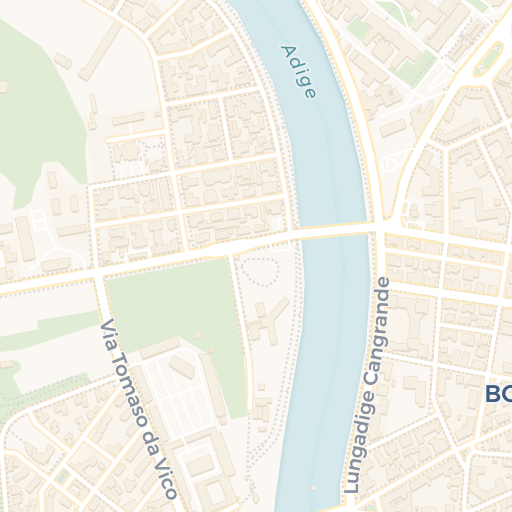
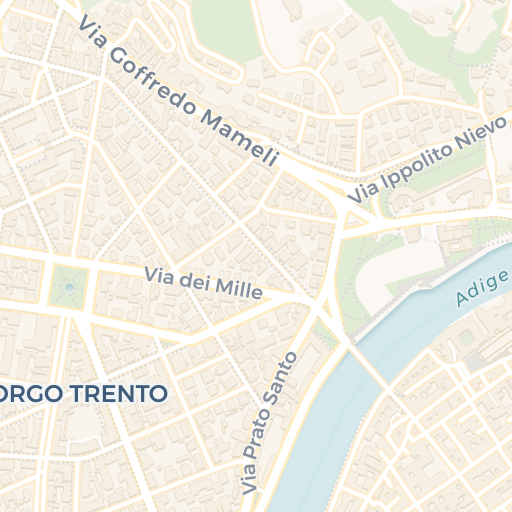
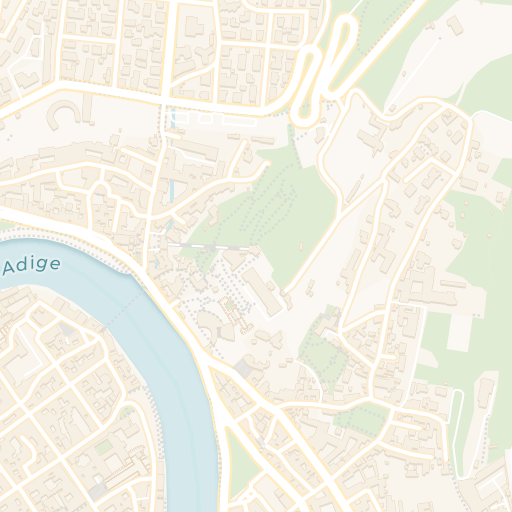
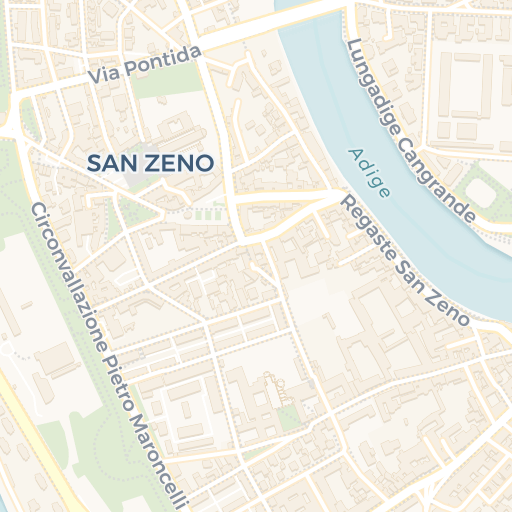
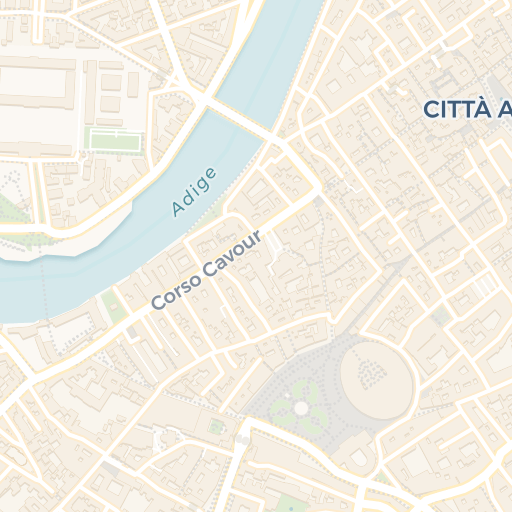
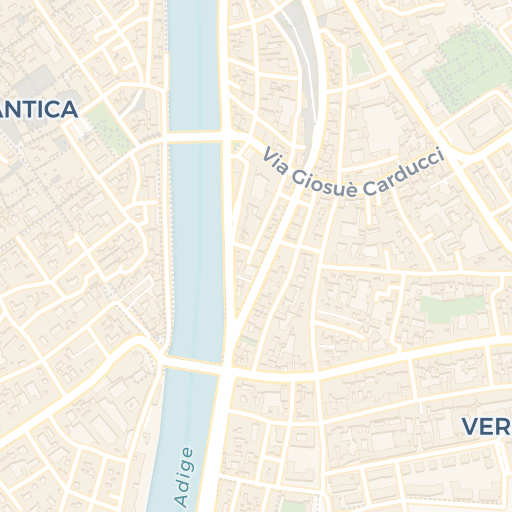
Get directions Open in Apple Maps
© OpenStreetMap contributors · © CARTO · 45.4436, 10.9969
Visit responsibly
Stay on the walkways. They exist so that no one walks on Roman mosaic, and the archaeology below them is not barriered off in the way a museum case would be.
Photography rules follow whatever exhibition is installed -- often no photography at all, given the work on show. Ask rather than assume.
Do not touch the masonry or the mosaic edges.
Buying a ticket, or using the Verona Card, is what keeps an excavation of this kind open and staffed rather than sealed and backfilled.