

House of Juliet
Last updated on November 8, 2026Hours verified November 2026
Casa di Giulietta is a medieval building adapted in the twentieth century as a museum devoted to Verona's association with Shakespeare's fictional lovers. It was once connected with the Cappello family, whose name helped later tradition associate the house with the Capulets, but it is not the documented home of a historical Juliet.
The familiar courtyard and balcony are products of the site's modern transformation into a literary attraction. Visitors come for the staged atmosphere, museum displays and the long popular tradition surrounding Romeo and Juliet. The site is best understood as a piece of cultural history: it shows how fiction, tourism and civic identity can create a landmark.
Challenge to visitors
The courtyard is not free any more, and Via Cappello is the exit. Since 1 April 2026 the only way in to the courtyard and the house is through the Teatro Nuovo in Piazzetta Navona, on a one-way route that ends at the archway on Via Cappello. Almost every guidebook, blog and map still sends people to the archway, where they cannot get in.
And there is no ticket office. Tickets exist only online, at verona.coopculture.it. Arriving without one is not a queue, it is a dead end — and the booking is compulsory even if you are entitled to go in free, VeronaCard holders included. Entry is capped by timed slot, the last sale is at 18:30, and on days when the Teatro Nuovo has a performance the available slots shrink.
Verified against Comune di Verona, November 2026.
Visiting tips and strategy
When to go
First thing in the morning is the only way to see the courtyard without a crowd. This is among the most visited spots in Italy, and from mid-morning it is genuinely packed.
Weekday mornings outside July and August are the realistic best case.
Evenings after the museum closes let you see the courtyard quietly, though you cannot go inside the house.
Around Valentine’s Day Verona runs a festival and the house is at its busiest of the year.
Book before you plan the day. Since 1 April 2026 entry is by advance online booking only, including for VeronaCard holders, and the courtyard is no longer simply walked into as it was for decades. Check the official page for what each ticket covers rather than relying on older advice, including other travellers’.
Getting the good version
Book before you leave home, and check which of the two tickets you are buying — one covers the courtyard, one includes the house. Nothing is sold at the door.
Go in through the Teatro Nuovo in Piazzetta Navona. The archway on Via Cappello that everybody photographs is the exit, and queueing at it is the commonest wasted ten minutes here. Take the first slot of the day if you want the courtyard with air in it.
What it costs
Two tickets, and the cheaper one does not include the house.
- €5.00 — Teatro Nuovo (monumental hall and foyer) and the courtyard
- €12.00 — the same, plus the Casa di Giulietta itself
Free for children up to their fifth birthday, tour guides working professionally, holders of a Disability Card and their companion, and VeronaCard holders. The youth 18–25 reduction that applies at Verona's other civic museums does not apply here, and neither does the €1 first-Sunday rate.
Online only, at verona.coopculture.it. There is no ticket desk at the entrance and no way to buy a VeronaCard on site. A free entitlement still has to be booked as a slot.
Getting there and getting in
Admission: €5–€12 · €5.00 for the Teatro Nuovo and courtyard, €12.00 including the house. Online only — there is no ticket office on site
Prices verified November 2026
In from Piazzetta Navona, out onto Via Cappello. The doors are the Teatro Nuovo's, on the little square, where multilingual staff meet visitors and an installation in the theatre's historic rooms introduces the Juliet story before you reach anything medieval.
The route runs one way only: the theatre's monumental hall and foyer, then the courtyard, then — on the full ticket — the house. It ends at the archway at Via Cappello 23. You cannot double back, so see the courtyard properly on the way through.
The closing sequence is staggered, and it is tighter than the 19:00 closing time suggests: last sale 18:30, last entry from Piazzetta Navona 18:35, last entry into the house 18:40, everyone out by 18:55.
Verified against Comune di Verona, November 2026.
Place accessibility
Free entry for a Disability Card holder and their companion, and like every other entitlement here it has to be booked online as a timed slot — there is no desk at the entrance to arrange it on arrival.
The route is one-way and runs through a nineteenth-century theatre into a medieval house, which means stairs: the house is visited over several floors. The courtyard itself is at ground level off the foyer.
What the comune does not publish, and we are not going to guess: whether the courtyard can be reached step-free from Piazzetta Navona, whether the house floors have a lift, and what the exit at Via Cappello 23 involves. The museum service publishes an accessibility declaration and takes enquiries; ask before booking a slot, and we will record the answer here.
Quick facts
- Type: Historic Place, Famous Person Site
- Local name: Casa di Giulietta (vedi la pagina italiana)
- Visitor access: Open to visitors
- Admission: €5–€12
- Reservation: Required — book before arriving
- Built: 13th century; balcony added in the 1930s
- Built for: a Verona merchant family, the dal Cappello
- Architectural style: Gothic
- The balcony is modern: It was added in the 1930s by Antonio Avena, director of Verona’s museums, using a fragment of a fourteenth-century sarcophagus. No balcony appears in Shakespeare’s text either.
- Chosen for a family name: The house belonged to the dal Cappello family, whose name resembled Shakespeare’s Capulets closely enough for the city to buy the building in 1907 and identify it as Juliet’s.
Where it is
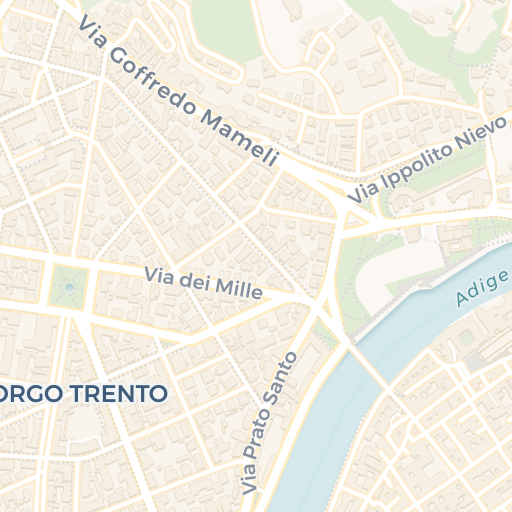
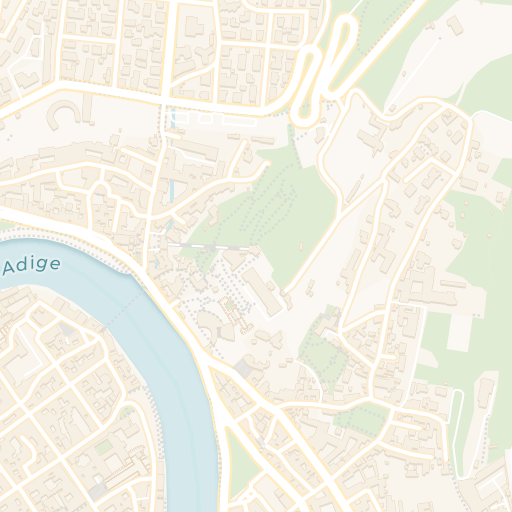
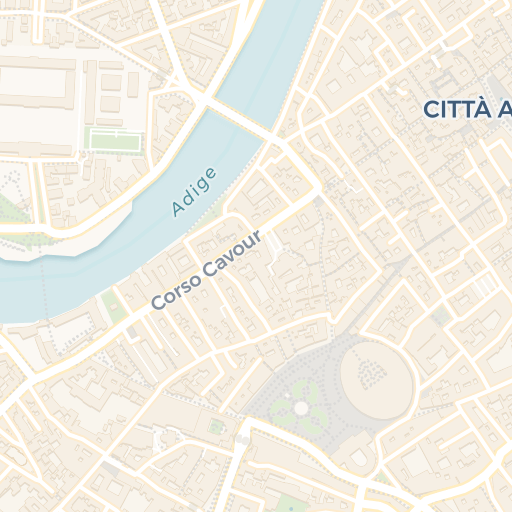
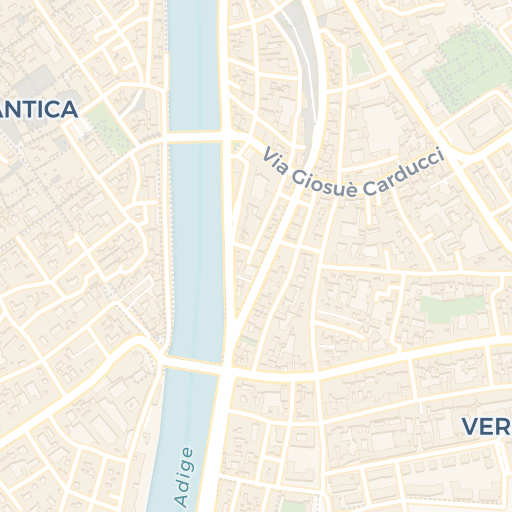
Get directions Open in Apple Maps
© OpenStreetMap contributors · © CARTO · 45.44201, 10.99862
Visit responsibly
Writing on walls, attaching notes and leaving locks outside designated systems damages surfaces and creates a surprising amount of waste. The entrance passage and courtyard are compact, so leaving room for others also makes the visit calmer. Beyond the doorway, Via Cappello remains part of a lived city rather than an extension of the attraction.