

Arena di Verona
Last updated on November 9, 2026Hours verified November 2026
The Arena di Verona is a Roman amphitheatre built in the first half of the first century A.D. and still in use for performances — the only Roman amphitheatre never to have fallen out of service. Its elliptical structure stood just outside the Roman city walls and could once hold some 30,000 spectators; a modern audience of about 22,000 sits on the same tiers under today’s safety limits.
Only the four-arch section known as the Ala, or Wing, survives from the monumental outer ring. What a visitor sees from Piazza Bra is therefore the second ring, the wall the outer facade once concealed, exposed by the earthquake of 1117 and by centuries of the fallen stone being carted away for building.
The Arena now serves two distinct roles: an archaeological monument open for daytime visits, and a major open-air venue whose opera tradition began with Verdi’s Aida in 1913.
Challenge to visitors
The daytime visit and the evening performance are two different things that happen in the same building: separate tickets, separate entrances, and one does not admit you to the other. From spring into autumn the staging makes this worse rather than better — on performance days the daytime visit closes in the early afternoon while the set goes up, so the monument is least available in the season most people come.
Inside, the upper gradinata is bare unnumbered stone with no backs, which matters over a three-hour opera. And the outer ring is largely gone: four arches of it survive as the Ala, so anyone arriving with the Colosseum in mind will find the silhouette unexpectedly complete and the outer wall unexpectedly absent.
Visiting tips and strategy
When to go
The opera festival runs roughly from mid-June to early September, and this is when the Arena draws its largest crowds, both for performances and for daytime visits in the surrounding hours. Visitors who want to see the amphitheater without a performance crowd tend to prefer late spring or early autumn, just outside festival season, when daytime access is less restricted by evening staging setup.
Within festival season, early dates in June and weeknight performances generally see smaller crowds than the peak weeks of July and August or weekend dates.
Verified against Comune di Verona, October 2026.
Getting the good version
Check the performance calendar before you choose the day, not after. On a performance day in season the daytime visit shuts in the early afternoon while the set goes up, and the daytime ticket does not admit you to the evening.
Arrive in the first hour after opening, go straight up to the top tier and look back down. The shape is the point of the building and it only reads from above. Then come back out to Piazza Bra and look at the Ala, the four surviving arches of the outer ring — that part is free and most people photograph it without knowing what it is.
What it costs
What is free
The exterior. The Ala — the four surviving arches of the outer ring — and the whole second ring that faces Piazza Bra are read from the open square, free, at any hour. On performance nights the square itself fills with people who have come to listen from outside.
The boundary is the ticket control on the Piazza Bra side. Everything past it is the interior visit: the arena floor, the tiers and the vaulted passages of the second ring.
Getting there and getting in
Admission: €12 · Reduced €9.00; 18–25s €3.00; €1.00 on the first Sunday of the month, November to March; free under 18, disabled visitors and companion, VeronaCard, My IMUV Card
Prices verified November 2026
Which visit are you making
Daytime sightseeing and an evening performance are separate tickets, separate entrances and separate experiences. Buying one does not admit you to the other, and this is the most common mistake made here.
Timing, and the trap that catches people
Best: the first hour after opening, on a day with no performance. The floor is clear, the tiers are empty, and the stone has not yet taken the heat.
Avoid: the afternoon of a performance day in the summer season. From spring into autumn, stage construction and events restrict the monument and shorten daytime opening — on many performance days the daytime visit closes in the early afternoon while the set goes up. The official Arena calendar is the only reliable source for a specific date; check it before fixing the day, not after.
Seating, if you are coming for a performance
The unreserved gradinata — the upper stone steps — is the cheapest seat and the closest thing to the Roman experience: bare stone, no backs, no numbers. Places are taken in order of arrival, so come early. Cushions are rented at the entrance and are worth it over a three-hour opera. Candles are handed out before curtain-up because those tiers have no lighting of their own.
Access and footing
Many routes and seating areas involve steep, worn stone steps, and shade is limited at any hour. Accessibility changes with temporary installations through the season, so visitors with mobility needs should confirm the available route for their specific date in advance rather than relying on a general description.
Verified against ArcheoVeneto, November 2026.
Place accessibility
Free entry for a disabled visitor and their companion.
The surface is the main thing. Many routes and seating areas are steep, worn stone steps — the tiers a modern audience sits on are part Roman and part nineteenth-century restoration cut to the same profile — and there is little shade anywhere in the bowl at any hour.
It changes through the year, and that is unusual enough to plan around. What is reachable depends on the temporary staging that goes up and comes down across the festival season, and the comune posts route restrictions from time to time — there are some in force from 27 October 2026. This is the one section on the page where a general description is not good enough: confirm the route available on your own date before you travel.
There are ramps, at the lower level. The Regione del Veneto archaeological catalogue records access ramps into the site at its lower level, along with toilets inside the amphitheatre and audio guides available at the entrance. That is the one published accessibility fact about this building, and it comes from the regional archaeological authority rather than from the museum service that sells the tickets.
What it does not answer: whether any route reaches the tiers above that level, where the accessible entrance is on a performance night, and whether accessible seating is allocated for the opera. The ramps get you into the lower level of a building whose whole point is the view from the top.
Verified against ArcheoVeneto, November 2026.
Quick facts
- Type: Famous Wonder, Site Complex, Ruins, Historic Place, Theatre, Roman
- Local name: Arena di Verona (vedi la pagina italiana)
- Visitor access: Open to visitors
- Admission: €12
- Built: 30 CE
- Built for: gladiatorial contests and public spectacles
- Architectural style: Roman
- Height: 30 m
- Capacity: 30000
- Opera festival founded: 1913
- Modern opera-era capacity: ~15,000 seats
- UNESCO World Heritage Site: Yes
Where it is
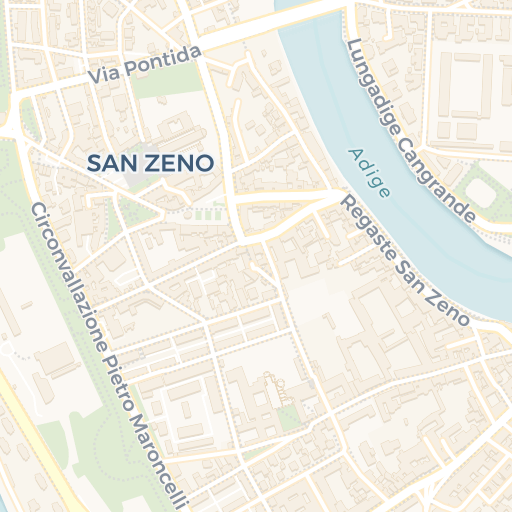
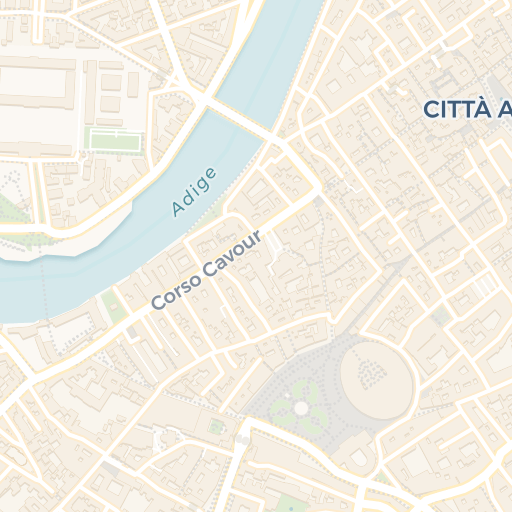
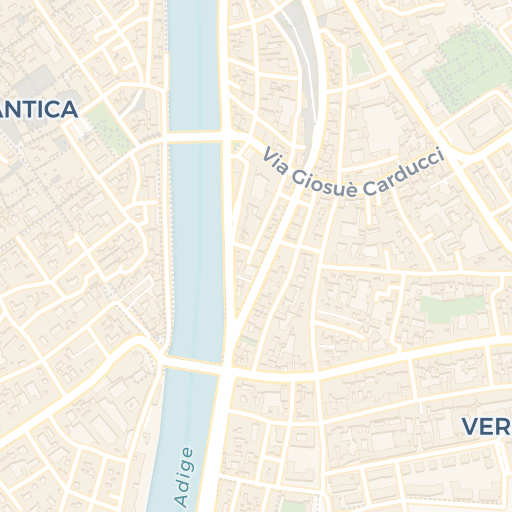
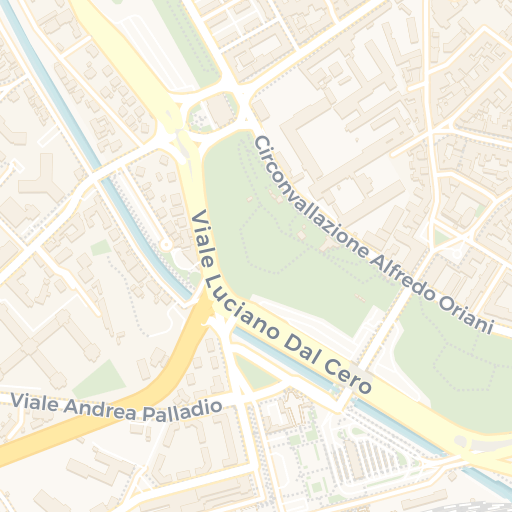
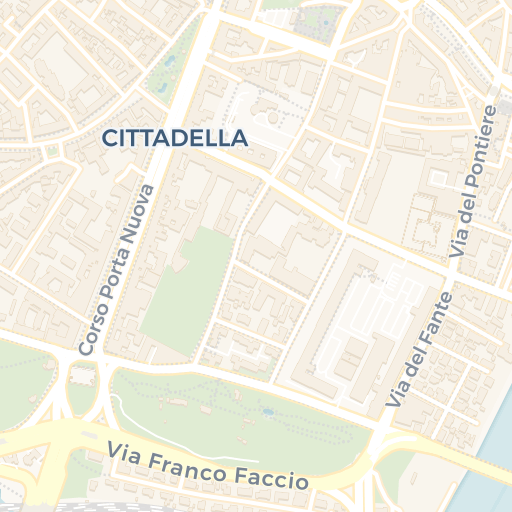
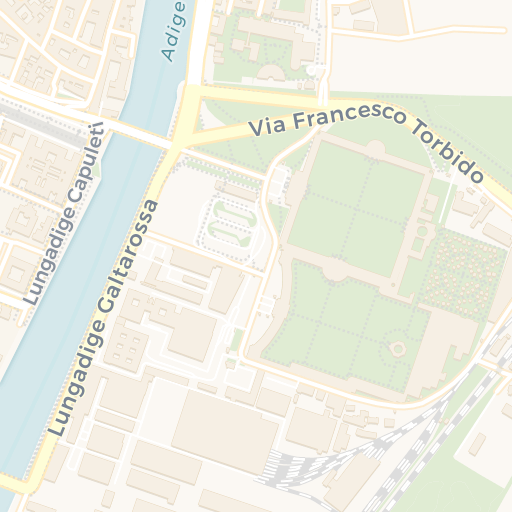
Get directions Open in Apple Maps
© OpenStreetMap contributors · © CARTO · 45.43902, 10.99493
Visit responsibly
The building is the venue, and that is the whole constraint. Nothing may be fixed to the Roman fabric, which is why staging is freestanding and why some masonry is fenced off while sets are installed and removed. Restricted stone is not part of the seating or the visitor route, and stepping past a barrier for a photograph puts weight on surfaces that are being actively conserved.
Rules change between the two uses. Photography, food, drink and bag policies differ between a daytime visit and a performance, and the performance rules are the stricter of the two. Check which applies to the visit you have booked rather than assuming yesterday’s answer holds.
The stone is the seating. The tiers a modern audience sits on are part Roman and part nineteenth-century restoration cut to the same profile. Rented cushions exist partly for comfort and partly because they put a layer between twenty-two thousand people and the original surface every night of the season.
Piazza Bra is a working square. The Arena empties late, into a residential centre. Leaving quietly after a performance costs nothing and is the single thing residents ask of an audience this size.