

Villa Serego
Last updated on September 8, 2026Overview
Villa Serego at Santa Sofia di Pedemonte, on the southern edge of Valpolicella, was designed by Andrea Palladio and never finished.
What was built is roughly a third of the intended house, and it does not look like the rest of his work. Instead of smooth columns and a temple front, the courtyard is ringed by massive rusticated columns -- each shaft built up from rough, irregular stone drums, so that the classical order appears half-quarried.
It is one of the twenty-four Palladian villas inscribed on the UNESCO World Heritage list, and among the least like the popular idea of Palladio.
Quick facts
- Type: Mansion
- Local name: Villa Serego (vedi la pagina italiana)
- Built: Designed 1560s; never completed
- Designed by: Andrea Palladio
- Architectural style: Renaissance
- Columns built from rough quarried drums: Palladio stacked irregular unfinished stone blocks into each shaft, so the classical order looks half-quarried -- unique in his built work.
- A third of a house: Only part of the design was built, but Palladio published the full scheme in the Quattro Libri, so exactly what is missing can be seen.
- UNESCO World Heritage Site: Yes
Visit responsibly
This is a private house on a working farm, not a public monument. Book, keep the appointment, and stay with the guide.
Do not climb on or lean against the columns. They are sixteenth-century masonry that has already spent centuries as farm structure.
If the visit includes a tasting, arrange a driver -- the roads here are narrow and the wines are strong.
Buying from the estate supports the hillside vineyards of the Classico zone, which are expensive to farm and steadily giving way to flat-land planting.
Where it is
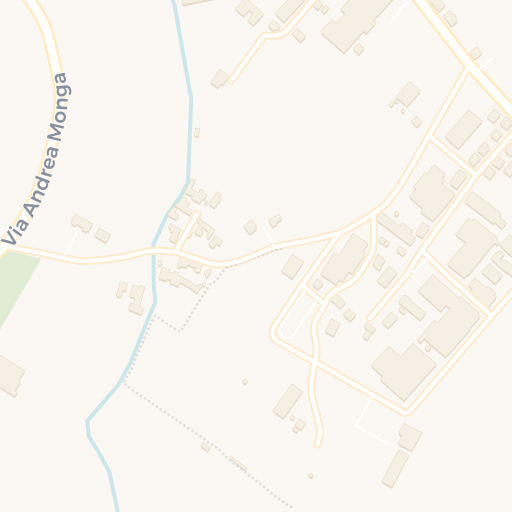
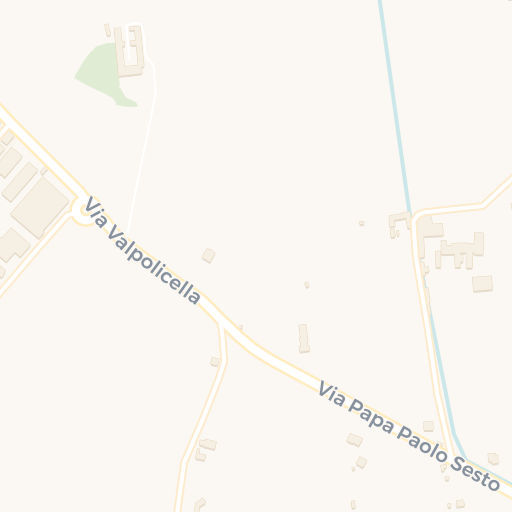
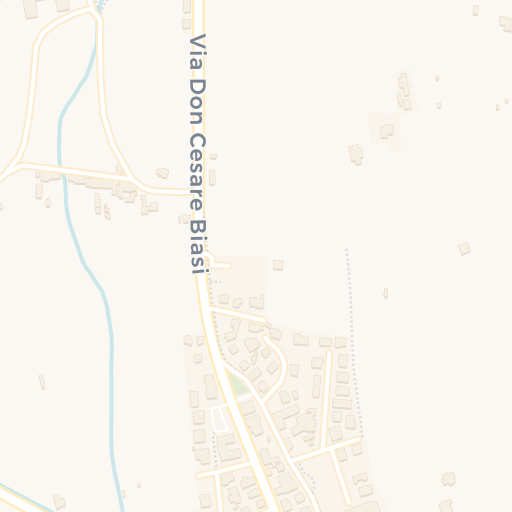
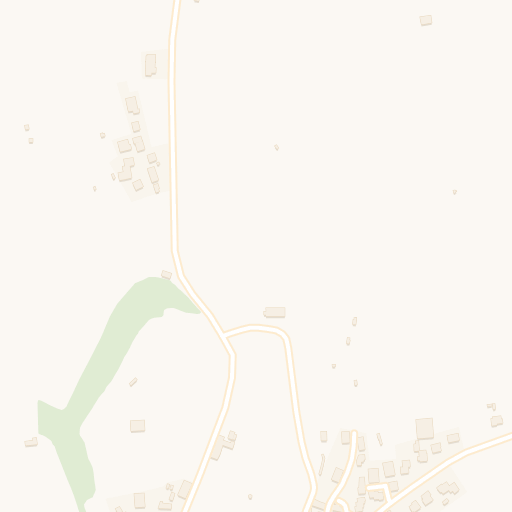
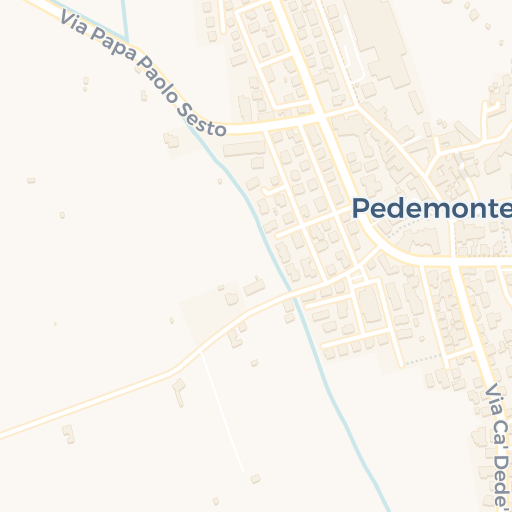
Get directions Open in Apple Maps
© OpenStreetMap contributors · © CARTO · 45.5058, 10.9061
Plan your visit
The villa is privately owned and part of a working wine estate. It is not freely open -- visits are by appointment, and are generally arranged through the estate as part of a wine visit.
Book ahead. Arriving unannounced will not get you in, and the fragment is largely invisible from the road.
It is at Pedemonte, about twenty minutes by car from Verona. There is no useful public transport.
Allow an hour, or ninety minutes with a tasting.
The courtyard is at ground level but the surfaces are old, uneven and agricultural; accessibility is limited and worth raising when booking.
When to visit
Spring and autumn are the best seasons, with the vineyard around it green or turning.
September and October add the harvest, when the estate is at its most active.
Midday sun flattens the rusticated columns; morning or late afternoon raking light shows the rough stone far better, which is the whole visual point of the building.
August is hot and many estates close for part of the month.
As with everything in Valpolicella, the practical answer is whenever the estate can take you.