

Peschiera del Garda Fortress
Last updated on September 10, 2026Overview
Peschiera sits where Lake Garda empties into the Mincio, at the southern end of the Veneto shore, and the whole town is inside a fortress.
Venice built the pentagonal enceinte in the sixteenth century, using the river to fill its ditches; Austria rebuilt and extended it in the nineteenth, making Peschiera one of the four corners of the Quadrilatero that held northern Italy.
In 2017 the fortifications were inscribed on the UNESCO World Heritage list, as part of the transnational listing covering Venice's defensive works. You can walk the walls, and the shape is clearest from the water.
Quick facts
- Type: Historic Place
- Local name: Fortezza di Peschiera del Garda (vedi la pagina italiana)
- Built: 16th century (Venetian); extended 19th century (Austrian)
- Architectural style: Bastioned fortification
- A fortress you can live in: The whole town sits inside the pentagonal enceinte, with the Mincio channelled through it to fill the ditches -- so water is both the defence and the street plan.
- One corner of the Quadrilatero: With Verona, Mantua and Legnago, Peschiera formed the Austrian defensive square that held Lombardy-Venetia through two wars of Italian independence.
- UNESCO World Heritage Site: Yes
Visit responsibly
This is a UNESCO site that people live in. The walls are not a monument behind a fence; they have houses against them and roads through them. Treat it as a working town.
Do not climb on the bastions or the gate structures outside marked routes. Brick fortification erodes at the edges, and the damage concentrates exactly where people scramble up.
Peschiera absorbs enormous summer traffic as the gateway to the southern lake. Arriving by train is genuinely easy here and is the single most useful choice a visitor can make.
The Mincio in the ditches is a living watercourse feeding the river below. Nothing goes into it.
Take the guided tour if one is running; the fortifications are maintained partly on that income.
Where it is
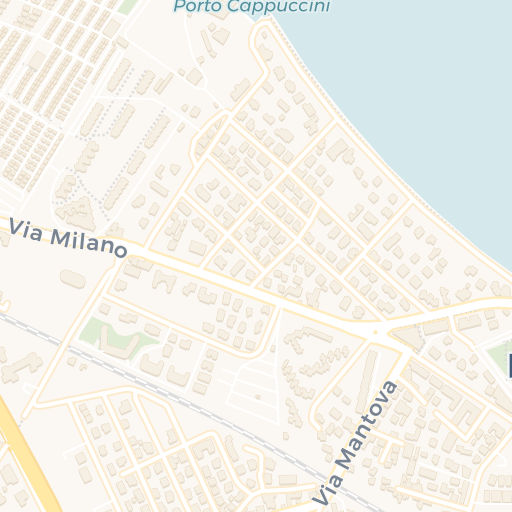
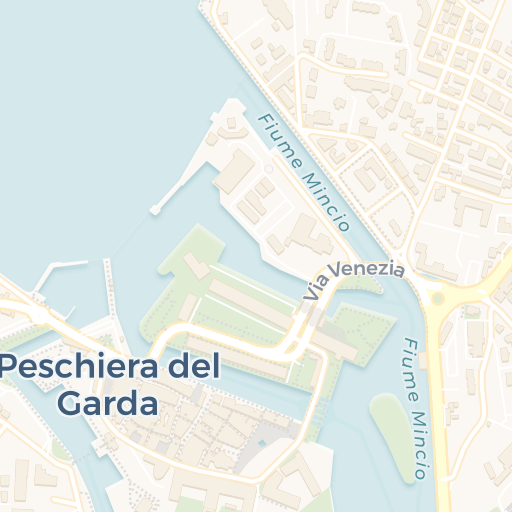
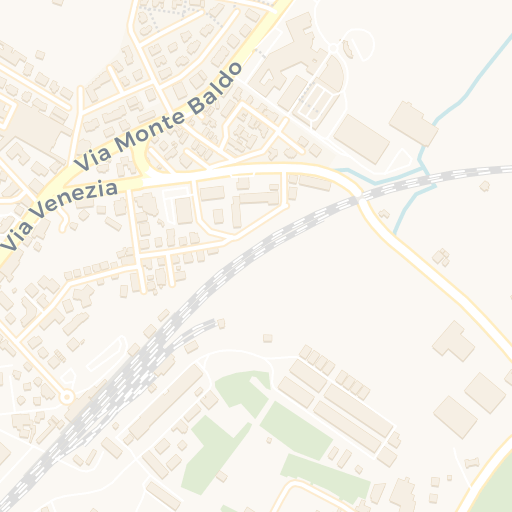
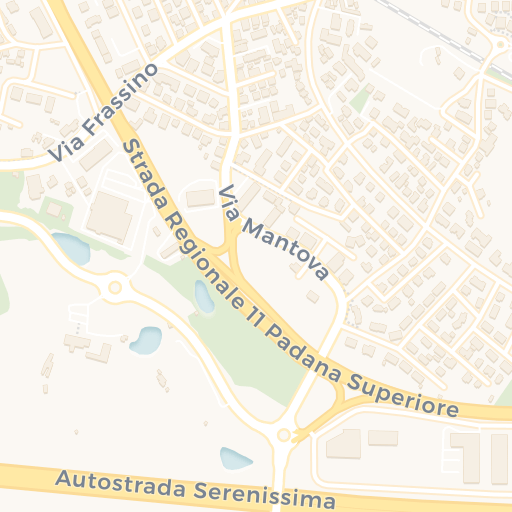
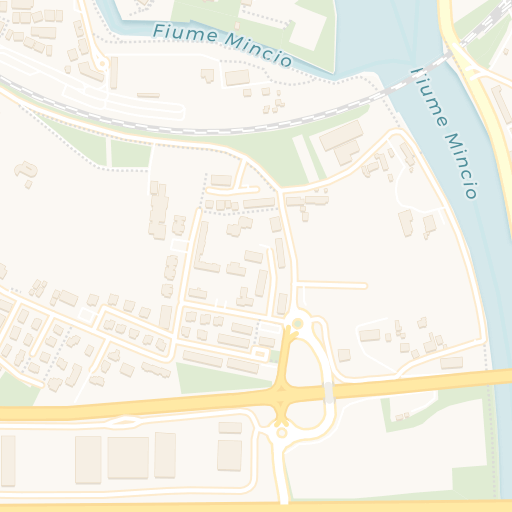
Get directions Open in Apple Maps
© OpenStreetMap contributors · © CARTO · 45.4394, 10.6919
Plan your visit
The fortress is a town, so it is free and always open -- the walls, the gates and the canals are public.
Peschiera has a railway station on the Milan-Venice line, which makes it the easiest place to reach on the whole lake: Verona is 15 minutes, Venice about 1 hour 30.
It is also the southern terminus of the lake ferries, so it works as the natural entry point to the shore.
Allow two hours for a walk round the walls and the centre.
The town and most of the wall walk are level and reasonably accessible, though some bastion sections have steps and rough surfaces.
Guided tours of the fortifications run in season and are worth taking -- bastioned geometry is much harder to read on your own than a castle is.
When to visit
May, June and September are the best -- warm, open, and without the August crush.
Early morning or evening for walking the walls; the ramparts are exposed and hot in the middle of a summer day.
Arriving or leaving by ferry at any time gives the view that makes sense of the plan.
July and August bring heavy traffic, since Peschiera is the gateway for the whole southern lake and for Gardaland.
Winter is quiet and the fortress is at its most legible with the vegetation down.