

Tempio Canoviano
Last updated on September 14, 2026Overview
The Tempio Canoviano is the parish church of Possagno, designed and paid for by Antonio Canova and built on the hillside above the village he was born in. He began it in 1819, died in 1822 without seeing it finished, and is buried inside it.
It is three buildings reconciled into one. The portico is Greek Doric, copied closely from the Parthenon. The body behind it is a rotunda derived from the Pantheon. Behind that is a Christian apse. Canova was designing from archaeology rather than from architectural convention, and the joins between the three are visible on purpose.
The result is a building no trained architect of the period would have produced — which is precisely why it is worth the climb.
Quick facts
- Type: Church, Sacred Place, Building, Historic Place
- Local name: Tempio Canoviano (vedi la pagina italiana)
- Built: 1819-1830
- Designed by: Antonio Canova, with Giovanni Antonio Selva
Visit responsibly
This is an active parish church as well as a national monument and a tomb. Services take priority over visitors at all times — if one is in progress, stay at the back or come back later.
Dress as you would for any Italian church: shoulders and knees covered.
Photography is generally tolerated without flash, but not during services.
The climb and the terrace are exposed, and there is no shade at the top. In summer bring water rather than relying on finding any up there.
Where it is
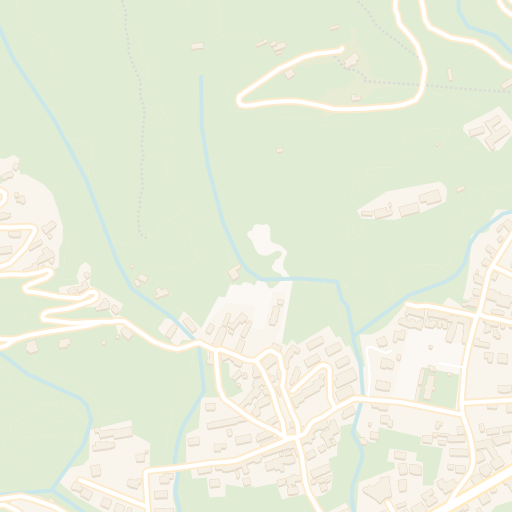
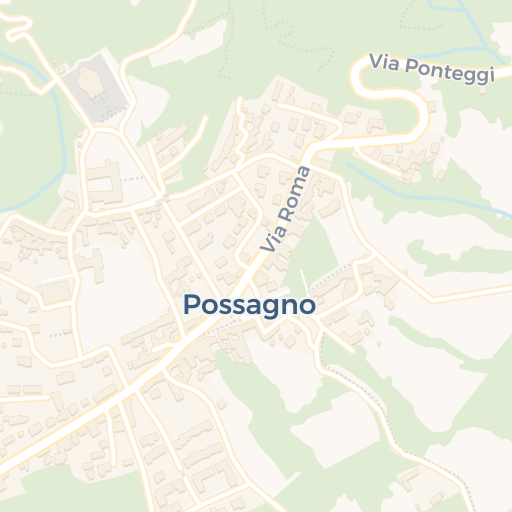
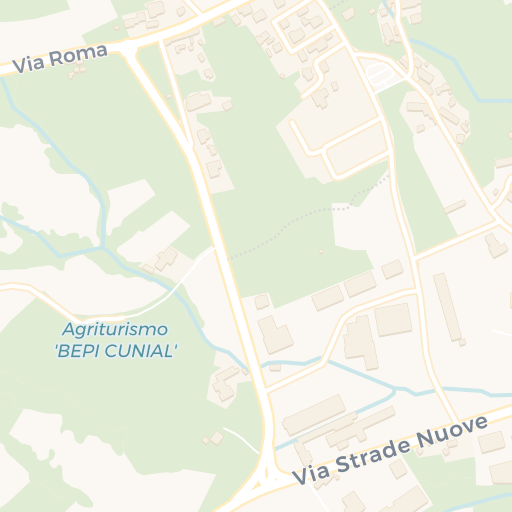
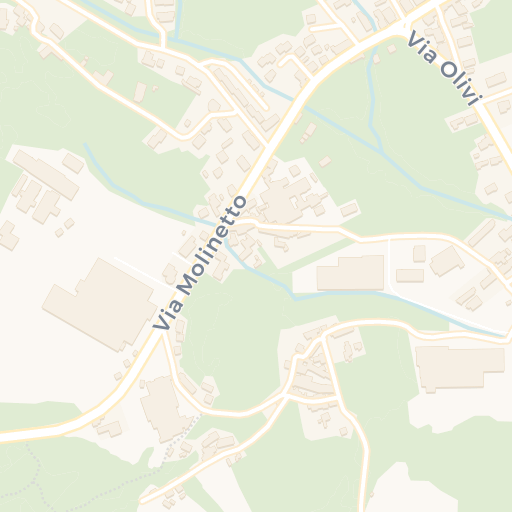
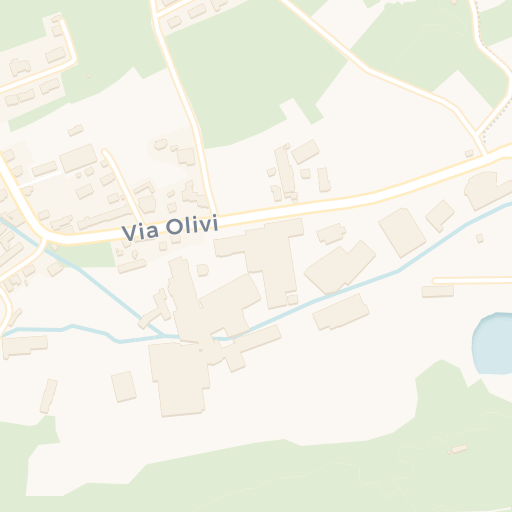
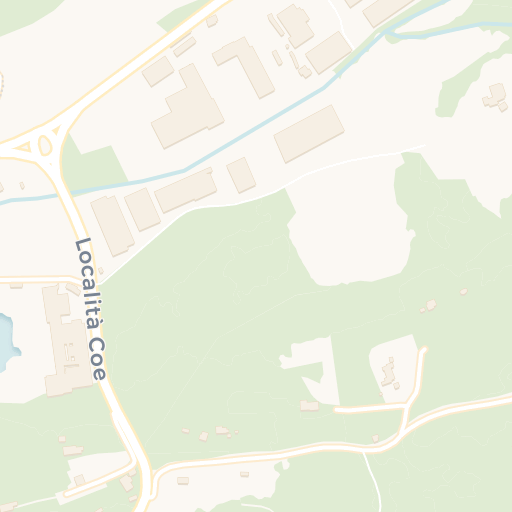
Get directions Open in Apple Maps
© OpenStreetMap contributors · © CARTO · 45.8551, 11.8812
Plan your visit
The Tempio is a working parish church and free to enter. It keeps its own hours — generally daylight, with a break around midday — and those are shorter in winter.
It is reached from the village by a long flight of steps up the hillside. There is a road that loops round to the terrace for anyone who cannot manage them, though parking at the top is very limited.
Allow 30 to 40 minutes. Combined with the Gypsotheca below, allow two hours for both.
Accessibility — the steps are the obvious barrier; the road round is the alternative. The interior itself is level once you are in.
It is a short walk from the Museo Gypsotheca Antonio Canova, and the two are always visited together.
When to visit
The interior is top-lit through the dome, so bright days transform it and grey days flatten it. This matters more than season.
Late morning puts the most light into the rotunda.
Spring and autumn give the clearest views from the terrace, which on a hazy summer afternoon show very little.
Unlike the museum below, the Tempio is not closed on Mondays — which makes a Monday visit to Possagno worth exactly one building rather than three.
Check before arriving if a service is scheduled; it remains a functioning parish church.