

Porto Caleri Coastal Botanical Garden
Last updated on September 8, 2026Overview
The botanical garden at Porto Caleri, near Rosolina at the northern edge of the Po Delta, is not a planted garden. It is a protected stretch of natural coast with a boardwalk through it.
What it does, in about an hour of walking, is take you through the full sequence of a natural Adriatic shoreline: open beach, foredune, fixed dune, dune slack, pine and holm-oak wood, and then the lagoon behind.
Almost all of this coast has been built over. Porto Caleri is one of the few places where the whole progression survives intact, which makes it the clearest possible explanation of how this shore is put together.
Quick facts
- Type: Garden
- Local name: Giardino Botanico Litoraneo di Porto Caleri (vedi la pagina italiana)
- A shoreline in cross-section: The walk crosses beach, foredune, fixed dune, slack, pine wood and lagoon in about an hour -- the full natural sequence, almost all of which has been built over elsewhere.
- The boardwalk is the conservation: Dune plants hold the sand in place and are destroyed by footfall faster than by anything else, which is why the route is raised throughout.
Visit responsibly
Stay on the boardwalks. Dune vegetation is what holds the sand in place, and it is destroyed by footfall faster than by anything else -- this is the entire reason the garden exists in the form it does.
Do not pick anything. Several of the dune species here are rare and are protected precisely because their habitat has nearly vanished from this coast.
Keep noise down and stay on the route near the lagoon, where birds nest on open ground in spring and early summer.
Take litter out with you, and come outside July and August if you can -- the whole Rosolina area is under heavy pressure in those weeks.
Where it is
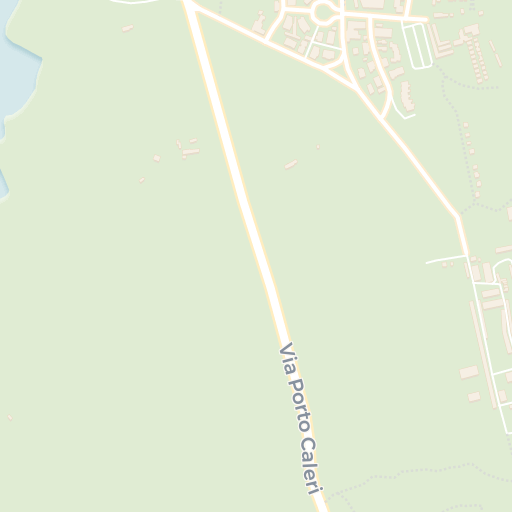


Get directions Open in Apple Maps
© OpenStreetMap contributors · © CARTO · 45.1131, 12.3358
Plan your visit
The garden charges a small admission and is open seasonally -- generally spring through early autumn, with limited days and hours outside the summer. Check before travelling.
It is near Rosolina Mare, reached by car; there is parking at the entrance. Public transport is not practical.
The marked route takes about an hour at an unhurried pace, and there are shorter loops.
Much of the route is on boardwalk and is reasonably level, though sections cross sand and are harder going; ask at the entrance about the accessible loop.
Bring water, sun protection and insect repellent -- mosquitoes here are serious from late spring.
When to visit
May and June are the best: the dune flora is in flower, the wood is green, and the heat and mosquitoes are not yet at their worst.
September is quieter and pleasant, with autumn bird migration on the lagoon behind.
Morning is better than afternoon -- cooler, and the birds are active.
July and August are hot and humid, and the nearby Rosolina Mare beaches are at their busiest.
Winter is largely closed.