

Torre dell'Orologio
Last updated on November 11, 2026The clock tower over Piazza dei Signori carries one of the oldest astronomical clocks in Europe, first built in 1344 and rebuilt in 1428 after the original was destroyed. Its gilded dial shows the hour, the phase of the moon and the sun's position in the zodiac -- and it shows only eleven zodiac signs, which is what most people end up talking about.
Challenge to visitors
It is a clock, read from the ground, and that is the whole of it. There is no ordinary visit to the inside; the tower is a face on a square, and visitors looking for an entrance are looking for something that is not part of how it is presented.
The dial is harder to read than it looks. It is astronomical rather than simply horological — the single hand, the zodiac ring and the lunar indication are not arranged the way a modern clock face trains you to expect.
And it is easily confused with Venice's. The Torre dell'Orologio on Piazza San Marco is a ticketed guided-visit monument; this one is a tower over a street, and the two are routinely mixed up in planning.
Visiting tips and strategy
When to go
Daylight, and preferably sun -- the dial is gilded and reads poorly under the flat grey of a Po Valley winter.
The square below is busiest in the early evening, which is pleasant for atmosphere and unhelpful for photography.
Getting the good version
Stand back before you look up. The dial is high and the square is long — from the far end of Piazza dei Signori the whole tower and face compose; from directly beneath it you see an arch and foreshortening.
Give the dial a minute to resolve. Find the hour first, then the zodiac ring, then the lunar indication. Read in that order it makes sense; read all at once it is decoration.
Walk through the arch. The street passes under the tower, and going through and turning back is the view that shows what the tower is doing — marking a gateway as much as telling the time.
It costs nothing and takes ten minutes, so fold it into the walk between the market squares and the Duomo rather than treating it as a stop.
What it costs
Nothing to see it, which is how it is seen. The tower stands over a public street on a public square and the dial is read from the ground at any hour.
No ordinary interior visit is published. The Comune lists the Torre dell'orologio among its monumental sites, but its register of ticketed venues — which gives hours, tariffs and accessible entrances for each — carries no admission arrangements for it.
Do not confuse it with the Venetian tower of the same name, which is a booked guided visit at €15.00. This one has no ticket because there is no visit to sell.
If an interior opening is ever scheduled it would appear through the municipal call centre on 049 2010020, which handles the city's monumental sites.
Verified against Musei Civici di Padova (Comune di Padova), November 2026.
Getting there and getting in
Admission: Free
Where it is
Closing the western end of Piazza dei Signori, with the street running through the arch at its base.
Hours and admission
Seen from the square, at any hour, for nothing. No ordinary interior visit is published by the Comune.
Not the Venetian one
Venice's Torre dell'Orologio is a separate monument on Piazza San Marco, visited only on a booked guided tour at €15.00. This is a different tower in a different city.
How long
Ten minutes, most of it spent working out the dial.
Place accessibility
Everything there is to see is seen from level public ground. The dial is read from Piazza dei Signori, which is an open paved square on the flat, and the arch at the tower's base is a street that goes through.
There is no interior visit to be excluded from, which — unusually — means this monument presents no access problem at all. The whole of it is available to anyone who can reach the square.
Distance is the only variable. The dial composes best from the far end of the square, so the useful position is the one furthest from the tower rather than closest to it.
Not published, and not guessed: the surface under the arch, and whether any interior opening is ever offered and on what terms.
Quick facts
- Type: Monument
- Local name: Torre dell'Orologio (vedi la pagina italiana)
- Admission: Free
- Built: 1344
- One of the oldest astronomical clocks: Built by Jacopo Dondi in 1344 and rebuilt in 1428 after a revolt destroyed the original mechanism.
- A dial without Libra: Eleven zodiac signs appear instead of twelve, which has attracted explanations for six centuries.
Where it is
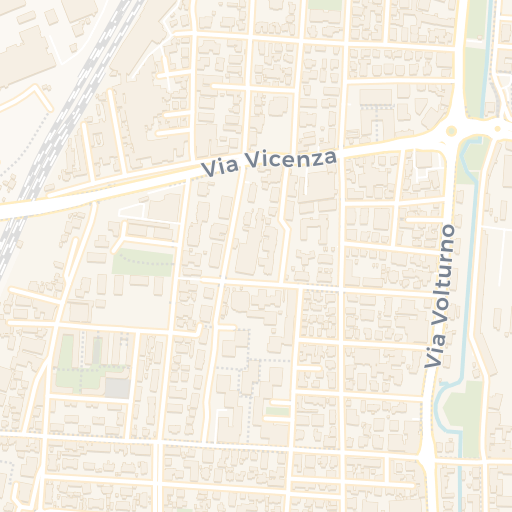
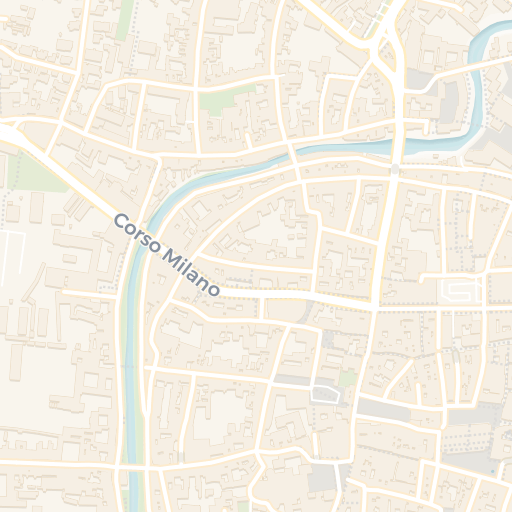
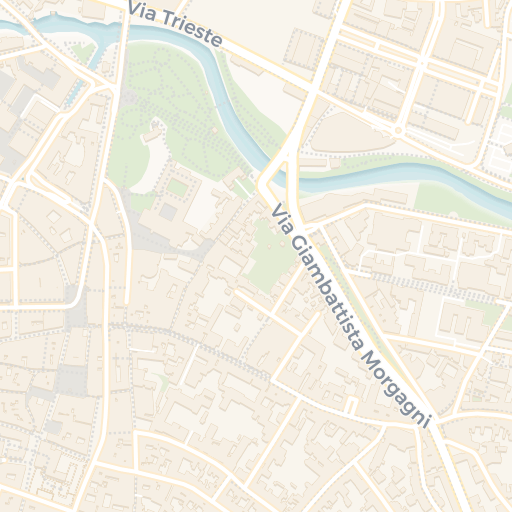
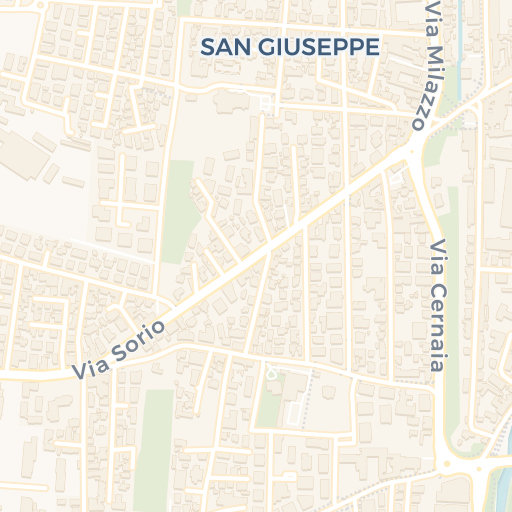
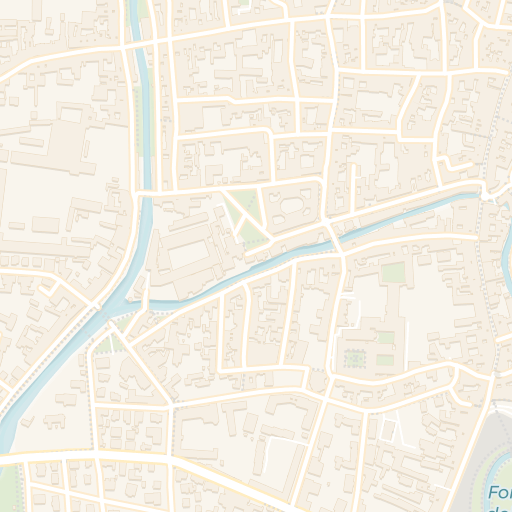
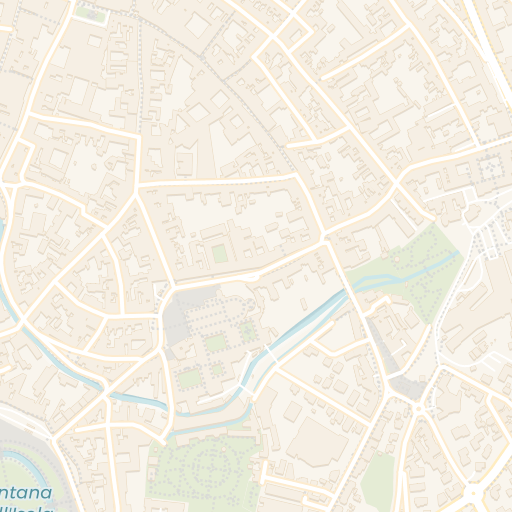
Get directions Open in Apple Maps
© OpenStreetMap contributors · © CARTO · 45.4078, 11.8726
Visit responsibly
Standing back in the square is the only way to see the dial properly, and it is a public space with no charge and no crowding problem.
The mechanism is medieval and still running; interior visits are small-group by necessity rather than exclusivity.