

Padua Cathedral and Baptistery
Last updated on September 7, 2026Overview
Padua's cathedral has a famously unfinished front -- bare brick where a facade was meant to go -- and most visitors walk past it. The small octagonal baptistery beside it is the reason to stop: its interior was frescoed in the 1370s by Giusto de' Menabuoi, wall to wall and dome included, and it survives virtually complete. It is one of the eight buildings UNESCO listed together in 2021 as Padua's fourteenth-century fresco cycles.
Quick facts
- Type: Church
- Local name: Duomo e Battistero di Padova (vedi la pagina italiana)
- Built: Baptistery 12th c., frescoed 1375-1378; cathedral rebuilt from 1552
- Designed by: Cathedral partly after Michelangelo's design
- Denomination: Roman Catholic
- Giusto de' Menabuoi's dome: The baptistery is frescoed floor to cupola with a Paradise of hundreds of figures, finished around 1378 and largely intact.
- The overlooked half: Most visitors see the plain cathedral and leave; the baptistery beside it is the reason to come.
Visit responsibly
The cathedral is a working parish and diocesan seat -- ordinary church courtesy applies, and services take precedence over looking.
The baptistery is a small enclosed room holding fragile 14th-century fresco. Numbers are capped, flash is prohibited, and both restrictions are about the paint rather than the atmosphere.
Buying the combined fresco-cycle card rather than a single ticket spreads the money across the eight listed buildings, several of which see a fraction of the Scrovegni's visitors and need it more.
Where it is
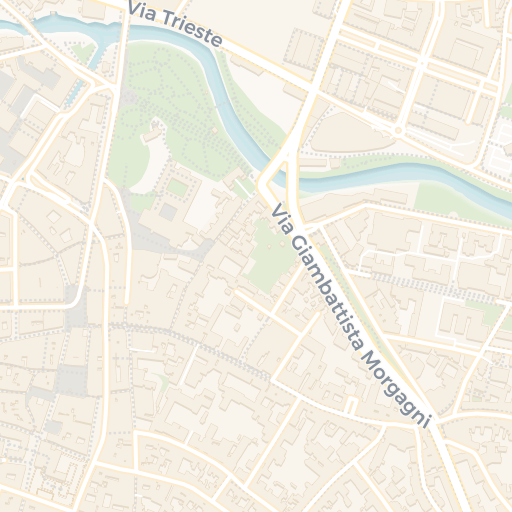
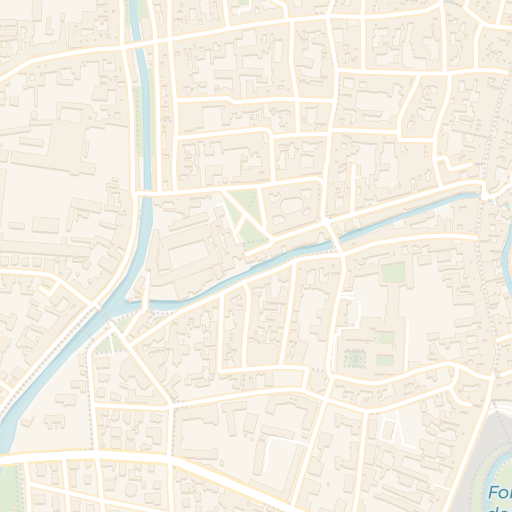
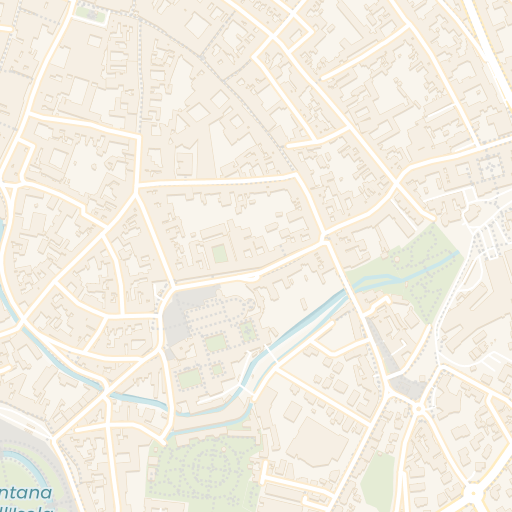
Get directions Open in Apple Maps
© OpenStreetMap contributors · © CARTO · 45.4066, 11.8717
Plan your visit
The cathedral is free to enter and keeps parish hours. The baptistery is ticketed separately and is included in the Padova Urbs Picta card alongside the Scrovegni Chapel and the Palazzo della Ragione. Entry numbers to the baptistery are limited at busy times because the room is small. It is about a fifteen-minute walk from the railway station, inside the ZTL.
When to visit
The baptistery is lit largely by its own small windows, so a bright day makes a real difference to the dome. Late morning is the best combination of light and low numbers.
It is far less crowded than the Scrovegni Chapel despite belonging to the same UNESCO inscription, and unlike the Scrovegni it does not usually require booking days ahead.
The cathedral closes for services in the middle of the day; the baptistery keeps museum hours and is unaffected.