

Caffè Pedrocchi
Last updated on September 7, 2026Overview
Caffè Pedrocchi opened in 1831 opposite the university and became known as il caffè senza porte -- the café without doors -- because it stayed open day and night and anyone could sit in its outer rooms without ordering anything. That policy, more than the neoclassical architecture, is why it matters to Padua: it was built as a public room, and the city has treated it as one ever since.
Quick facts
- Type: Historic Place
- Local name: Caffè Pedrocchi (vedi la pagina italiana)
- Built: 1831
- Designed by: Giuseppe Jappelli
- Architectural style: Neoclassical
- The café without doors: It stayed open day and night for almost a century, so anyone could sit without ordering -- which is how it became the city's political meeting place.
- A bullet hole from 1848: Left in the wall of the white room from the student uprising of 8 February 1848, and deliberately never repaired.
Visit responsibly
The Green Room's tradition of letting anyone sit without ordering still holds, and it is worth knowing rather than exploiting -- the café is a business, and the room exists on goodwill nearly two centuries old.
Table service costs more than standing at the bar, which is normal in Italy and not a tourist surcharge.
The 1848 bullet hole is a memorial to people who were shot, and is signed as such rather than presented as a curiosity.
Where it is
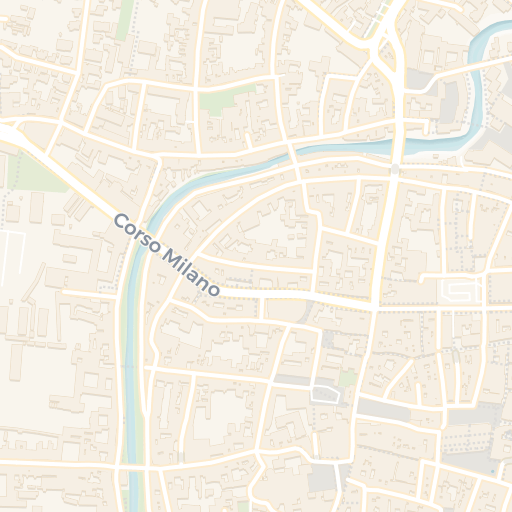
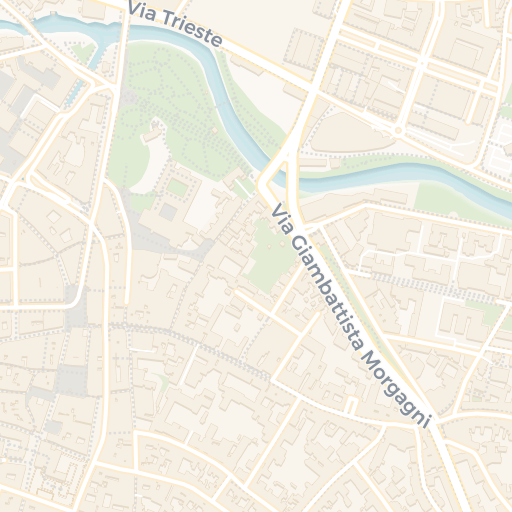
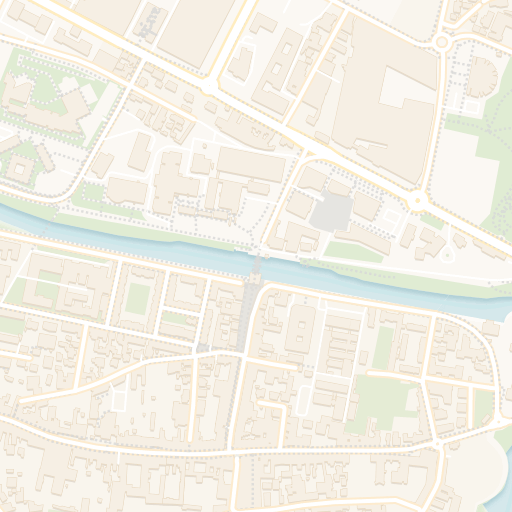
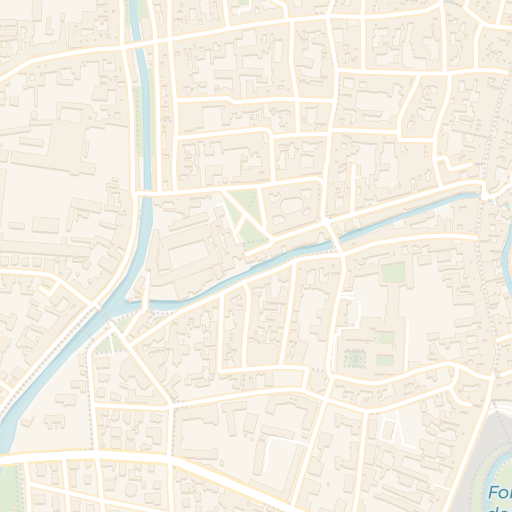
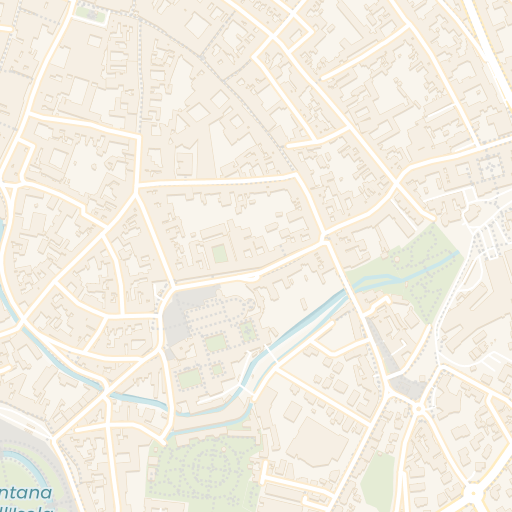
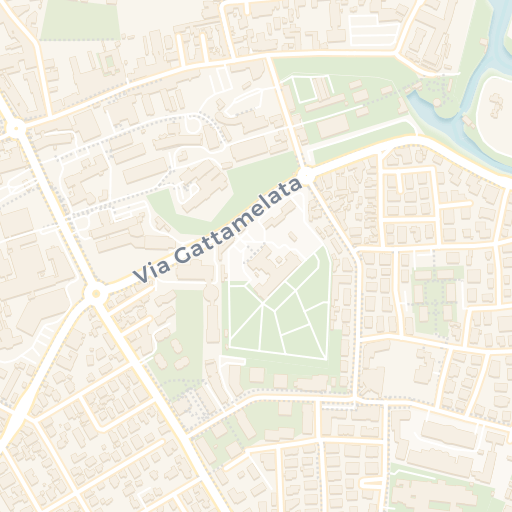
Get directions Open in Apple Maps
© OpenStreetMap contributors · © CARTO · 45.4077, 11.8773
Plan your visit
The café is open during ordinary hours and the ground-floor rooms can be entered freely; sitting at a table has table prices, as everywhere in Italy. The Piano Nobile and the Museum of the Risorgimento upstairs are ticketed and keep museum hours, closing on Mondays. It is a fifteen-minute walk from the railway station, inside the ZTL.
When to visit
Mornings are quietest downstairs. Late afternoon brings the aperitivo crowd and the café is at its most local.
The upstairs rooms are worth timing separately -- they are a museum visit rather than a coffee, and take about 45 minutes.
The building is a genuinely good refuge on a hot August afternoon or a foggy winter one, which is arguably what it was designed for.