

Tre Cime di Lavaredo
Last updated on August 17, 2026Overview
Tre Cime di Lavaredo ("Three Peaks of Lavaredo") are three sheer limestone towers in the Sexten Dolomites, among the most photographed mountain formations in the Alps and a centerpiece of the Dolomites' UNESCO World Heritage listing.
Their near-vertical rock faces, rising abruptly from a relatively gentle alpine plateau, make them visible and recognizable from a genuine distance, and a roughly 10-kilometer loop trail circling their base has made them one of the most accessible major peaks in the Dolomites for hikers rather than climbers alone.
Quick facts
- Type: Mountain, Nature
- Visitor access: Open to visitors
- Elevation: 2999 m
- UNESCO World Heritage Site: Yes
Visit responsibly
The loop trail and its parking area can reach genuine capacity on peak summer weekends -- visiting on a weekday, or arriving early, spreads pressure on both the trail and the limited parking at Rifugio Auronzo more evenly.
The area's World War I remnants are historic wartime fortifications, not simply scenery -- leaving trenches and tunnel structures undisturbed preserves them for the next visitor as much as for historical record.
Where it is
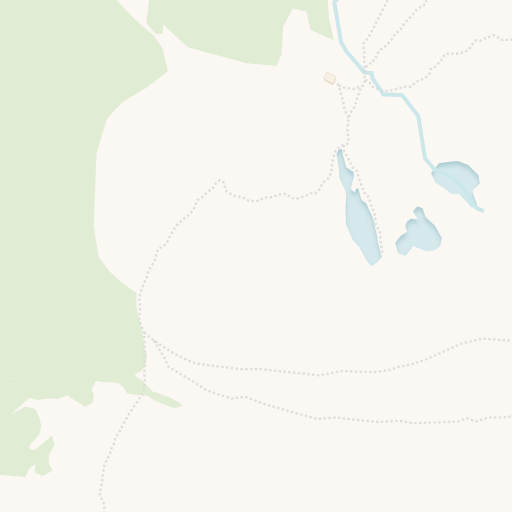
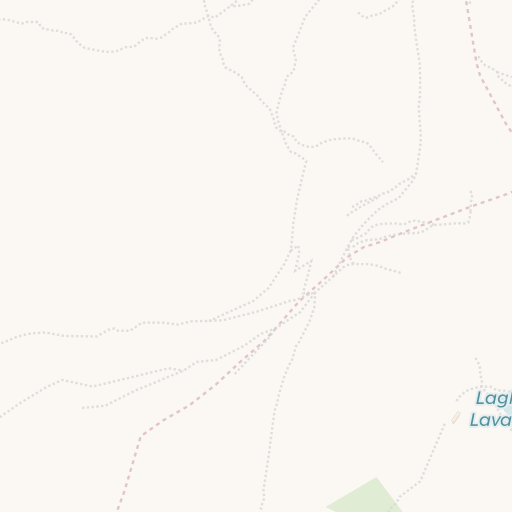
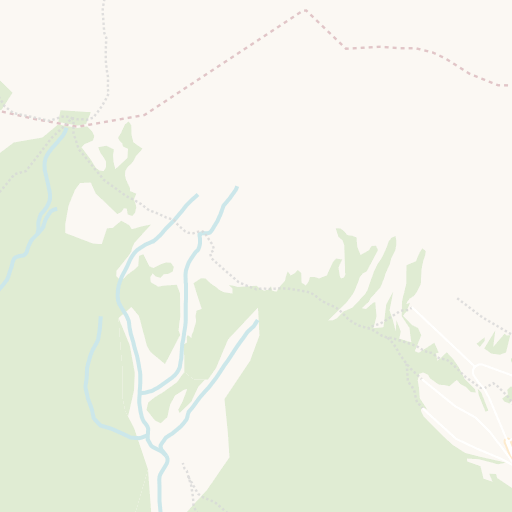
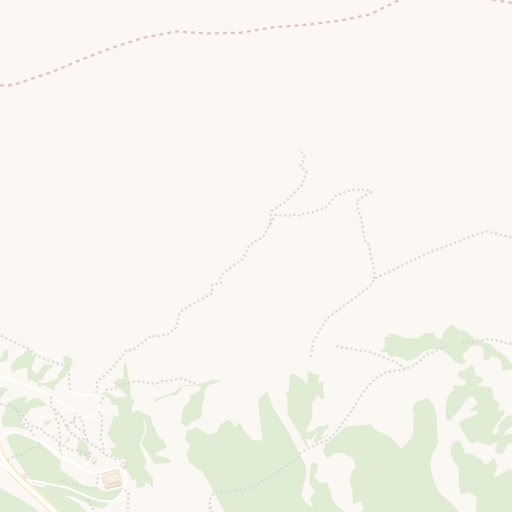
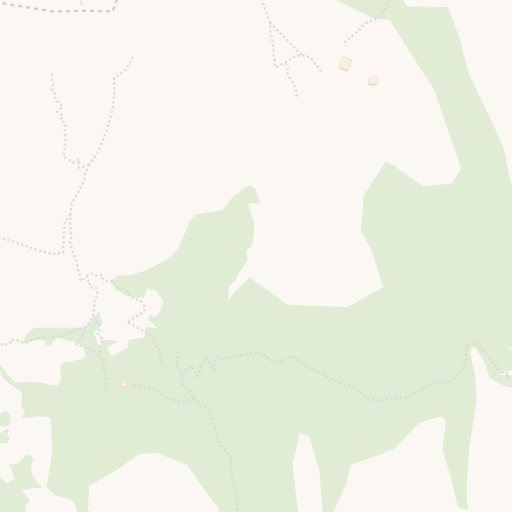
Get directions Open in Apple Maps
© OpenStreetMap contributors · © CARTO · 46.61775, 12.29539
Plan your visit
Most visitors reach the loop trail via a toll road up to Rifugio Auronzo, which cuts out most of the elevation gain and leaves a relatively gentle circuit around the peaks' base from there.
The full loop takes most hikers three to four hours at a comfortable pace, with several mountain refuges along the way offering food and drink.
The toll road and refuges operate seasonally, typically from late spring through early autumn -- winter access is far more limited and requires proper mountaineering experience and equipment.
When to visit
Summer (June-September) is the only season most visitors can realistically do the full loop, once the toll road and mountain refuges are open and snow has cleared from the trail.
Early morning offers the clearest light on the peaks and the smallest crowds on the parking area and initial trail sections, which fill up considerably by mid-morning in peak season.
Sunrise and sunset bring a reddish alpenglow to the peaks' pale rock that is the single most sought-after lighting condition among photographers visiting the site.