

Scogliera Viva
Last updated on September 8, 2026Overview
The Scogliera Viva -- the "living breakwater" -- is the sea defence along the seafront of Caorle, and since 1993 sculptors have been carving the boulders that make it up.
The result is an open-air gallery a few hundred metres long, made entirely of the rocks that hold the sea off the town. Figures, faces, abstract forms and inscriptions are cut directly into blocks that are still doing their structural job.
New works are added at intervals through a sculpture symposium, so the wall grows. It is the most unusual thing in Caorle and costs nothing to see.
Quick facts
- Type: Monument
- Local name: Scogliera Viva (vedi la pagina italiana)
- Built: Carving begun 1993
- A sea wall that is also a gallery: Sculptors have carved the breakwater boulders in place since 1993, while the stone continues to do its job of holding back the Adriatic.
- The weather is part of the work: Salt and spray steadily soften the carvings, so the oldest pieces are visibly more worn than the recent ones.
Visit responsibly
Do not climb on the boulders. They are wet, they are covered in algae, and they are a structural sea defence rather than a climbing frame -- injuries here are common enough that the town signs against it.
Do not carve, mark or add to the stone. The additions are made by invited sculptors at organised symposia; anything else is vandalism of a working structure.
Respect closures in rough weather. The sea comes over this wall, and it does so quickly.
The seafront is a public promenade used by residents all year; in season it takes very heavy foot traffic, and coming early or late is better for everyone.
Where it is
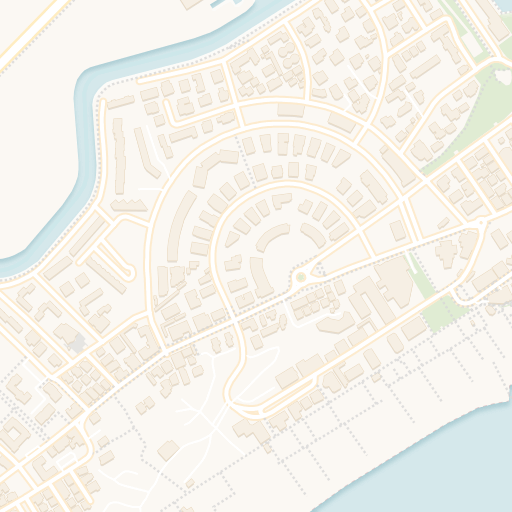
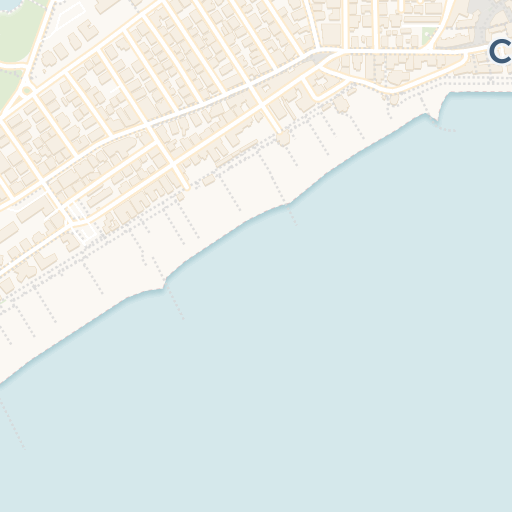


Get directions Open in Apple Maps
© OpenStreetMap contributors · © CARTO · 45.5928, 12.8858
Plan your visit
The Scogliera Viva is free and always open -- it is the seafront promenade of the town.
It runs along the front of the old centre, ending at the Madonna dell'Angelo sanctuary on the point. Walking the length of it takes about fifteen minutes without stopping.
The promenade itself is level and accessible, and the sculptures are visible from it. Getting down among the boulders is not safe or advisable, and is not necessary to see the work.
In rough weather the wall takes spray and waves, and the promenade can be genuinely dangerous. It is closed at those times, and the closure should be respected.
When to visit
Early morning and late afternoon give the raking light that shows carved stone best -- at midday the relief flattens out and much of the work becomes hard to read.
Spring and autumn are the pleasant seasons for the walk; the promenade has no shade in July and August.
Sunset, walking west to the sanctuary, is the standard and correct way to do it.
Winter storms are spectacular from a safe distance, though the promenade may be closed.