

Villa Badoer
Last updated on September 16, 2026Overview
Villa Badoer — La Badoera — stands at Fratta Polesine, in the flat Polesine country between the Adige and the Po, and it is the villa where Palladio first brought his two signature devices together.
Built for Francesco Badoer between about 1556 and 1563, it raises a full temple-front portico on a high base, and sweeps out from it two curved colonnaded wings that enclose the forecourt. Nothing he built before had done both at once.
It is UNESCO-listed with the other Palladian villas, and — unusually among them — publicly owned, which is why it is open on a predictable schedule instead of the access uncertainty that surrounds the privately held ones. One of the service wings now houses the national archaeological museum of Fratta Polesine, so a stop here takes in a sixteenth-century villa and the late Bronze Age together.
Quick facts
- Type: Mansion, Historic Place
- Local name: Villa Badoer (vedi la pagina italiana)
- Visitor access: Open to visitors
- Built: c. 1556-1563
- Built for: Francesco Badoer
- Designed by: Andrea Palladio
- Architectural style: Renaissance
- UNESCO World Heritage Site: Yes
Visit responsibly
The interiors carry sixteenth-century painted decoration. Follow the photography rules, and do not touch the painted surfaces — the grotesques are at arm's height in places.
The Polesine sees very little tourism, and the villa is one of the few things that brings anyone at all. Paying the admission and spending in Fratta is the useful contribution.
The village is small and the villa sits on its main street. Park where it is signed rather than on the verges in front of the forecourt — that sweep of curved colonnade is the view everyone has come for, including the people arriving after you.
Where it is
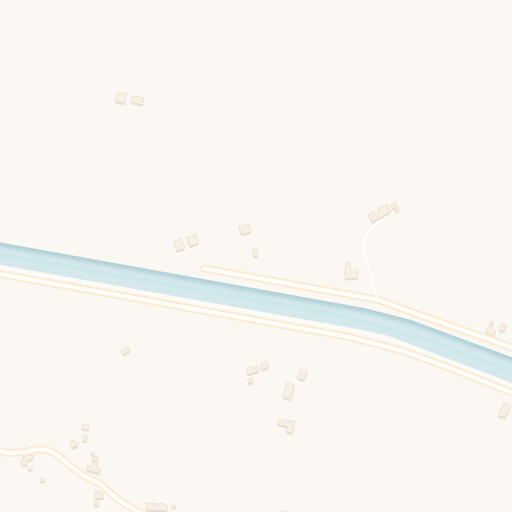
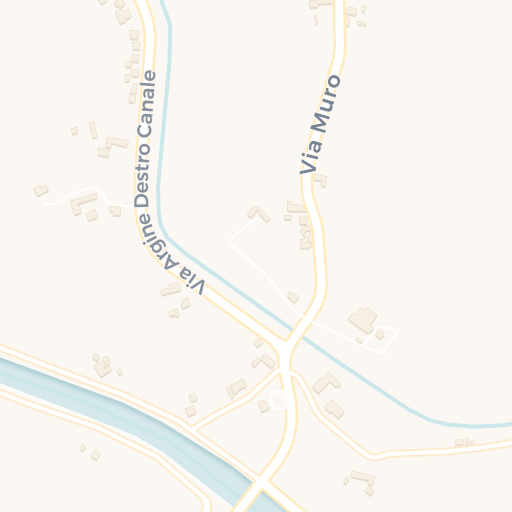
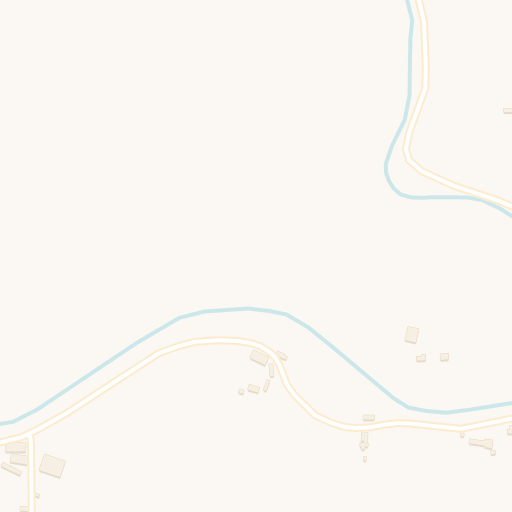
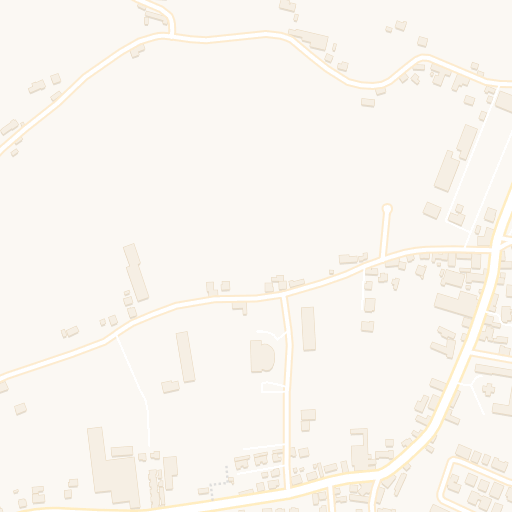
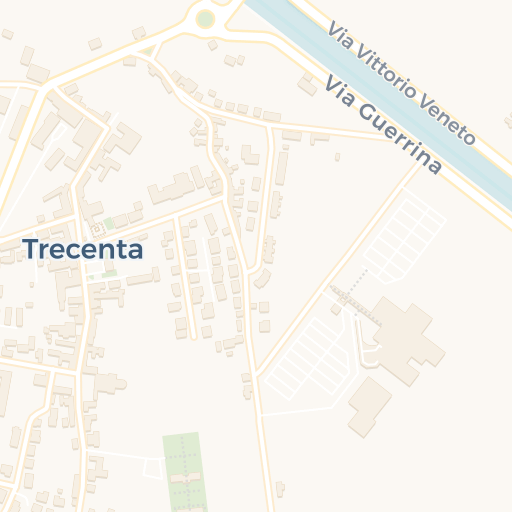
Get directions Open in Apple Maps
© OpenStreetMap contributors · © CARTO · 45.0322, 11.4642
Plan your visit
Unlike most Palladian villas this one is in public hands and regularly open, with hours that vary by season — the most straightforward of the three to actually get into.
The archaeological museum in the barchessa is part of what there is to see, not an add-on; allow extra time for it. Its finds come from Frattesina, a Bronze Age settlement a few kilometres away with nothing left above ground, so this is where that site is actually seen.
Fratta Polesine is in the province of Rovigo, off the main routes; a car is the practical way there. It pairs naturally with the Po Delta rather than with the Vicenza villas.
When to visit
Being in public hands, this is the one of the three you can reasonably plan around. Hours vary by season; check, but expect to get in.
Spring and autumn are the comfortable months in the Polesine, which is hot and humid in high summer and often fogbound in winter.
The curved barchesse gather the forecourt, so morning light from the approach shows the composition as it was meant to be met.