

Torre Campanaria and Piazza Castello, La Morra
Last updated on October 14, 2026Why visit Torre Campanaria and Piazza Castello, La Morra
Because this is the view — and because the tower you are standing under is made of the castle that used to be here.
Piazza Castello is named after a building that no longer exists. The castle was demolished in 1544. In 1710 the torre campanaria was raised on the same ground out of the castle's remains, and the square kept the dead building's name. The square offers a spectacular view over the surrounding villages and the hills planted with vines.
There is almost no friction. It is a public square at the top of a village of 2,668 people; nothing opens, nothing closes, nothing is charged.
The tactic is to come twice. The same square is a different place in morning haze and in the last hour of light, and most visitors only ever see it once, at midday, which is the worst of the three.
Quick facts
- Type: Tower, Square/Plazza, Historic Place
- Local name: Torre Campanaria e Piazza Castello, La Morra (vedi la pagina italiana)
- Built: 1710, from the remains of the castle demolished in 1544
- Architectural style: Early 18th-century bell tower on a belvedere square
Visit responsibly
A monument was stolen off this square. Antonio Munciguerra's Vignaiolo d'Italia, in bronze, 1972, was taken in December 2018 during works on the square. It is worth knowing what is missing from the place you are photographing.
The view is of a working landscape. The Langhe were inscribed by UNESCO on 22 June 2014, and the Langa of Barolo in front of you is one of the three components — a living agricultural landscape. Those are crops, not scenery, and the lanes below carry tractors.
The square is a school playground and a village centre. The elementary school closes one side of it. Early and late in the school day, the belvedere belongs to children and the people collecting them.
Park below and walk up. These are narrow ridge streets in a village of 2,668 people, not an approach road to a viewpoint.
Spend something in the village. The view costs nothing and never will, which makes the shops, the Cantina Comunale and the cafés the only way a visitor leaves anything behind.
Where it is
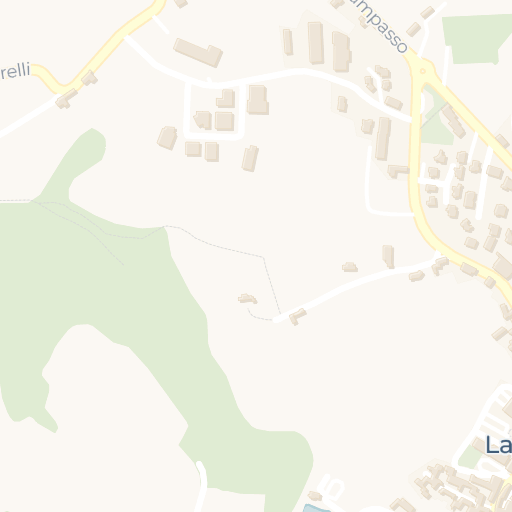
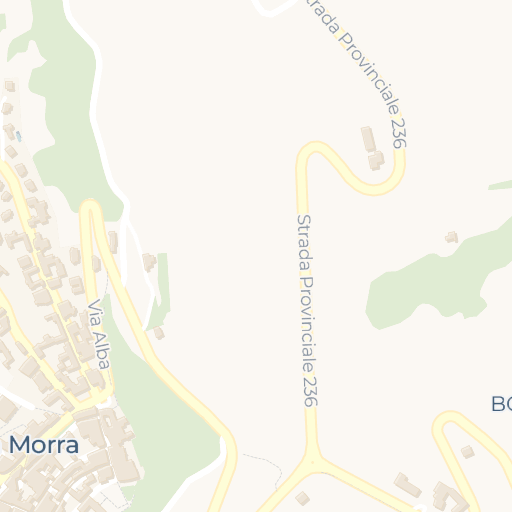
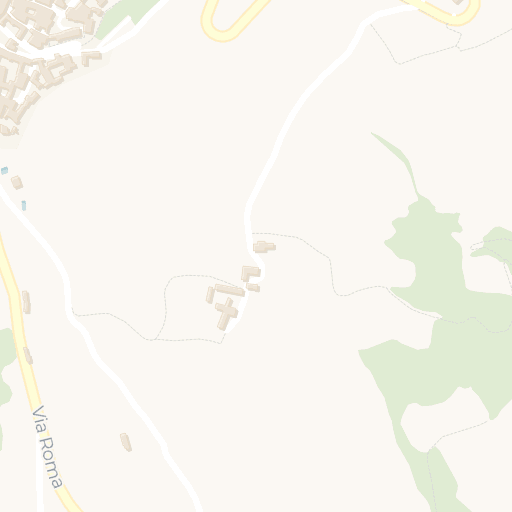
Get directions Open in Apple Maps
© OpenStreetMap contributors · © CARTO · 44.6368, 7.9338
Plan your visit
Where. Piazza Castello, at the top of the village of La Morra, province of Cuneo. The village stands at 513 metres.
Admission and hours. It is a public square. There is no ticket, no gate and no closing time, and the view is available whenever you are standing there.
The tower. Nothing in the record describes the torre campanaria as open to visitors or climbable, and the comune publishes no hours or access terms for it. Treat it as something to look at rather than to go up, unless you have confirmed otherwise on the day.
Who to ask. The Comune di La Morra, piazza Municipio 1, 12064 La Morra (CN), telephone 0173 50105, protocollo@comune.lamorra.cn.it. Its contacts page carries no page on the tower or the belvedere and publishes no opening hours for either.
Getting there. By car, then on foot. The square is at the top of a ridge village and the streets up to it are narrow.
Combine it with what is on and around the same square: the Chiesa di San Martino is a few steps away, and the Cappella del Barolo is a short drive below at Brunate.
Verified against Comune di La Morra, October 2026.
When to visit
This is a view, so the hour is the whole question. Nothing opens or closes, which means you can take the best light rather than the available slot.
Early morning and the last hour before sunset are the two to aim for. Midday flattens a landscape that is entirely made of slopes.
Autumn gives the vines their colour and the Langhe their crowds, and the square is where La Morra's visitors concentrate. It is also harvest: the hills you are photographing are being worked.
Winter is the risk. Fog is characteristic of these hills rather than exceptional, and a fogged-in belvedere gives you nothing at all — the tower and the bust will still be there, and the view over the surrounding villages and the vine-covered hills will not.
Weekday mornings the elementary school of 1914 on the square is in session. It is a working school; the square is noisier and busier at the start and end of the school day.