

Palazzo del Comune e Loggia della Repubblica, Noli
Last updated on October 18, 2026Why visit Palazzo del Comune e Loggia della Repubblica, Noli
Because this is the parliament building of a country that was four kilometres square.
The draw is what was decided here. The Palazzo del Comune was the seat of the consuls and of the government of the Republic of Noli, which ran from 7 August 1192 to 2 December 1797 under a Podestà and a Consiglio dei Consoli e dei Capi di casa. Under the loggia beside it, plaques record the passage of Dante, of Cristoforo Colombo on 31 May 1476 leaving for Portugal, and of Giordano Bruno in 1576.
The friction is that it is still the town hall end of a small square. There is no museum, no ticket and no published opening hour for the interior — and the seventeenth-century Sala del Consiglio, which holds the fresco fragments, is the part you cannot count on seeing.
The smart way is to read the outside and the plaques, which are always there. The civic tower, the four ogival polifore and the restored sundial on the seaward face, then the loggia and its bugnato capital of the late Trecento.
Quick facts
- Type: Building, Historic Place, Monument
- Local name: Palazzo del Comune e Loggia della Repubblica, Noli (vedi la pagina italiana)
- Built: Fourteenth to fifteenth century, with the loggia of the same period; transformed between 1797 and 1820
- Architectural style: Medieval civic palace with a civic tower, four ogival polifore and an adjoining loggia
Visit responsibly
This is a working town hall on a small square. The comune's own seat is at Piazza Milite Ignoto 6, and the people going in and out are going to work.
The plaques are the fragile part of the outside. They are the town's record of its own visitors; read them, do not lean on them.
If the Sala del Consiglio is open, treat it as a civic room. It holds detached late-medieval fresco fragments from the porta di San Giovanni, unglazed and at eye level in a working building.
Noli has about 2,444 residents and roughly 300 inside the borgo. The caruggi around the square are narrow, many spanned by supporting arches, and they are where people live.
Park outside and walk in. The comune publishes no parking scheme at all, which in August is the live problem rather than a technicality.
Where it is
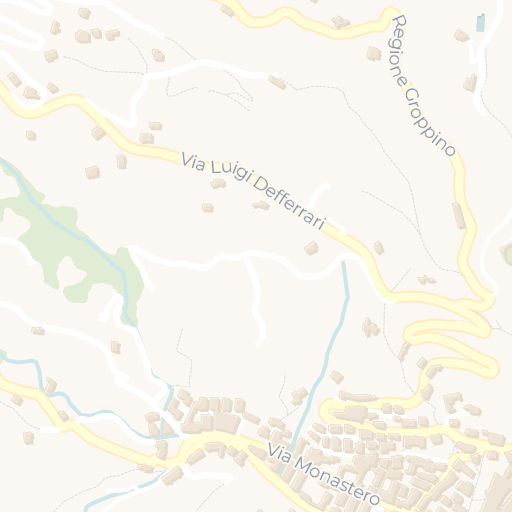

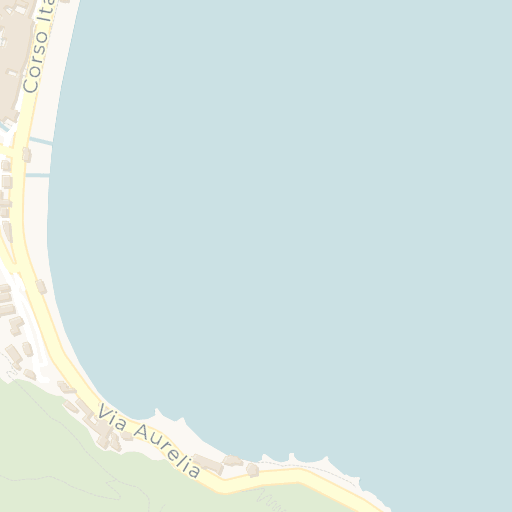

Get directions Open in Apple Maps
© OpenStreetMap contributors · © CARTO · 44.20571, 8.41614
Plan your visit
The outside is free and always there; the inside is not published. No opening hour or admission for the Palazzo del Comune, the Sala del Consiglio or the loggia is published by the Comune di Noli or by anything else read for this entry — and the comune publishes none for any building in the comune.
What you can count on seeing is the civic tower, the four ogival polifore and the restored sundial on the seaward facade, the loggia with its bugnato capital, and the plaques beneath it to Dante, Cristoforo Colombo and Giordano Bruno.
The comune itself is on the same square. Comune di Noli, Piazza Milite Ignoto 6, 17026 Noli (SV), single switchboard 019 7499520, certified address protocollo@pec.comune.noli.sv.it. It publishes no direct line or opening hours for any individual office, including its Ufficio cultura e turismo.
A separate tourist office is published for the town at Via Anton da Noli, 019 748384.
Getting here. It is in the middle of the walled historic centre, a few steps from the porticoed seafront. The borgo is walked; Noli has no railway station and no published bus service.
Verified against Comune di Noli, October 2026.
When to visit
Any daylight hour, because the plaques and the facade are the visit. Nothing about the exterior opens or closes.
Late afternoon for the seaward face. The facade with the polifore and the sundial looks towards the sea promenade, and a meridiana is best read when the sun is actually on it.
April to June and September to October for the town. The two comfortable windows on this coast, and the months when the borgo is not full.
Two dates put the square in use. The second Sunday in July is the feast of Sant'Eugenio, the patron; 7 August is marked by a traditional ceremony at San Paragorio for the founding of the free comune in 1192.
August is the peak — a Bandiera blu beach resort at its busiest, and the one month when the historic centre is crowded.