

Villa dei Quintili
Last updated on October 6, 2026Why visit Villa dei Quintili
The draw
This is the house an emperor killed for. In 182-183 AD Commodus had the Quintili brothers put to death for plotting against him, confiscated the villa, and then lived in it himself, as did other emperors after him. The motive is standing in front of you.
And we only know whose it was because of a water pipe. A lead pipe bearing the name of the owners is why it is certain the complex belonged to Sextus Quintilius Condianus and Sextus Quintilius Valerius Maximus, consuls in 151 AD — a degree of certainty almost no other suburban villa has.
It is the largest residential complex in the suburbium of Rome, at the fifth mile of the Appia, with a large bath complex, buildings for spectacles, and wall and floor revetments in slabs of coloured marble, still splendidly preserved.
And the first thing you meet is a castle that used to be a fountain. The monumental nymphaeum of the entrance garden was transformed into a fortress in the medieval age.
The friction
- Closed on Mondays and on 25 December.
- Last entry is a full hour before closing — not the half-hour used at Cecilia Metella down the road.
- No price is published by the city, only a ticketing link.
- Two entrances on opposite sides, one on the Appia Antica and one on the Appia Nuova. Pick before you leave.
- It is only partially accessible, in the city's own words.
The tactic
Decide your gate first. The site lists Via Appia Antica 251 and Via Appia Nuova 1092; they are on opposite sides of a very large site, and the walk between them is substantial.
Allow for the hour. Last entry is one hour before closing, and closing moves from 16.30 in deep winter to 19.15 in high summer.
Go up to the private rooms. They are the ones looking out over the surrounding valley — the view that made the villa worth confiscating.
Look down as well as up. The wall and floor revetments in slabs of coloured marble are what the city singles out as still splendidly preserved.
Do not skip the farmhouse. The Antiquarium in the modern casale holds sculptural and architectural pieces of great value found during the excavations.
Pair it with Cecilia Metella. Both are in the Parco Archeologico dell'Appia Antica, two miles apart — but check each one's last-entry rule separately.
Skip it if you:
- Arrive within an hour of closing. You will be turned away.
- Need a fully step-free site. The city says partially accessible, and the main nucleus is on a hill.
- Are travelling on a Monday. It is shut.
Quick facts
- Type: Ruins, Palace, Roman, Historic Place
- Local name: Villa dei Quintili (vedi la pagina italiana)
- Built: Owned by consuls of <span class="timeline-date">AD 151</span>; imperial property from <span class="timeline-date">AD 182–183</span>
- Built by: The brothers Sextus Quintilius Condianus and Sextus Quintilius Valerius Maximus
- Built for: The largest residential complex in the suburbium of Rome
- Architectural style: Imperial Roman villa — courtyards, reception rooms, baths and coloured marble revetments
- A lead pipe named the owners: A water pipe bearing their names is why it is certain the villa belonged to the Quintili brothers, consuls in 151 AD.
- Commodus had them killed and moved in: In 182-183 AD the brothers were put to death for conspiracy, the villa was confiscated, and the emperor lived in it himself.
Visit responsibly
The villa changed hands by execution. The Quintili were put to death on the orders of Commodus and the house was confiscated. It is a crime scene as much as an estate, and the emperors who then lived here did so on that basis.
The surviving marble is the fragile part. The wall and floor revetments in slabs of coloured marble are still splendidly preserved precisely because they have not been walked on or handled; they are the first thing lost at a site this size.
It is working countryside. The villa sits in the Parco Archeologico dell'Appia Antica among the farmland of the Agro Romano, and the modern casale that holds the Antiquarium is a farm building.
Stay on the routes on the hill. The main nucleus is standing brick-faced concrete two and three storeys high, with vault stubs; it is a ruin held up by consolidation, not a monument built to be climbed.
Use the published contacts. The Parco's page and pa-appia.villaquintili@cultura.gov.it are the route for anything the city page does not answer — including the price, which it does not publish.
Where it is
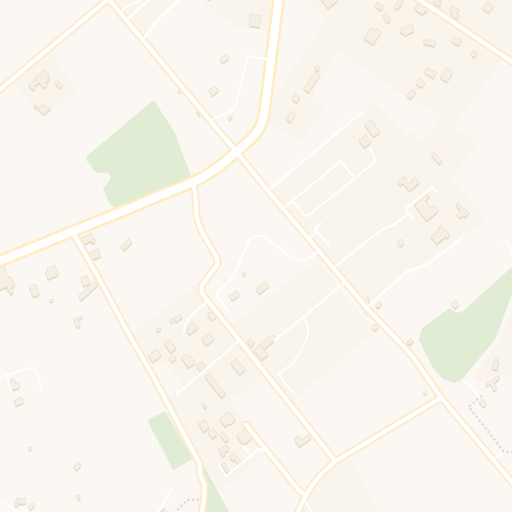
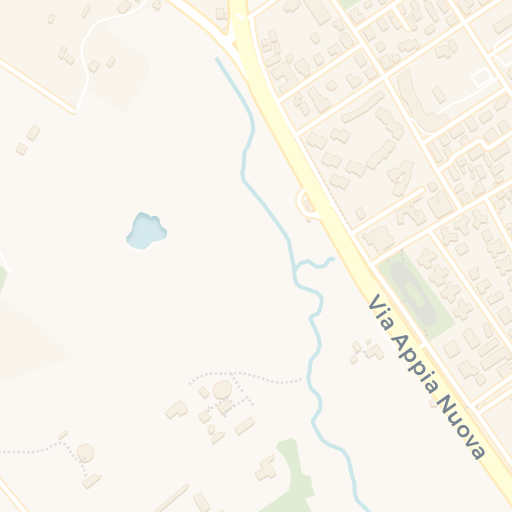
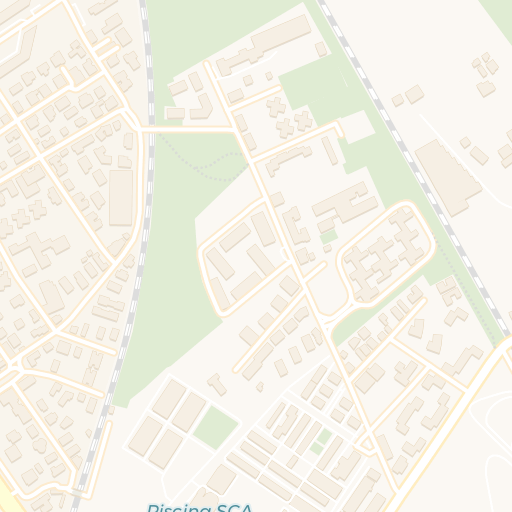
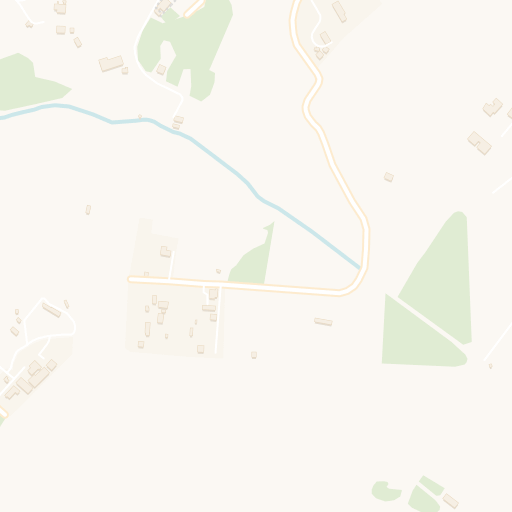
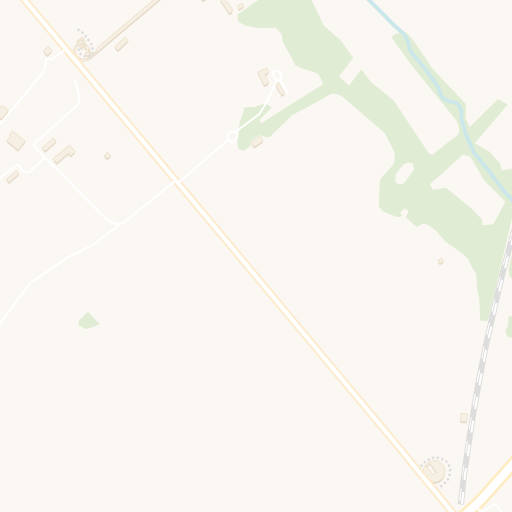
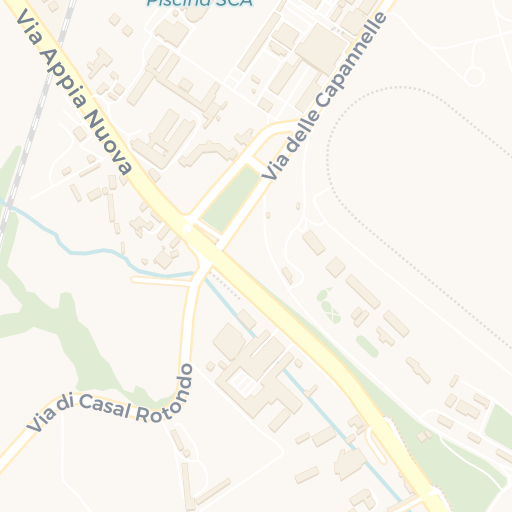
Get directions Open in Apple Maps
© OpenStreetMap contributors · © CARTO · 41.8314, 12.5525
Plan your visit
Closed Monday and 25 December, in four seasonal bands
1–31 October: 9.00–18.30.
1 November to 28/29 February: 9.00–16.30.
1–31 March: 9.00–18.30.
1 April to 30 September: 9.00–19.15.
LAST ENTRY IS A FULL HOUR BEFORE CLOSING. This is twice the half-hour allowed at the Mausoleum of Cecilia Metella, two miles down the same road — do not assume the two sites match.
No price is published
Turismo Roma gives a ticketing link on portale.museiitaliani.it and the managing site of the Parco Archeologico dell'Appia Antica, and no amount. Email pa-appia.villaquintili@cultura.gov.it.
Two entrances, on opposite sides
- Via Appia Antica 251 — the ancient approach, through the porticoed garden and the nymphaeum-fortress.
- Via Appia Nuova 1092 — the other side of the site.
They are a long way apart. Choose before you set out.
Accessibility
The city states the site is partially accessible to disabled visitors. The main nucleus is on a hill.
Ticket & Pass Decision Matrix
| Option | Cost | What it gets you | Booking | Verdict |
|---|---|---|---|---|
| A visit, Tuesday to Sunday | Not published by the city | The nymphaeum-fortress, the courtyards, the baths, the coloured marble, the Antiquarium | Via portale.museiitaliani.it | The visit. Allow two hours; it is the largest complex of its kind in the suburbs. |
| Entering from the Appia Antica | Same | The original approach — porticoed garden first, then the hill | Same | The better order, and the one the villa was designed for. |
| Entering from the Appia Nuova | Same | The same site from the other side | Same | Fine, but you arrive at the back. |
| Arriving late | — | Nothing. Last entry is one hour before closing. | — | The strictest last-entry rule of the Appia sites. |
| With the Mausoleum of Cecilia Metella | Separate | Two sites of the same archaeological park | Same portal | The natural pair — different last-entry rules, so do this one first. |
Verified against Turismo Roma, October 2026.
When to visit
Early enough to clear the hour. Last entry is a full hour before closing, and closing runs from 16.30 in deep winter to 19.15 between April and September.
Not Monday, not 25 December. Those are the published closures.
Spring and autumn. This is an open hillside site in farmland at the fifth mile of the Appia, with very little shade; high summer is punishing and midwinter closes at 16.30.
Low sun for the marble. The revetments in slabs of coloured marble are flat surfaces, and raking light is what separates the greens, reds and purples from the brick.
A holiday or Sunday if you want to walk in. The Via Appia Antica is closed to traffic on giorni festivi, which is the only comfortable way to arrive on foot.