

Trajan's Market
Last updated on October 5, 2026Why visit Trajan's Market
The draw
Everyone walking between Piazza Venezia and the Colosseum passes a huge curved brick facade rising in tiers above the Forum of Trajan. Almost nobody goes in. Inside is one of the best-preserved pieces of Roman commercial and administrative architecture anywhere — corridors, vaulted rooms and staircases you can actually walk — and, since 2007, the Museum of the Imperial Fora.
The problem when visiting
It photographs better than it explains itself. The complex is multi-level and the route wanders, so without some idea of what you are looking at it reads as a lot of brick. The admission price also moves with whatever exhibition is running, so a figure quoted in a guidebook is usually out of date.
The tactic
Go for the upper terrace first, which puts the whole Forum of Trajan below you and the Vittoriano across from it — then work down through the levels. Pair it with the Capitoline Museums, ten minutes away, rather than with the Colosseum, which will exhaust you first. If you live in Rome or hold a MIC card it costs nothing.
Skip it if you:
- Have one day and have not seen the Forum or the Colosseum. This is the third thing on that street, not the first.
- Want standing columns and temples. This is brick, vaults and floors. Its interest is structural rather than monumental.
- Cannot manage stairs. The visit crosses several ancient levels and the connections between them are original.
- Are here on 1 May or 25 December. Closed both days.
Quick facts
- Type: Site Complex, Ruins, Museum, Historic Place
- Local name: Mercati di Traiano (vedi la pagina italiana)
- Admission: €14–€19.5
- Reservation: Not required — tickets on the door
- Typical visit: About 1 hour 30 minutes
- Built: Probably <span class="timeline-date">100–110 A.D.</span>
- Built by: Trajan
- Built for: Administration and commerce beside the Forum of Trajan
- Designed by: Apollodorus of Damascus
- Architectural style: Roman imperial brick and concrete
- Not a shopping mall: The "ancient shopping centre" label is modern. What survives is an administrative and commercial complex beside Trajan's Forum.
- It survived by staying in use: The Middle Ages added floors, still visible, and built the Torre delle Milizie into it in 1300.
Visit responsibly
Do not climb on or sit on the brickwork. A great deal of what looks like a ledge here is the top of standing Roman structure carrying medieval floors above it. Italian law treats damage to a protected monument as a criminal matter, and this complex is unusual in how much of its original fabric is within reach.
Stay on the marked route between levels. The connections between floors are original and were not built for the numbers using them; the barriers mark where the fabric is being consolidated rather than where the view is best.
Use the free exterior rather than crowding the street. The hemicycle reads fully from the pavement, and the railings above the Forum of Trajan are a public viewpoint. Stopping there instead of in the middle of the walkway keeps one of Rome's busiest pedestrian routes moving.
If you live in Rome, use the free entry. This is a municipal museum and the exemption exists to make it a local one. It also spreads visits out of the tourist season, which is what a building of this age needs.
Where it is
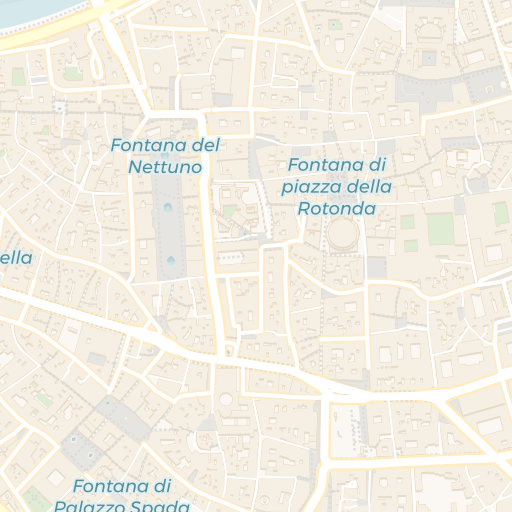
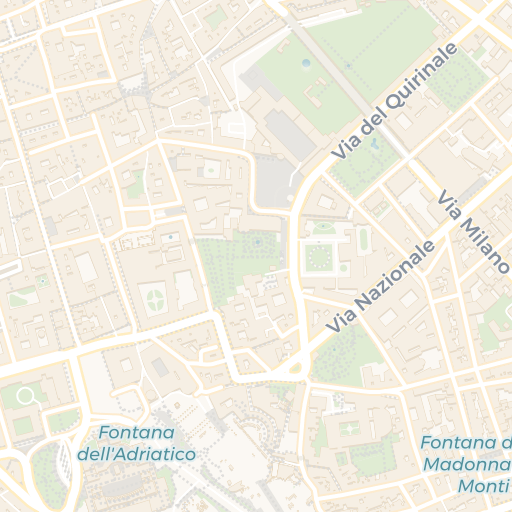
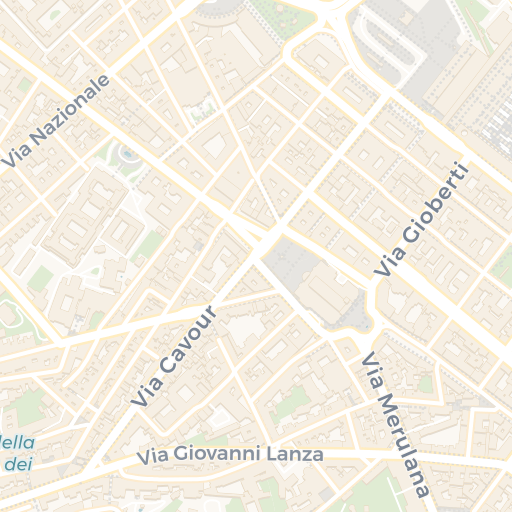
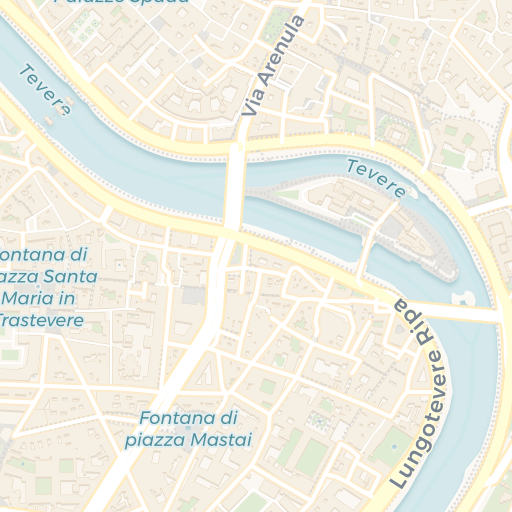
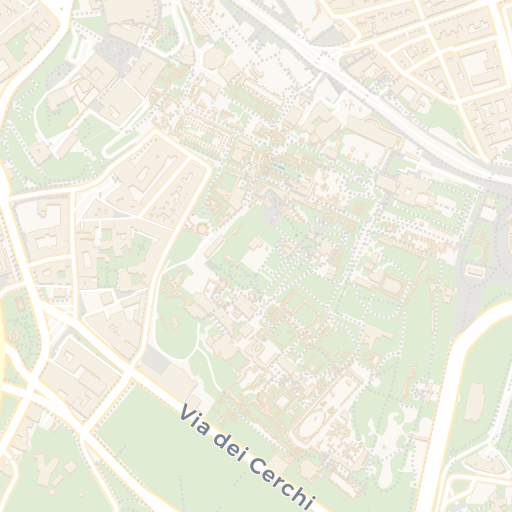
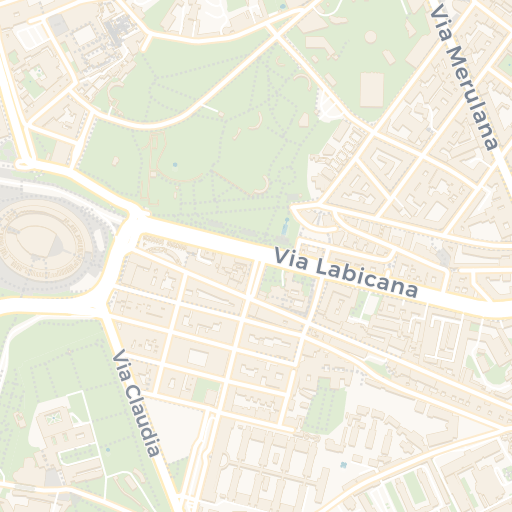
Get directions Open in Apple Maps
© OpenStreetMap contributors · © CARTO · 41.89561, 12.48619
Plan your visit
Admission: €14–€19.5 · €19.50 for non-resident adults and €14.00 concessions, same-day at the ticket office; online or counter pre-sale adds a €1 fee. The civic museums price admission together with whatever exhibition is running, so confirm the current tariff. Free for residents of Rome and the metropolitan city and for MIC cardholders.
Prices verified September 2026
Best viewpoint: The upper terrace above the hemicycle, looking down over Trajan's Forum and across to the Vittoriano.
Hours and address
The museum is at via Quattro Novembre 94 and is open every day, 9.30 to 19.30, with last admission one hour before closing. It closes early on 24 and 31 December (9.30 to 14.00) and opens late on 1 January. It is closed on 1 May and 25 December. The municipal call centre is +39 060608, daily 9.00 to 19.00.
The price moves with the exhibition
As at every museum in Rome's civic system, admission is ticketed together with whatever exhibition is running, so there is no single standing figure and any price in a guidebook is tied to a window that has probably closed. At the time of checking, with the Brâncuși exhibition on, the same-day ticket office price was €19.50 for non-resident adults and €14.00 concessions. Buying online or at the counter for a later day adds a €1 pre-sale fee, and those advance tickets are neither refundable nor changeable.
Ticket & Pass Decision Matrix
| Option | Cost | What it gets you | Queue and booking | Verdict |
|---|---|---|---|---|
| Standard entry, same day | €19.50 adults / €14.00 concessions, moving with the exhibition | The whole complex and the Museum of the Imperial Fora | No booking needed; general admission is not timed | The default. Buy at the desk on the day. |
| Rome residents and MIC cardholders | Free | Full access | Bring proof of residence; MIC holders can also get the free ticket on 060608 | The biggest saving here, and the reason Romans use this museum at all. |
| Roma Pass | Not published | Free or reduced entry, plus 100+ Rome sites and transport over 48 or 72 hours | No separate reservation | Fits well: no timed-entry dance, unlike the Borghese or the Colosseum. |
| The free view | €0 | The whole exterior — the hemicycle and the Torre delle Milizie read fully from Via dei Fori Imperiali and Via Quattro Novembre | None; open street | Genuinely good. The facade is the famous part and it costs nothing. |
| Groups | Standard tariff | Identical access, with a guide | 11 to 25 people plus the guide, by free reservation on 060608 | The cap is firm — the ancient corridors cannot take a coach party. |
Two turnstile rules. First, a residence or MIC exemption is checked at the door and the difference is payable if the requirement is not met — carry the document. Second, for some exhibitions even categories entitled to free admission must buy a reduced ticket, so "free" is not unconditional here.
What is free
The exterior is the famous part and it costs nothing. The great curved hemicycle and the Torre delle Milizie above it read completely from Via dei Fori Imperiali and from via Quattro Novembre, and the Forum of Trajan below is visible from the street railings. What the ticket buys is the inside: the corridors, the vaulted rooms, the terraces and the Museum of the Imperial Fora.
Inside, admission is free for residents of Rome and the metropolitan city and for MIC cardholders, on production of proof.
On the ground
The visit is multi-level and the levels are the hillside, so expect stairs and ramps between ancient floors. Allow ninety minutes to do the complex and the museum properly.
Verified against Mercati di Traiano — Museo dei Fori Imperiali, September 2026.
When to visit
Late afternoon is the best time. Last admission is 18.30 and the low sun rakes across the brick of the hemicycle, which is when the tiers read most clearly. It is also when the Via dei Fori Imperiali coach traffic has thinned.
It works in summer better than its neighbours do. Much of the route is inside vaulted rooms and corridors, so it is a reasonable use of an afternoon when the Forum and the Palatine across the road are unbearable.
Avoid 1 May and 25 December, when it is closed, and expect a short day on 24 and 31 December.
Check what exhibition is on before fixing a date — it sets the price, and occasionally which rooms are open.