

Stadium of Domitian
Last updated on October 6, 2026Why visit Stadium of Domitian
The draw
Piazza Navona is not shaped like a stadium by coincidence — it is one. The Stadium of Domitian lies about 4.50 metres below street level, exactly underneath the square, and the square keeps its outline: a very elongated rectangle with one end in the form of a hemicycle and the other straight and slightly oblique. Once you know, you cannot walk through Navona the same way again.
It is the first and only masonry stadium. Inaugurated in 86 AD for the Certamen Capitolino Iovi, held in honour of Jupiter Optimus Maximus and instituted in imitation of the Olympic games.
Winning in it could make you a Roman citizen. Unlike the gladiators and the venatores, whose social condition was of the lowest level, an athlete's standing here could bring Roman citizenship, fiscal privileges or exemption from military service — and the contests were open also to ordinary citizens.
And the city admits the games flopped. They were so appreciated by Domitian and little loved by the citizens, who considered them insufficiently manly; Rome preferred boxing and the pankration, disciplines that excelled in violence and brutality.
The friction
- The Archaeological Area is closed for restoration works. This is the headline, and it is current.
- No hours and no price are published, because there is nothing open to publish them for.
- It is underground, which will matter when it reopens.
- What survives is substructure, not seating — the brick skeleton under the stands.
The tactic
Check the official site before walking to Via di Tor Sanguigna. The city says plainly that the area is closed for restoration works and to consult the official site for updates.
Meanwhile, read the stadium from the square. Stand at the north end of Piazza Navona, where it curves: that curve is the stadium's hemicycle. The far end is the straight and slightly oblique one. The plan is free, permanent and above ground.
Scale it against the Colosseum. 275 metres by 106, holding about 30,000 spectators — against the Colosseum's 50,000 to 60,000.
Remember the Odeon. The musical and poetic challenges were held in a separate building constructed nearby for the purpose — the stadium was half of a festival complex.
Book through the published route when it reopens. The city gives fareharbor.com/embeds/book/stadiodomiziano/items/.
Skip it if you:
- Are planning around getting inside. It is closed for restoration.
- Dislike confined underground spaces. That is what the visit is, when it runs.
- Want standing architecture. What survives is the substructure beneath the seating.
Quick facts
- Type: Ruins, Roman, Historic Place, Stadium
- Local name: Stadio di Domiziano (vedi la pagina italiana)
- Built: Inaugurated in <span class="timeline-date">AD 86</span>
- Built by: Domitian, to celebrate the Certamen Capitolino Iovi
- Built for: Athletic contests in imitation of the Olympic games, in honour of Jupiter Optimus Maximus
- Architectural style: Brick faced with moulded and coloured stucco; travertine facade and ambulatory pillars
- Piazza Navona is the stadium: The square keeps the stadium's outline, 4.50 metres above the ancient ground level.
- The Romans thought the games unmanly: Domitian's Greek-style athletics were little loved by citizens who preferred boxing and the pankration.
Visit responsibly
It is closed because it is being conserved. The Archaeological Area is closed for restoration works; respecting that, and checking the official site rather than looking for a way in, is the whole of what is being asked.
What survives is substructure, and it holds a square up. The brickwork beneath Piazza Navona is 4.50 metres under one of the most heavily walked public spaces in Rome.
The games it was built for were not what Rome wanted. Domitian meant to involve the Romans in practising athletics more and non-violent sports in the Greek manner; the citizens considered them insufficiently manly and preferred boxing and the pankration, disciplines that excelled in violence and brutality. The stadium is evidence of a cultural policy that failed.
The athletes were mostly foreign professionals. Generally professionals of Greek or Eastern nationality, competing for money and the great honours they received — and, if they won, for citizenship, fiscal privileges or exemption from military service.
Where it is
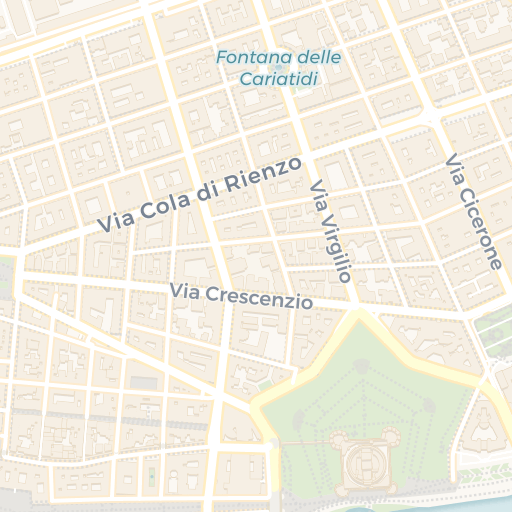
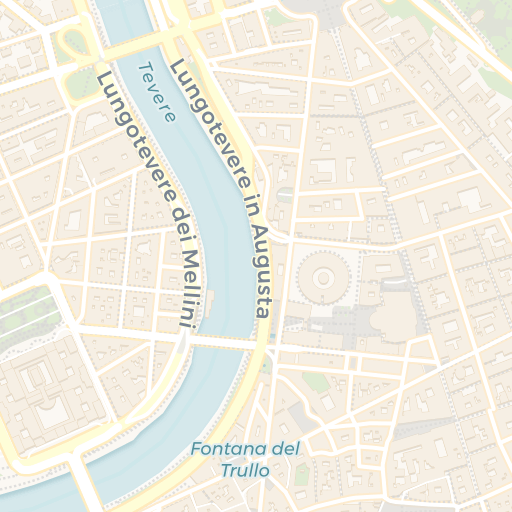
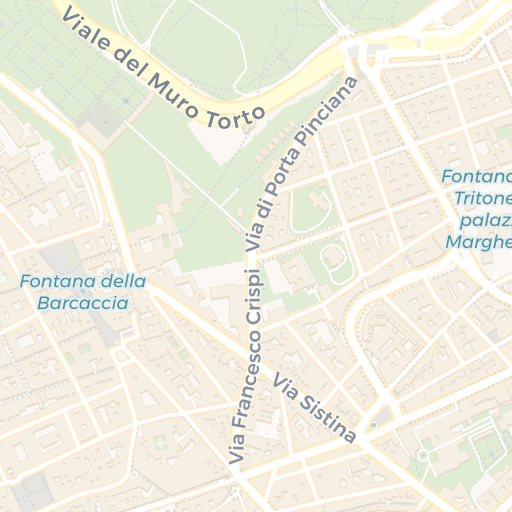
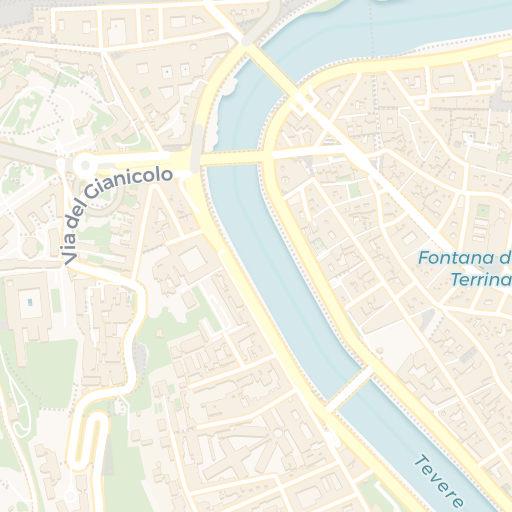
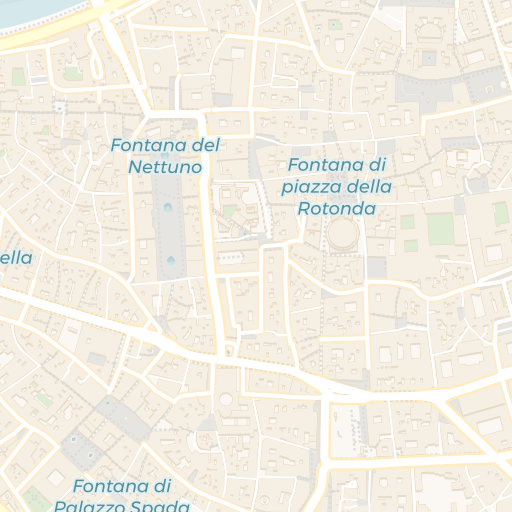
Get directions Open in Apple Maps
© OpenStreetMap contributors · © CARTO · 41.9003, 12.4725
Plan your visit
The Archaeological Area is closed for restoration
Turismo Roma states it plainly: the Archaeological Area is closed for restoration works, and visitors should consult the official site for updates. There are no opening hours and no admission price published, because there is nothing currently open.
The part that is never closed
Piazza Navona itself, directly above. The stadium lies about 4.50 metres below street level, exactly underneath it, and the square preserves the plan: a very elongated rectangle with a hemicycle at the north end and a straight, slightly oblique end at the south. That reading is free, needs nothing booked and cannot be shut.
When it reopens
Booking runs through fareharbor.com/embeds/book/stadiodomiziano/items/, and the managing reference is the Sovrintendenza Capitolina page, sovraintendenzaroma.it/i_luoghi/roma_antica/monumenti/stadio_di_domiziano. Address: Via di Tor Sanguigna 3.
Ticket & Pass Decision Matrix
| Option | Cost | What it gets you | Booking | Verdict |
|---|---|---|---|---|
| Reading the stadium from Piazza Navona | Free | The full plan — hemicycle, straight end, 275 by 106 metres — at street level | None | The visit that is actually available, and the one most people never make. |
| Going down into the excavation | Not published | Nothing at present. Closed for restoration works. | fareharbor.com, when it reopens | Check the official site first. |
| Turning up at Via di Tor Sanguigna | — | A closed door. | — | The reason this page leads with the closure. |
Verified against Turismo Roma, October 2026.
When to visit
Check the official site before fixing anything. The Archaeological Area is closed for restoration works, and the city gives no reopening date — only the instruction to check for updates.
The square above is always there. Reading the stadium's hemicycle and its straight, slightly oblique end from Piazza Navona needs no hours and no ticket.
Early morning for the plan. Piazza Navona is one of the busiest squares in Rome; the outline of a 275-metre stadium is far easier to see across it before the crowds and the stalls fill it.
Weather is irrelevant to the excavation. When it reopens, the visit is underground — cool in summer, unaffected by rain.
Allow twenty minutes above, and about forty-five below when it runs.