

Santa Maria degli Angeli e dei Martiri
Last updated on October 4, 2026Why visit Santa Maria degli Angeli e dei Martiri
The draw
A church by Michelangelo, inside a Roman bath that was never knocked down. Turismo Roma records that in 1561 Pope Pius IV charged Michelangelo, then eighty-six, with turning the Baths of Diocletian into a church, and that he kept the original Roman structure of over ninety metres; the reference work has him working on it in 1563-1564, the last years of his life. The building you walk into is the frigidarium and tepidarium, still carried on Egyptian granite monoliths.
And in the floor, the meridian line of 1702: forty-five metres of bronze in yellow-white marble, built by the astronomer Francesco Bianchini for Pope Clement XI to check the accuracy of the Gregorian calendar reform and give the Church a tool to predict Easter exactly.
The friction
Almost none, which is the point. Open 08.00 to 20.00 every day of the year, weekdays and holidays alike, free. The only real constraint is Mass — the parish publishes five on a Sunday — and the fact that the brick front is so self-effacing that people walk straight past it.
The tactic
Go late in the morning and find the line before you look at anything else. The sunlight disc crosses the meridian around solar noon, and watching it move is the single best thing in the building. Then walk the long arm end to end: the room is a Roman hall, and you only feel the ninety metres by covering them.
Skip it if you:
- Want a church that looks like a church. There is no facade, no campanile and no nave running to an altar. Half the pleasure is that it refuses all three.
- Arrive during one of the five Sunday Masses. You can go in, but the meridian is in the working part of the floor.
- Are in a hurry. Forty minutes is the minimum here, and most of it is walking.
- Came for Michelangelo's hand. What he did was mostly subtraction and adaptation; the surfaces you see are largely later.
Quick facts
- Type: Church, Sacred Place, Historic Place
- Local name: Santa Maria degli Angeli e dei Martiri (vedi la pagina italiana)
- Visitor access: Open to visitors
- Admission: Free
- Reservation: Not required — tickets on the door
- Typical visit: About 40 minutes
- Built: Adapted from the Baths of Diocletian by Michelangelo, <time datetime="1563">1563</time>-<time datetime="1564">1564</time>
- Built for: A church inside the frigidarium and tepidarium of the Baths of Diocletian
- Architectural style: Roman bath architecture adapted by Michelangelo, altered by Luigi Vanvitelli
- Michelangelo was 86: Turismo Roma says Pius IV gave him the commission in 1561; he died in 1564.
- A 45-metre instrument in the floor: Bianchini's meridian line of 1702, built to check the Gregorian calendar and fix the date of Easter.
Visit responsibly
The meridian is an instrument, not a floor decoration. It is bronze set in marble and people walk on it all day; stepping over rather than along it costs nothing and is the difference between an instrument and a scuff mark.
Five Masses on a Sunday means the building is in use, not on display. If one is in progress, the far end of the hall is open and the near end is not.
Nothing is ticketed, which means no visitor revenue maintains a fourth-century roof. The paid museum next door funds the archaeology; the church is funded by its parish. An offering is the appropriate gesture.
Do not touch the granite. The columns are the original monoliths and stand within arm's reach along the whole hall, unprotected, which is itself a kind of trust.
Where it is
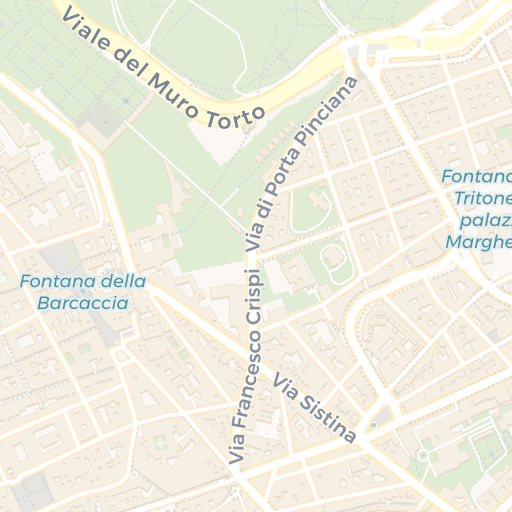
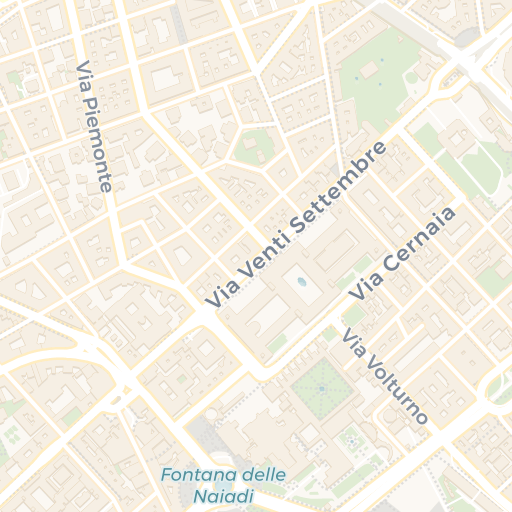
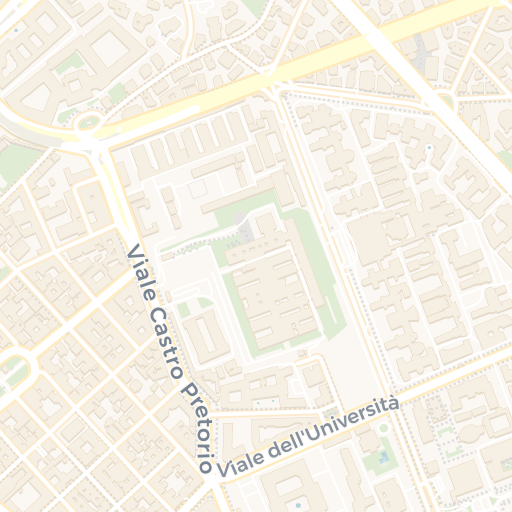
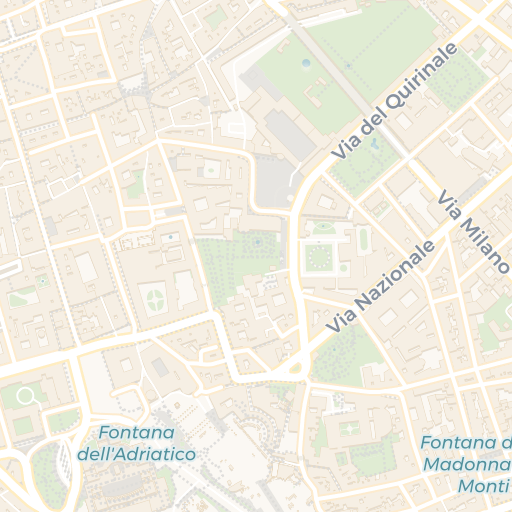
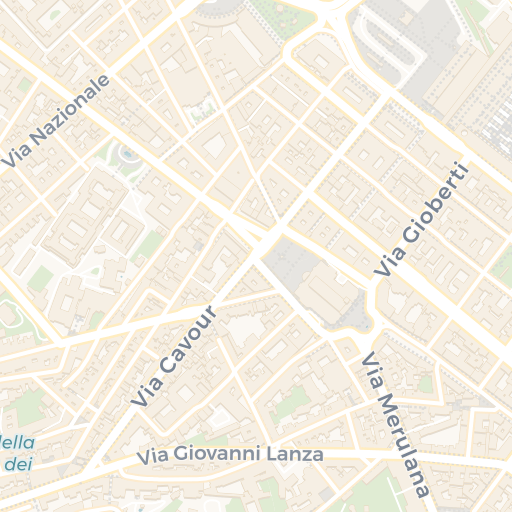
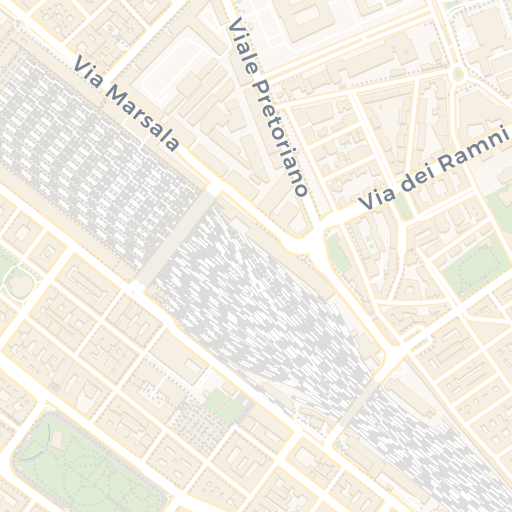
Get directions Open in Apple Maps
© OpenStreetMap contributors · © CARTO · 41.9035, 12.4976
Plan your visit
Admission: Free · NO ADMISSION IS CHARGED. Neither the basilica nor Turismo Roma publishes a price.
Prices verified October 2026
Best viewpoint: Standing on the meridian line itself and looking up into the cross-vaults — the one spot where an eighteenth-century instrument, a sixteenth-century church and a fourth-century bath-house are all in view at once.
Opening hours
Every day, 08.00 to 20.00 — weekdays and holidays alike. The basilica publishes this itself, and it is the longest and simplest opening of anything in this batch: no seasonal shift, no midday break, no closed day.
Mass, and a disagreement about it
The parish's own timetable:
- Weekdays and Saturday: 18.30.
- Sunday: 09.00 in English, 10.30 in Italian, 12.00 in Italian, 17.00 in Spanish, 18.30 in Italian.
Turismo Roma says something different: it gives the weekday Mass at 18.00 and Saturday at 18.30, and omits the 09.00 English Mass altogether. The parish timetable is the fuller of the two and is the one to plan from, but the split is worth knowing if you are relying on a printed listing.
Sunday and holiday Italian Masses are accompanied by the monumental organ.
Admission
Free. Neither the basilica nor Turismo Roma publishes any price.
What is free
Everything, including the instrument. The meridian line, the Roman vaults, the granite monoliths and the altarpieces all cost nothing, twelve hours a day, every day of the year. For a building of this importance that is close to unique in Rome.
Next door, the Baths of Diocletian museum occupies the rest of the same complex and is ticketed — so the free church and the paid museum are two halves of one Roman building. The Piazza della Repubblica fountain outside costs nothing either.
How long
About 40 minutes. The hall is over ninety metres and the meridian is forty-five of them; this is a building you cover on foot rather than stand in.
Verified against Basilica di Santa Maria degli Angeli e dei Martiri, October 2026.
When to visit
Late morning, for the meridian. The sunlight disc crosses the bronze line around solar noon, and seeing it move is the best few minutes in the building. A bright day is required — the instrument does nothing under cloud.
Any day at all otherwise. 08.00 to 20.00, every day including holidays, which makes this the one reliable fallback on a Monday when half the Quirinal is shut.
Avoid the five Sunday Masses if you want to walk the floor: 09.00, 10.30, 12.00, 17.00 and 18.30. The 09.00 is in English and the 17.00 in Spanish, which is useful if you would rather attend than tour.
Summer afternoons are the practical argument for coming. The hall is Roman bath architecture with three-metre walls, and it is markedly cooler inside than on Piazza della Repubblica.