

Mausoleum of Cecilia Metella and the Castrum Caetani
Last updated on October 6, 2026Why visit Mausoleum of Cecilia Metella and the Castrum Caetani
The draw
A carved detail renamed an entire neighbourhood, and the name stuck. The ox skulls — bucrania — in the marble frieze round the top of the drum are the reason the locality took the name "Capo di Bove", which it still carries. You can stand in the road and read the thing that named it.
It is the symbol-monument of the Appia. 11 metres high, a tall cylinder faced in travertine on a powerful square base, at the third mile of the ancient road — and, the city says, a reduced echo of the Mausoleum of Augustus.
And it is also a castle. In the early 14th century the Caetani absorbed it into their fortification and made it the main tower. The crenellated residential half now holds the Museo dell'Appia, with statues, sarcophagi, inscriptions and reliefs taken from the funerary monuments along the road itself — so the collection and its setting come from the same few hundred metres.
The friction
- Last entry is 30 minutes before closing — half the hour allowed at the Villa dei Quintili up the road.
- Closed on Mondays and on 25 December.
- No price is published by the city, only a ticketing link.
- It is at the third mile of the Appia, which is a deliberate trip, and the road is unpleasant on a working weekday.
The tactic
Come on a holiday or a Sunday and walk to it. The Via Appia Antica is closed to traffic on giorni festivi, and the mausoleum sits at the third mile — the approach on foot is most of the point.
Read the frieze before you go in. The bucrania, the garlands of flowers and fruit, and the high relief with a trophy of arms and a barbarian prisoner with his hands tied behind his back are all on the outside, and all free to look at.
Then go into the castle, not just the tomb. The ticket covers the Castrum Caetani and the Museo dell'Appia inside its residential half — and the museum's contents came off this road.
Look up inside the drum. The burial chamber is conical, faced with brick, and open at the summit with an oculus.
Find San Nicola on the way out. The church of San Nicola a Capo di Bove was part of the Castrum and is the only testimony of Cistercian Gothic architecture here; its external structure with the apse survives.
Pair it with the Villa dei Quintili. Both are in the Parco Archeologico dell'Appia Antica, two miles apart on the same road.
Skip it if you:
- Arrive within half an hour of closing. You will not get in.
- Are travelling on a Monday. It is shut.
- Want only the view from the road. That part is free, and you can have it without the ticket.
Quick facts
- Type: Mausoleum, Monument, Roman, Historic Place
- Local name: Mausoleo di Cecilia Metella e Castrum Caetani (vedi la pagina italiana)
- Built: Built between <span class="timeline-date">30 BC</span> and <span class="timeline-date">10 BC</span>; castle from the <span class="timeline-date">early 14th century</span>
- Built by: Built for Cecilia Metella; fortified by the Caetani family
- Built for: The tomb of Cecilia Metella, daughter of the consul Quintus Caecilius Metellus
- Architectural style: Roman drum mausoleum faced in travertine, later the keep of a medieval castle
- A frieze renamed the neighbourhood: The ox skulls carved round the top gave the locality the name Capo di Bove, which it still carries.
- A Roman tomb became a castle keep: In the early 14th century the Caetani absorbed the mausoleum into their castle and made it the main tower.
Visit responsibly
It is a tomb, and it was emptied long ago. The burial chamber that held Cecilia survives as a brick-faced cone with an oculus; what it contained does not.
The museum's contents came off the road outside. The Museo dell'Appia holds statues, sarcophagi, inscriptions and reliefs from the rich funerary monuments that faced onto the via Appia — grave goods and grave markers, gathered in from a few hundred metres of roadside.
The travertine facing is the original surface. The slabs on the drum have been exposed since the age of Augustus, and the square base is already preserved only in part.
The castle is a ruin, not a viewing platform. The crenellated walls and mullioned windows of the Castrum Caetani stand open to the sky; they are medieval fabric holding up a modern museum.
Come on foot if you can. The Appia is a protected archaeological corridor, and the monument sits directly on it.
Where it is
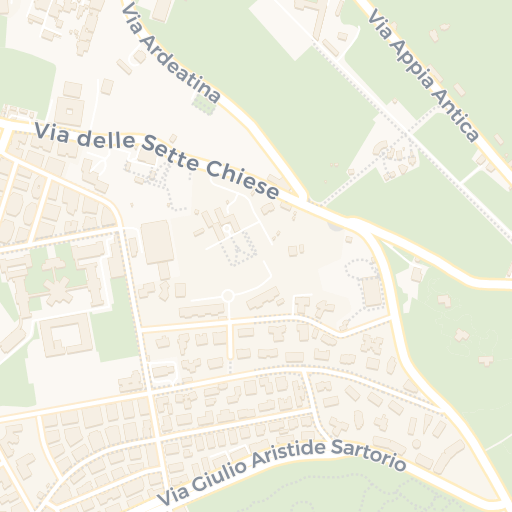
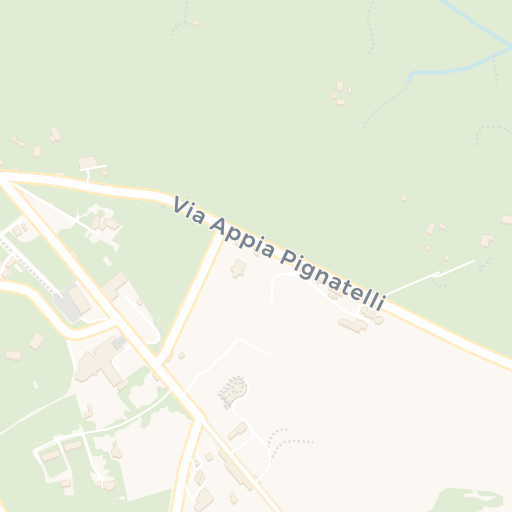
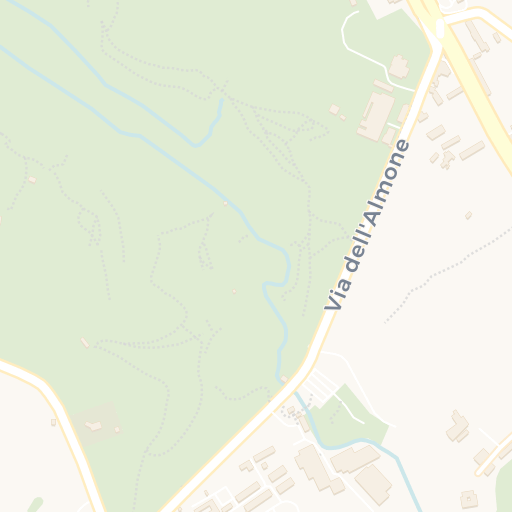
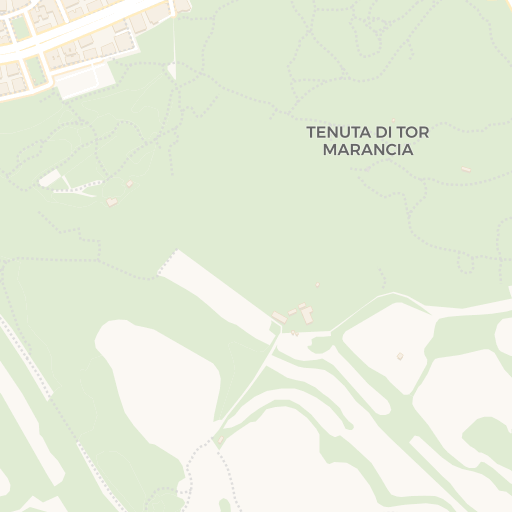
Get directions Open in Apple Maps
© OpenStreetMap contributors · © CARTO · 41.8521, 12.5207
Plan your visit
Tuesday to Sunday, in four seasonal bands
1–31 October: 9.00–18.30.
1 November to 28/29 February: 9.00–16.30.
1–31 March: 9.00–18.30.
1 April to 30 September: 9.00–19.15.
LAST ENTRY IS 30 MINUTES BEFORE CLOSING. Note the difference from the Villa dei Quintili two miles up the road, where it is a full hour. Closed on Monday and on 25 December.
No price is published
Turismo Roma gives a ticketing link on portale.museiitaliani.it and the managing site of the Parco Archeologico dell'Appia Antica, and no amount, so no figure is quoted here. Telephone 06 7886254, or the Parco on 06 4778 81; email pa-appia.ceciliametella@cultura.gov.it.
What the ticket covers
- The mausoleum and its conical burial chamber with the oculus.
- The Castrum Caetani, the castle that made it a keep.
- The Museo dell'Appia in the castle's residential half.
Where it is
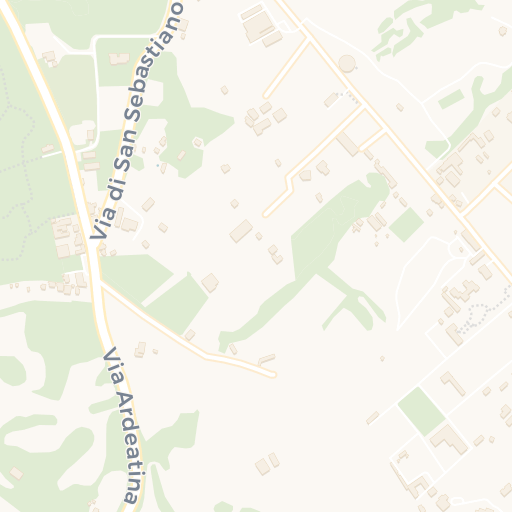
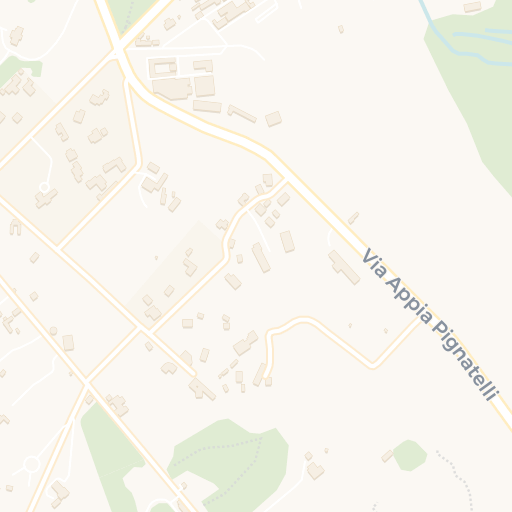
Via Appia Antica 161, at the third mile, a short distance from the complex of Maxentius.
Ticket & Pass Decision Matrix
| Option | Cost | What it gets you | Booking | Verdict |
|---|---|---|---|---|
| Looking at it from the road | Free | The drum, the travertine, the bucrania frieze, the trophy relief, the crenellations | None | More than people expect. Everything carved is on the outside. |
| A ticketed visit | Not published by the city | The burial chamber, the Castrum Caetani and the Museo dell'Appia | Via portale.museiitaliani.it | The full visit, and the museum's contents came off this road. |
| Arriving late | — | Possibly nothing. Last entry is 30 minutes before closing. | — | Check the seasonal band for your date before setting out. |
| Monday or 25 December | — | Nothing. Closed. | — | The road itself is still there and free. |
| With the Villa dei Quintili | Separate | Two sites of the Parco Archeologico dell'Appia Antica | Same portal | The natural pair — but mind the different last-entry rules. |
Verified against Turismo Roma, October 2026.
When to visit
A holiday or a Sunday, so you can walk to it. The Via Appia Antica is closed to traffic on giorni festivi, and this stands at the third mile — the approach is half the experience.
Well before closing, whichever season. Last entry is 30 minutes before, and closing moves between 16.30 in winter and 19.15 in high summer.
Not Monday, not 25 December. Those are the published closures.
Low sun for the frieze. The bucrania and the garlands are shallow marble relief at the top of an 11-metre drum; flat midday light loses them entirely.
Spring and autumn for the walk. This is open country on the Appia, and the stretch from the Mausoleum outward is where the original basalt paving runs.