

Galleria Spada
Last updated on October 4, 2026Why visit Galleria Spada
The draw
There is a colonnade in the courtyard that is not the length it appears to be, and standing on its axis is one of the strangest few seconds in Rome. Borromini built it in 1653, helped with the mathematics by the Augustinian father Giovanni Maria da Bitonto: the columns shrink, the floor rises, the vault drops, and an arcade of about eight metres reads as a gallery of thirty-seven, with a warrior at the end who looks life-size and is, according to Wikipedia, sixty centimetres high. Attached to it is a four-room picture gallery hung the way a seventeenth-century cardinal hung pictures — frame against frame, floor to ceiling — which is now rarer than any single painting in it.
The friction
It is small, and it closes on Tuesday. An hour covers everything. The Tuesday closure is the real trap: nearly every other state museum in Rome shuts on Monday, so the day you have set aside for galleries is the day this one is open and the day after is the one it is not.
The tactic
Go to the courtyard first and stand on the axis before you do anything else, because once you have seen the colonnade from an angle you cannot unsee the trick. Then the four rooms, which take about forty minutes. It is a few minutes' walk from Campo de' Fiori, costs EUR 6, and is free on the first Sunday of the month.
Skip it if you:
- Are here on a Tuesday. Closed — the one Roman state gallery that is.
- Want a big collection. Four rooms. An hour. It is a cabinet, not a museum.
- Are hoping to walk down the colonnade. You look at it from the courtyard; entering is not part of the visit.
- Arrive after 19.00. The ticket office shuts half an hour before the gallery does.
- Have no interest in seventeenth-century painting. Then you are coming for one courtyard view, and should price the ticket accordingly.
Quick facts
- Type: Museum, Palace, Historic Place
- Local name: Galleria Spada (vedi la pagina italiana)
- Visitor access: Open to visitors
- Reservation: Not required — tickets on the door
- Typical visit: About 1 hour
- Built: Palace begun <time datetime="1540">1540</time>; the perspective built <time datetime="1653">1653</time>
- Built for: A cardinal's palace and picture collection; the colonnade as an optical conceit
- Architectural style: Roman Renaissance palace by Bartolomeo Baronino; Baroque forced perspective by Francesco Borromini
- A mathematician did the geometry: Borromini was helped with the scientific and mathematical calculations by the Augustinian father Giovanni Maria da Bitonto.
- It shuts on Tuesday, not Monday: The opposite of almost every other state museum in Rome.
Visit responsibly
Do not walk into the colonnade. It is viewed from the courtyard end; entering it both breaks the illusion for everyone else waiting and puts you inside a seventeenth-century structure built to deceive rather than to carry traffic.
Take your turn on the axis. The effect only exists from one position, so the courteous thing in a small courtyard is to look, photograph, and step aside.
It is a working government building. The Council of State occupies the rest of Palazzo Spada; the gallery and courtyard are the visitable part and the signage marks where that ends.
Where it is
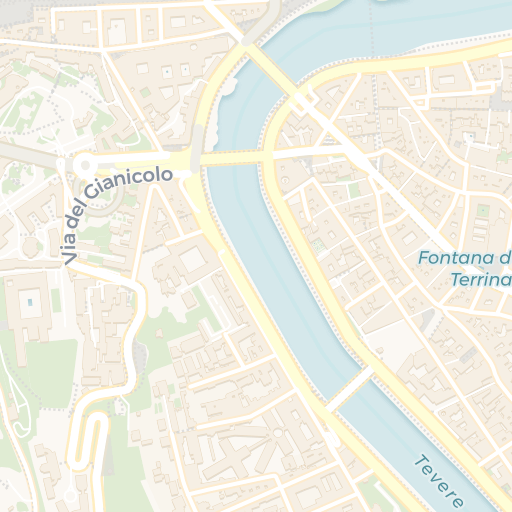
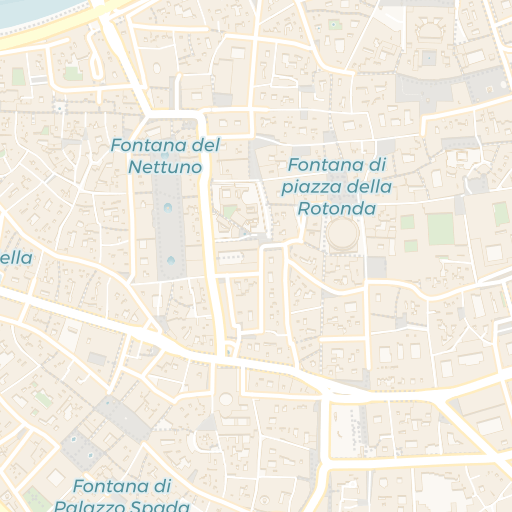
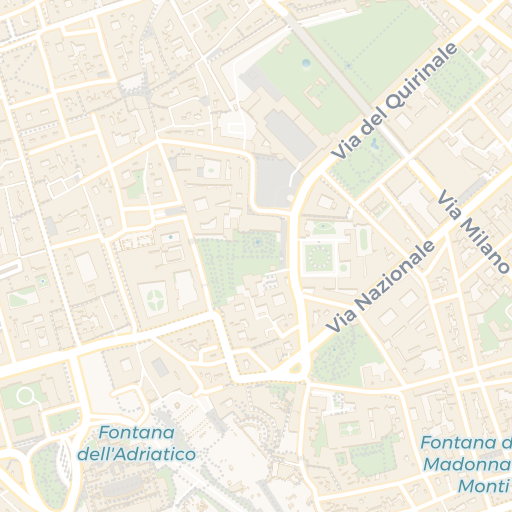
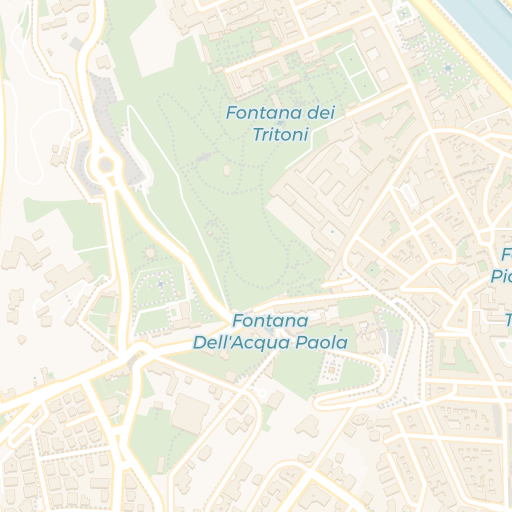
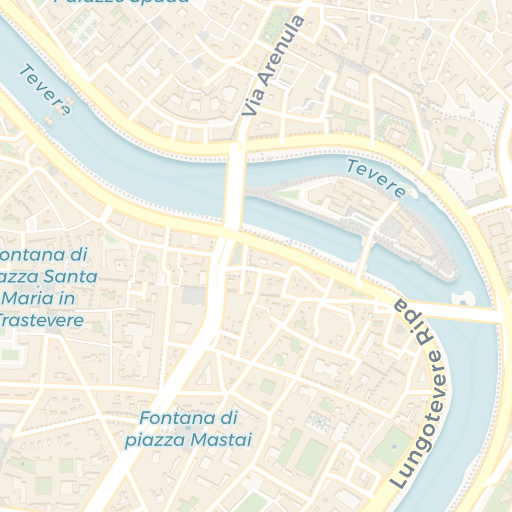
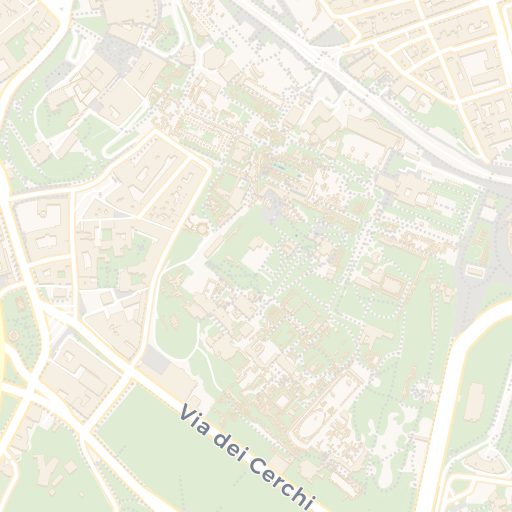
Get directions Open in Apple Maps
© OpenStreetMap contributors · © CARTO · 41.8942, 12.4719
Plan your visit
Best viewpoint: Standing on the courtyard axis at the mouth of the colonnade, which is the one spot the illusion is built for — step to either side and the whole thing collapses into what it really is.
Opening hours
08.30-19.30. CLOSED TUESDAYS.
That is worth repeating, because it is the opposite of the Roman norm: most state museums here close on Monday. Galleria Spada is open on Mondays and shut on Tuesdays.
The ticket office closes at 19.00, half an hour before the gallery does.
Tickets
EUR 6 full, EUR 2 reduced. Free on the first Sunday of each month.
Booking
Individual visitors do not need to reserve. Booking is obligatory for groups of more than six; schools and groups book through galleriaspada@artem.org or +39 06 68 32 409.
What you can see
The four gallery rooms and the courtyard with Borromini's colonnade. Palazzo Spada also houses the Council of State, so the rest of the building is not open to visitors.
How long
About an hour: forty minutes for the four rooms and as long as you like standing on the axis of the colonnade.
What is free
The courtyard is not. This is worth being exact about, because the colonnade is visible from inside the palace courtyard and people assume a palace courtyard is public space: the perspective is part of the ticketed visit. What is free is the first Sunday of each month, when the whole gallery is, and the street facade on Piazza Capo di Ferro, which is a genuinely good piece of sixteenth-century stucco in its own right.
Ticket & Pass Decision Matrix
| Option | Cost | What it gets you | Queue and booking | Verdict |
|---|---|---|---|---|
| Standard entry | EUR 6.00 / EUR 2.00 reduced | The four rooms and the courtyard with Borromini's colonnade | No reservation needed for individuals | The default, and cheap for what it is. |
| First Sunday of the month | EUR 0 | Identical | Busiest day of the month, in a very small gallery | Free, but the colonnade works from one spot and that spot will have a queue. |
| Groups of more than six | As standard | Identical | Booking obligatory — galleriaspada@artem.org or +39 06 68 32 409 | Not optional. Six is the threshold. |
| Roma Pass | Not published by the gallery | — | — | The gallery publishes no Roma Pass arrangement, so none is claimed here. Ask at the desk. |
| Reseller or skip-the-line ticket | Above EUR 6.00 | Identical | — | Avoid. A EUR 6 ticket with no queue is the worst possible thing to pay a markup on. |
At the gate: the gallery runs to 19.30 but the ticket office closes at 19.00, so the last half hour belongs to people already inside. Closed Tuesdays.
Verified against Galleria Spada, October 2026.
When to visit
Any day but Tuesday. This is the one Roman gallery where that sentence is the practical advice, because the Monday closure that applies almost everywhere else does not apply here.
Middle of the day for the colonnade. It is a roofed arcade opening off an enclosed courtyard, and the illusion depends on seeing the far end clearly; the light reaching the end of the arcade is best when the sun is high. Early morning and the last hour leave it dim.
The first Sunday of the month is free and therefore busier, which matters more here than at a large museum: the colonnade works from one spot, and a queue for that spot changes the experience.