

Forum Boarium
Last updated on October 6, 2026Why visit Forum Boarium
The draw
Rome's own tourist board says the city starts here. Its teaser for the Foro Boario is simply that according to legend, the history of Rome begins precisely from here — this is where Hercules, robbed of the oxen of Geryon by the giant Cacus, killed him and was honoured as a god by the Arcadians, who raised him the Ara Maxima.
And that altar is still here, in a church. The tufa core of the Ara Maxima is preserved inside Santa Maria in Cosmedin — the same church as the Bocca della Verità. The queue outside it is a few metres from the oldest cult site in the story of Rome.
Two republican temples stand together in the open. The rectangular one to Portunus, god of the river, and the round one to Hercules Victor: nowhere else in the city can you see two republican temples side by side on grass.
The sewer that made the place possible is visible. The Cloaca Maxima, built by the Etruscan kings in the 6th century BC to drain the marsh of the Velabro, still shows the remains of its arches.
The friction
- It is a traffic island as much as a site. The area sits in the modern street grid, and the roads around it are busy.
- The temples cannot normally be entered. They are read from outside, through railings.
- The Ara Maxima is inside a church, on that church's terms, not the site's.
- There is no site, as such. The city publishes no hours, no ticket and no entrance — the monuments are scattered across a few hundred metres.
The tactic
Treat it as a walk, not a visit. Nothing here is ticketed and nothing opens. The sequence that works is the two temples, then the Arco degli Argentari, then the four-fronted Janus, then into Santa Maria in Cosmedin for the Ara Maxima.
Go into the church for the altar, not only the mouth. Almost everyone comes to Santa Maria in Cosmedin for the Bocca della Verità; the tufa core of the Ara Maxima is the reason the church is where it is.
Find the Cloaca's arches. They are the 6th-century BC drainage that turned the Velabro marsh into usable ground — the oldest engineering on the site and the reason the rest exists.
Date the arches as you pass them. The Arco degli Argentari is Severan, 204 AD; the four-fronted Janus is probably of the time of Constantius II, 337-361 AD. A century and a half apart, and it shows.
Come early. This is free, open and roadside — the only variable is traffic and light.
Skip it if you:
- Want to go inside the temples. You cannot.
- Dislike reading monuments across traffic. That is most of what this is.
- Are collecting ticketed sites. There is no ticket here at all.
Quick facts
- Type: Ruins, Roman, Historic Place, Temple
- Local name: Foro Boario (vedi la pagina italiana)
- Built: Drained in the <span class="timeline-date">6th century BC</span>; temples of the <span class="timeline-date">republican age</span>
- Built by: Drained by the Etruscan kings; the Porto Tiberino attributed to Servius Tullius
- Built for: The cattle market of Rome, between the Tiber, the Capitol, the Palatine and the Aventine
- Architectural style: Republican temples, imperial arches and the arcades of the Cloaca Maxima
- The altar to Hercules is inside a church: The tufa core of the Ara Maxima, raised where Hercules killed Cacus, is preserved inside Santa Maria in Cosmedin.
- It was a marsh before it was a market: The Velabro swamp was drained by the Etruscan kings in the 6th century BC with the Cloaca Maxima, whose arches are still visible.
Visit responsibly
This is the oldest continuously told story in the city. The Ara Maxima was dedicated to Hercules by the Arcadians, the ancient inhabitants of the Palatine, and its tufa core is still inside Santa Maria in Cosmedin — an active church, not an exhibit.
The temples are unenclosed republican fabric. Both stand on open ground behind railings, and they are among the oldest standing temples in Rome; the railings are the whole of their protection.
The Cloaca Maxima is still infrastructure. The arches still visible belong to a 6th-century BC drainage work, not to a monument put there to be looked at.
The Arco degli Argentari is built into a church. Reading it means standing against somebody's wall.
Nothing here is ticketed, which makes the courtesy yours. There are no staff, no barriers beyond the railings and no closing time — the condition of the site depends entirely on how visitors treat it.
Where it is
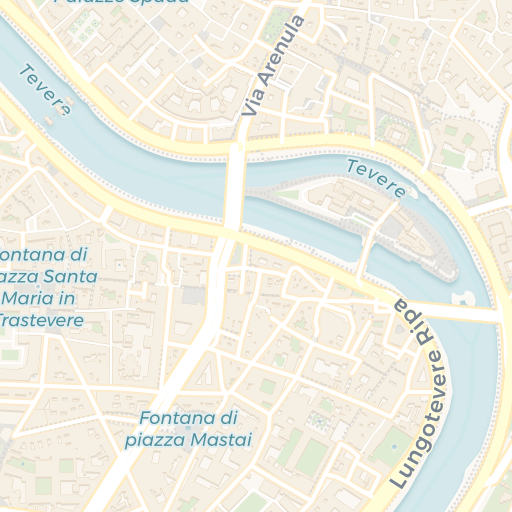
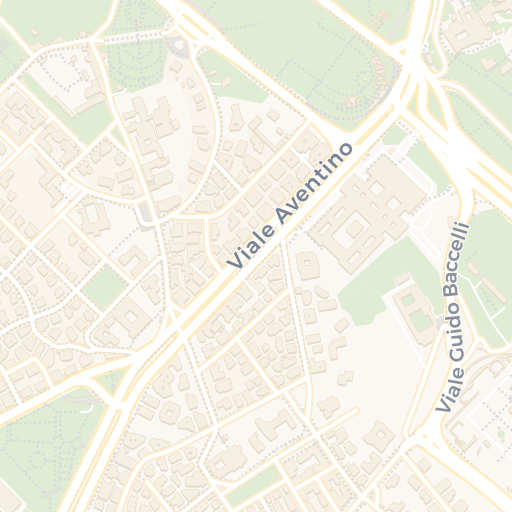
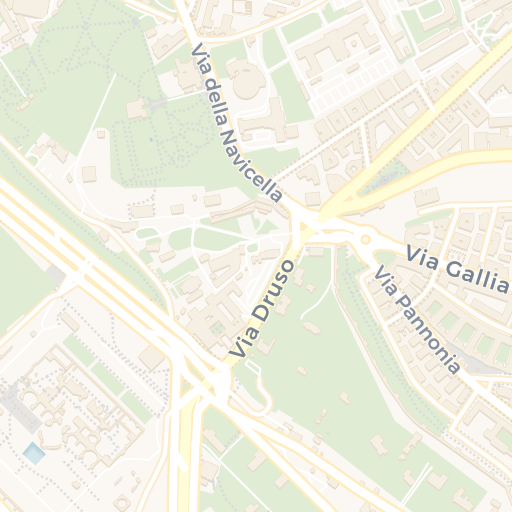
Get directions Open in Apple Maps
© OpenStreetMap contributors · © CARTO · 41.8889, 12.4811
Plan your visit
There is nothing to open and nothing to pay
Turismo Roma publishes no opening hours, no admission price and no ticket link for the Foro Boario. That absence is the operational fact: the area lies between the Tiber, the Capitol, the Palatine and the Aventine, in the open, and its monuments are read from the public space around them.
The one part that has its own rules
The Ara Maxima — the altar the Arcadians dedicated to Hercules — survives as its tufa core inside the church of Santa Maria in Cosmedin, which is the same church as the Bocca della Verità. Seeing it means going into that church, on the church's terms.
What is where
- Temple of Hercules Victor — round, republican, in the open.
- Temple of Portunus — rectangular, older, a hundred metres away.
- Cloaca Maxima — the remains of the arches are still visible at the river.
- Arco degli Argentari — Severan, 204 AD.
- Four-fronted Janus — probably Constantius II, 337-361 AD.
- Ara Maxima — inside Santa Maria in Cosmedin.
Ticket & Pass Decision Matrix
| Option | Cost | What it gets you | Booking | Verdict |
|---|---|---|---|---|
| Walking the area | Free | Both republican temples, both arches, the Cloaca Maxima arches | None | The whole visit. Nothing here is ticketed. |
| Going into Santa Maria in Cosmedin | Per that church | The tufa core of the Ara Maxima — and the Bocca della Verità | Per that church | The piece most visitors miss while queueing for the mouth. |
| Entering the temples | — | Nothing published. They are read from outside. | — | Do not plan on it. |
| Early morning | Free | The same monuments with less traffic and better light | None | The only variable you control here. |
Verified against Turismo Roma, October 2026.
When to visit
Any time — nothing opens or closes. The city publishes no hours and no price, because the Foro Boario is open ground in the street grid.
Early morning, for the traffic and the light. The monuments sit among busy roads, and the round temple's columns read best when the sun is low and across them.
Mind the church's own hours for the Ara Maxima. The altar's tufa core is inside Santa Maria in Cosmedin, so that part of the visit follows the church, not the site.
Spring and autumn for the lawns. Both temples stand on grass under umbrella pines; in high summer the open ground is unshaded.
Allow three quarters of an hour. Two temples, two arches, the Cloaca arches and a church are spread over a few hundred metres — longer than the single-monument look most people give it.