

Taj Mahal
Last updated on August 14, 2026Overview
As you approach the Taj Mahal, your eyes are drawn up to its incredible white marble dome, rising in the center and flanked on each side by smaller domes and slender white minarets. Commissioned in 1632 by the Mughal Emperor Shah Jahan as a mausoleum for his wife Mumtaz Mahal, it remains India's most recognized monument and a UNESCO World Heritage Site.
Quick Facts
- Type: Famous Wonder, Building, Monument, Sacred Place, Historic Place, Mausoleum
- Visitor access: Open to visitors
- Admission: ₹1100
- Built: From 1632 to 1653
- Built for: Mumtaz Mahal empress
- Designed by: Ustad Ahmad Lahauri (architect)
- Architectural style: Mughal Indo-islamic
- Height: 73 m
- UNESCO World Heritage Site: Yes
Visit Responsibly
Air pollution and industrial haze from the surrounding region visibly yellowed the Taj Mahal's white marble over the 20th century, prompting India to designate a protected "Taj Trapezium Zone" restricting polluting industry and vehicle traffic near the site -- a reminder that the building's preservation is an ongoing, active effort, not a settled fact.
Crowds concentrate heavily around sunrise, the most popular time to visit -- arriving right at the 6 AM opening, or visiting later in the day during less popular hours, both offer a genuinely different, calmer experience than the peak early-morning rush most visitors default to.
Buying tickets through the official channel (online or at the gate) rather than an unofficial reseller, and using licensed guides available on-site, keeps ticket revenue directly funding the site's own upkeep.
Where it is
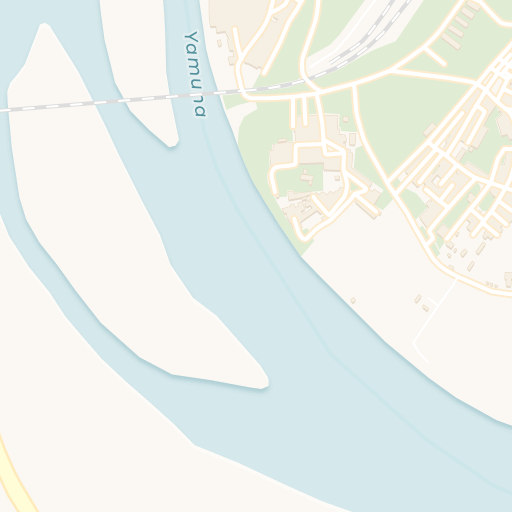
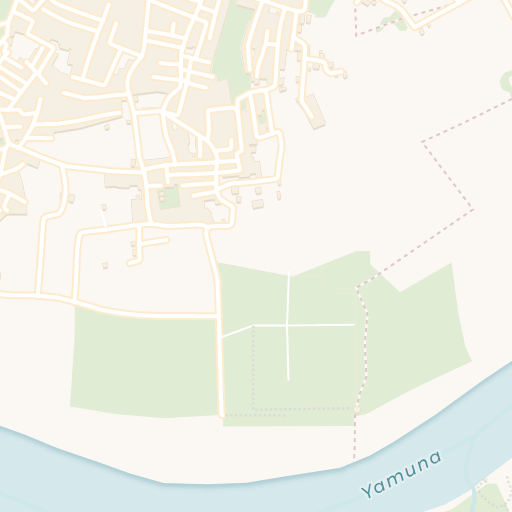
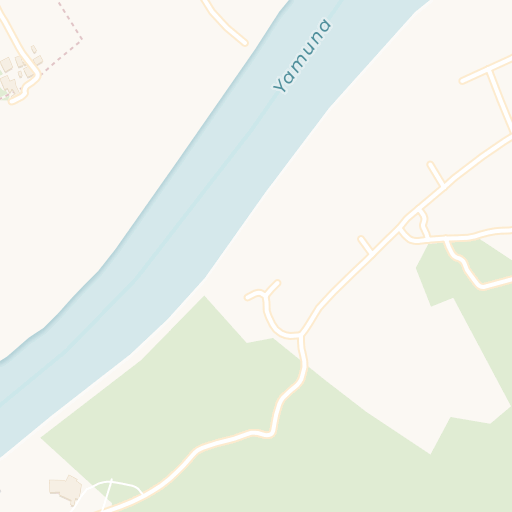

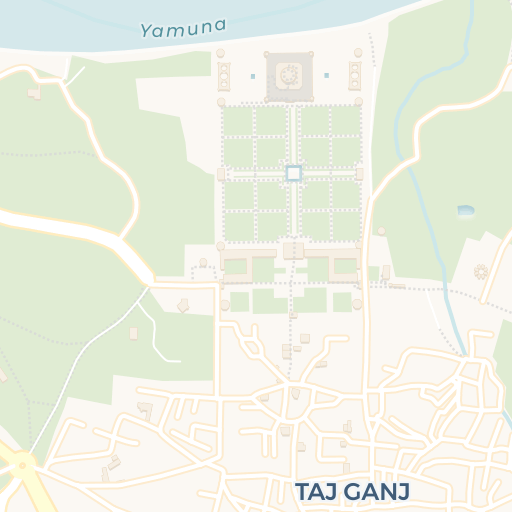
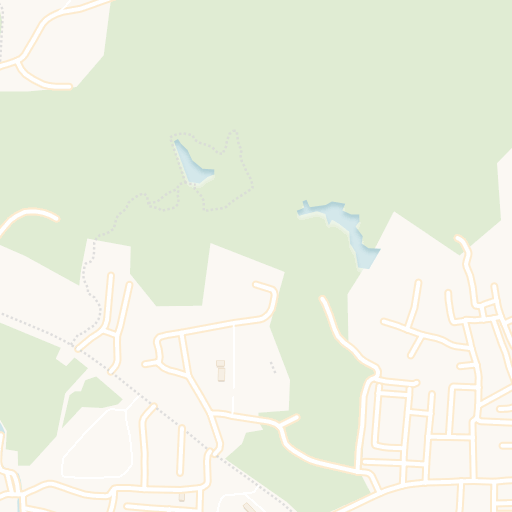
Get directions Open in Apple Maps
© OpenStreetMap contributors · © CARTO · 27.175, 78.0419
Plan Your Visit
Admission: ₹1100 · Foreign-visitor entrance fee

When to go
The Taj Mahal is a highly touristic place. You will, unfortunately, need to decide on whether you prefer to escape the crowds and visit during the intense summer heat and possible pouring rain season, or simply get in line and enjoy the Taj Mahal during the more comfortable winter seasons.
The site is open from sunrise to sunset from Saturday to Thursday and is closed on Fridays for prayer time. Going early at sunrise is usually more rewarding for its natural lighting but it is still better to arrive 30 minutes before the gates opening at 6 am because even at that early time, there could be a crowd building up.
On full moon evenings, the site also offers some beautiful night tours so you may also want to plan your visit to the region around that period of the month. If you would like that, be sure to verify your dates with the Taj Mahal official website.
Where to stay the day before
Since Agra is at about 200 km (125 miles) of the main cities of Jaipur and New Delhi, it is usually preferred to find a hotel or place to stay in or around Agra the day before.
The distance can be covered by train (around 20$), car (UBER/taxi - around 40usd). Flying could even apparently be a low-cost option if your starting point is Jaipur.
Entrance to the Taj Mahal
You can buy directly tickets at the Taj Mahal or online. The price should be around 15 to 20 USD for foreigners. For the evening fares, on full-moon days, they are usually at about a 30% discount.
You can expect some waiting time if you buy on-site. Make sure to have some cash in handy in case they can't process cards on the day you go.
It could be a good idea to visit other Agra attractions, like the Agra Fort as entrances at these places often come with rebates to visit the Taj Mahal after.