

Great Wall of China
Last updated on October 6, 2026Overview
The Great Wall of China is not a single continuous structure but a network of walls, forts, and watchtowers built and rebuilt over more than two thousand years, stretching across northern China's mountains, deserts, and grasslands. Most of what visitors see and walk today dates from the Ming dynasty (1368-1644), the wall's last and most extensive rebuilding.
One popular claim about the wall is worth correcting: it is not actually visible to the naked eye from space, despite how often that's repeated -- multiple astronauts, including China's own Yang Liwei, have confirmed as much directly. What the wall lacks in space-visibility it makes up for on the ground, where its scale is still genuinely difficult to grasp in person.
Quick facts
- Type: Famous Wonder, Monument, Historic Place
- Visitor access: Open to visitors
- Built: 7th century BC (earliest walls); 1368-1644 AD (major Ming dynasty reconstruction)
- Size: 6350 km (3,948 miles) long
- UNESCO World Heritage Site: Yes
Visit responsibly
Badaling's crowds, especially on weekends and Chinese public holidays, can make the most accessible section feel more like a queue than a hike -- Mutianyu, Jinshanling, or Simatai offer a genuinely different, quieter experience for a similar day-trip distance from Beijing.
Large stretches of the wall beyond the restored, ticketed sections are actively crumbling and officially closed to visitors -- walking on unrestored "wild wall" is both a real safety risk (unstable footing, no railings) and directly accelerates the erosion already threatening those sections, so staying within maintained, open areas matters for the site's preservation, not just visitor safety.
Vendors and performers along the more touristed sections are frequently local residents supplementing their income directly -- a fair, agreed-upon price for a purchase or a photo goes further as direct local support than the same amount spent through a large tour operator.
Where it is
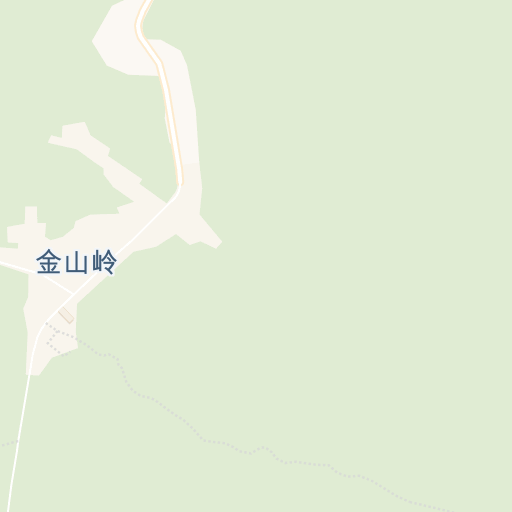

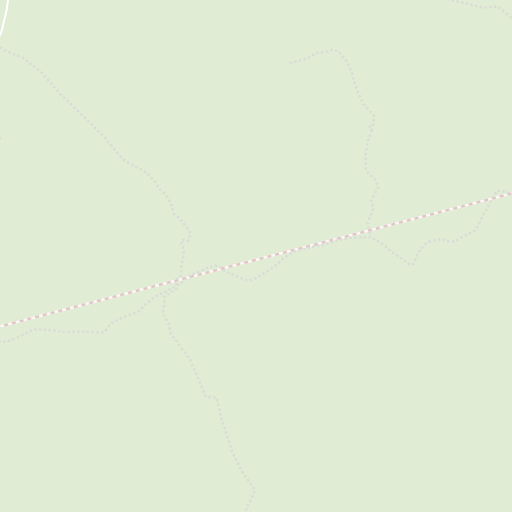
Get directions Open in Apple Maps
© OpenStreetMap contributors · © CARTO · 40.6769, 117.2319
Plan your visit
Most visitors reach the wall on a day trip from Beijing, since the closest and most-visited sections sit roughly 1-2 hours from the city by car, bus, or organized tour.
Badaling, the most heavily restored and accessible section, is also by far the most crowded -- expect large crowds year-round, especially on weekends and Chinese public holidays.

The stairs are steep, uneven, and often high underfoot -- pace yourself on the way up, and take particular care on the way down, since that's when most visitors find the steep sections genuinely demanding.
Unrestored "wild wall" sections exist beyond the maintained, ticketed areas -- these are unsafe to walk (crumbling stone, no railings) and are officially off-limits in many areas, however tempting a quieter, ruined stretch of wall might look.