

Corcovado & Christ The Redeemer Statue
Last updated on October 7, 2026Overview
'Corcovado' means "hunchback" in Portuguese, a fitting name for the steep granite peak that rises 710 meters above central Rio de Janeiro and is visible from much of the city below.

Atop the peak stands the 38-meter Christ the Redeemer statue (Cristo Redentor), arms outstretched over the city -- one of the most recognized images of Rio and Brazil as a whole. At its base, an observation deck looks out over Ipanema and Copacabana beaches, Sugar Loaf Mountain, the Lagoa Rodrigo de Freitas, and downtown Rio.
The statue itself weighs more than a thousand metric tons and is covered in a mosaic of soapstone tiles. Brazilian engineer Heitor da Silva Costa led its construction, while French sculptor Paul Landowski shaped its head and hands. Originally intended for Brazil's independence centennial in 1922, the statue wasn't completed until 1931.
Corcovado sits within Tijuca National Park, one of the world's largest urban forests, home to birdlife and wildlife including the rarely seen boa constrictor, along with dozens of waterfalls and century-old trees. A hiking trail climbs to the statue via Parque Lage in the Jardim Botânico neighborhood, and the mountain's sheer south face separately draws rock climbers to more than 50 established routes.
Quick facts
- Type: Famous Wonder, Monument, Statue
- Visitor access: Open to visitors
- Admission: R$75–R$100
- Built: 1922-1931
- Designed by: Heitor da Silva Costa (engineer); Paul Landowski (sculptor)
- UNESCO World Heritage Site: Yes
Visit responsibly
Corcovado's summit gets extremely crowded at midday, particularly when cruise ships are in port -- arriving early morning or in the late afternoon spreads out the pressure on both the train/van system and the observation deck itself.
Tijuca National Park surrounding the statue is a genuine, actively managed rainforest, not simply scenery -- staying on marked trails protects both visitors and the forest's wildlife, including species found nowhere else.
The statue remains a functioning religious site for many visitors, including a small chapel at its base -- maintaining a respectful volume and demeanor near the chapel, even amid heavy tourist traffic, is appreciated.
Where it is
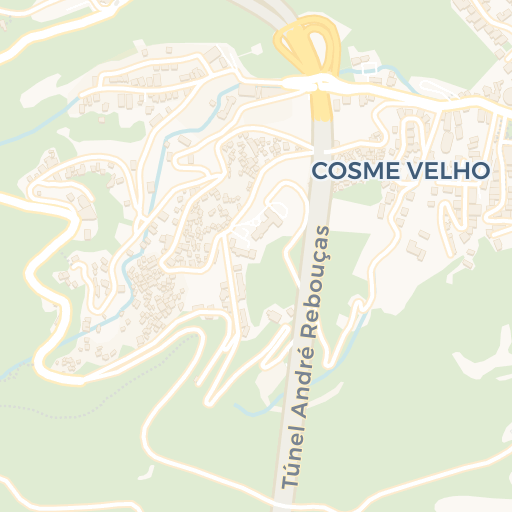
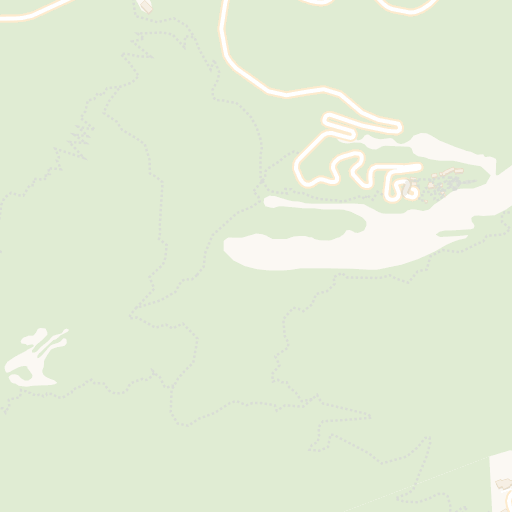
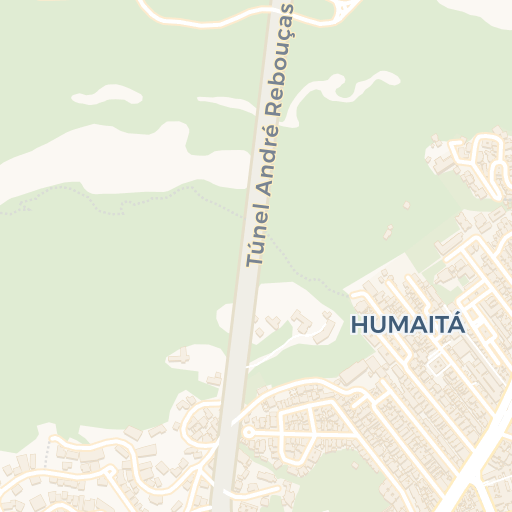
Get directions Open in Apple Maps
© OpenStreetMap contributors · © CARTO · -22.9519, -43.2106
Plan your visit
Admission: R$75–R$100 · Includes cogwheel train or van transport up the mountain
The Corcovado Rack Railway, which opened in 1884, is the traditional way to reach the peak -- trains depart roughly every 30 minutes from 8:30am to 6:30pm, climbing a notably steep angle of ascent with views over Leblon and Ipanema along the way.
Long queues are common at the base station, especially in peak season and around midday cruise-ship arrivals.
From the train station at the top, 220 steps lead up to the observation deck, though a panoramic elevator and escalator offer an alternative for visitors who prefer not to climb them.
When to visit
Clear-weather mornings offer the best visibility for the panoramic views from the summit, since cloud cover frequently rolls in over Corcovado by early-to-mid afternoon.
Weekday visits generally see smaller crowds than weekends, and arriving via the first available train departures avoids the longest queues.
The statue is lit at night, and an evening visit offers a genuinely different view of both the statue and the city lights below, though the train schedule limits how late a visit can run.