

Acropolis of Athens
Last updated on August 14, 2026Overview

Greece is home to several acropolises, or "high cities," but none carries the weight of history that the Acropolis of Athens does. Rising above the modern city on a rocky outcrop, it remains Greece's most recognizable archaeological site and the physical symbol of Classical Athens.
Quick Facts
- Type: Building, Site Complex, Monument, Ruins, Sacred Place, Historic Place
- Visitor access: Open to visitors
- Admission: €20
- Built: 13th century BC (fortress)<br> 6th century BC (place of worship) 5th century (main monuments)
- Built by: Pericles commissioned most of the well-known monuments of the Acropolis.
- Designed by: Phidias (sculptor), Ictinus and Callicrates (architects)
- Architectural style: Doric and Ionic
- Elevation: 150 m
- UNESCO inscription: 1987
- UNESCO World Heritage Site: Yes
Visit Responsibly
The Acropolis draws its heaviest crowds in the late morning through early afternoon during peak season (roughly May-September) -- visiting at opening time or in the last couple of hours before closing generally means smaller crowds and, in summer, meaningfully cooler conditions on a hill with almost no shade.
The marble surfaces and steps underfoot are the same ones that have carried visitors for centuries and are more fragile than they look -- sturdy, closed-toe shoes with real grip matter both for safety on worn, slippery stone and for reducing wear on the site itself, and roped-off areas exist for real conservation reasons, not just crowd control.
The Parthenon Marbles removed by Lord Elgin in the early 19th century remain a live, unresolved question between Greece and the British Museum -- visitors interested in the debate can see where the missing pieces belong at the Acropolis Museum, which displays plaster casts in their place pending any return.
Entrance fees fund the site's ongoing restoration directly, and the various free-admission dates exist specifically to widen access beyond visitors who can afford a ticket -- both worth knowing before assuming a "free day" visit is somehow a loophole rather than the intended policy.
Where it is
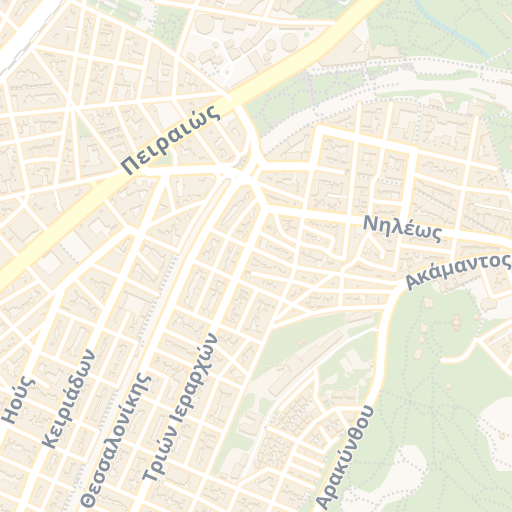
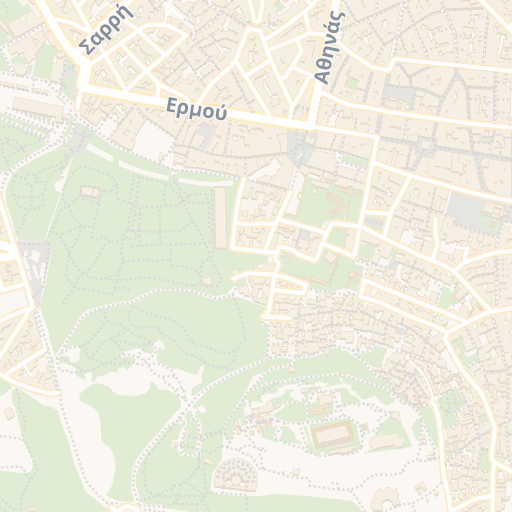
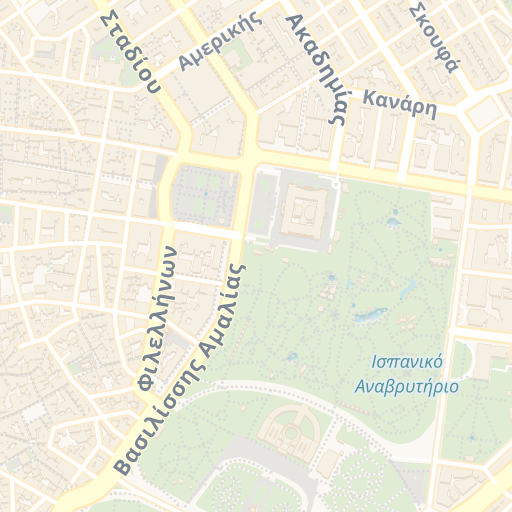
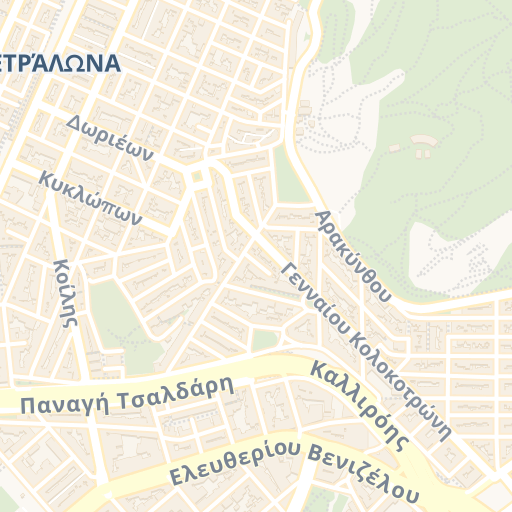
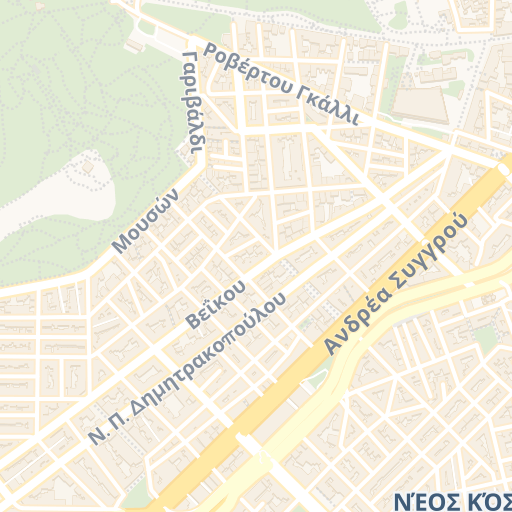
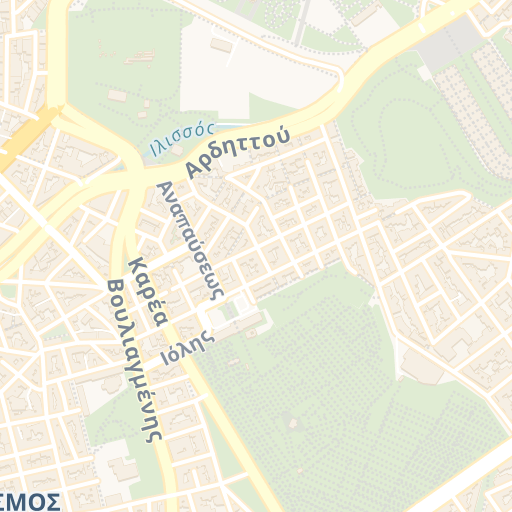
Get directions Open in Apple Maps
© OpenStreetMap contributors · © CARTO · 37.9714, 23.7262
Plan Your Visit
Admission: €20
The Acropolis is reachable only from the west, since cliffs border it on the other three sides. Visitors can walk up, take the metro to the Acropolis or Monastiraki stations, or arrive by car or taxi to the base of the Propylaea.
Tickets and admission
Single Acropolis ticket
- 20€, April 1-October 31
- 10€, November 1-March 31
Combination ticket
A 30€ year-round combination ticket is the more economical option for visiting two or more of the following sites within five days:
- The Acropolis
- Ancient Agora of Athens
- The Roman Agora
- The Temple of Olympian Zeus
- Lykeion Archaeological Site
- Hadrian's Library
- The School of Aristotle
- Archaeological Museum of Kerameikos
Free admission dates
- March 6th
- April 18th (International Monuments Day)
- May 18th (International Museums Day)
- Last weekend of September (European Heritage Days)
- October 28th
- First Sunday of November, December, January, February, and March
Visiting hours
The site is generally open 8:00 AM to 5:00 PM daily except official holidays, with last entry at 4:30 PM -- hours extend in peak summer months, so it's worth checking current times before visiting.
Accessibility
An elevator provides access to the main upper level of the archaeological site for visitors with reduced mobility, though not every part of the grounds or individual monuments is easily reachable by wheelchair.